


Bangladesh’s Cattle Feed Market Boom
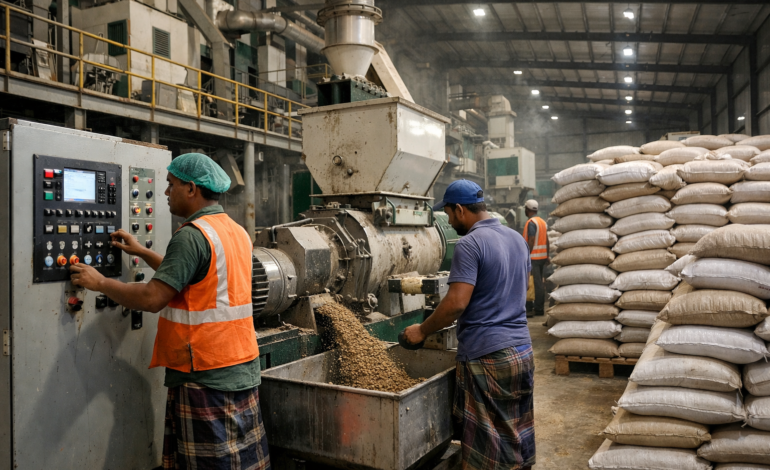

Bangladesh’s Cattle Feed Market Boom
The cattle feed market in Bangladesh is becoming one of the country’s fastest-growing agricultural industries, driven by rising demand for beef, milk, and commercial livestock farming. As Bangladesh’s cattle farming sector expands, the need for high-quality animal nutrition has increased significantly, creating a rapidly developing feed manufacturing industry worth billions of dollars.
Over the last two decades, Bangladesh has moved from largely traditional livestock feeding systems to a more organised commercial feed market. Local feed manufacturers now produce most of the country’s animal feed demand, while imports of soybean meal, corn, and other raw materials continue to rise to support the growing industry.
The cattle feed sector now plays a critical role in food security, dairy production, meat supply, and rural employment. However, despite strong growth, the industry also faces serious challenges, including high raw material costs, supply chain instability, climate pressures, and quality control concerns.
The Growing Importance of the Cattle Feed Industry
Bangladesh’s livestock industry has expanded rapidly due to increasing urbanisation, population growth, and rising consumer demand for protein-rich foods.
As more people consume:
- Beef
- Milk
- Dairy products
- Processed food products
Farmers are under pressure to increase livestock productivity. This has made scientifically formulated cattle feed increasingly important for commercial farms and small rural producers alike.
According to industry reports, Bangladesh’s feed market is now valued at around $2.5 billion annually, making it one of the country’s largest agro-based industries.
The industry supports the nutrition requirements of millions of livestock animals, including:
- Cattle
- Buffalo
- Goats
- Sheep
- Poultry
- Fish farms
While poultry feed still dominates the overall feed sector, cattle feed has become one of the fastest-growing segments due to the expansion of dairy and beef farming across Bangladesh.
Evolution of the Feed Market in Bangladesh
Bangladesh’s commercial feed industry began developing in the 1980s alongside the growth of poultry farming. However, major expansion started after 2000 when the livestock sector experienced increased investment and commercialisation.
Previously, most rural farmers depended on traditional feeding systems such as:
- Rice straw
- Grass
- Agricultural waste
- Homemade feed mixtures
Today, many commercial farms rely on formulated feed products designed to improve:
- Weight gain
- Milk production
- Animal health
- Disease resistance
- Reproductive performance
The shift toward commercial feed has been particularly visible in districts known for livestock production, including:
- Sirajganj
- Pabna
- Kushtia
- Rajshahi
- Rangpur
These areas have become major hubs for cattle fattening and dairy farming.
Local Feed Production Dominates the Industry
One of the most notable features of Bangladesh’s cattle feed market is its strong domestic production capacity.
Industry estimates suggest that local feed millers currently produce nearly 99% of the country’s feed demand.
Bangladesh now has hundreds of feed mills ranging from:
- Small local manufacturers
- Medium-sized agro-processing companies
- Large corporate feed producers
Many companies are investing heavily in:
- Automated production systems
- Quality testing
- Modern milling technology
- Research and development
This growth has reduced dependence on imported finished feed products, although Bangladesh still imports large quantities of feed ingredients.
Rising Imports of Raw Materials
Despite strong local production, Bangladesh remains highly dependent on imported raw materials for feed manufacturing.
Key imported ingredients include:
- Soybean meal
- Corn
- Wheat bran
- Protein concentrates
- Feed additives
Soybean meal is particularly important because it provides protein necessary for cattle growth and milk production.
As demand for animal feed rises, Bangladesh has increased imports from countries such as:
- Brazil
- Argentina
- India
- United States
Industry experts warn that global supply disruptions and rising international commodity prices can strongly affect the local feed market.
This dependence on imports creates vulnerability for feed manufacturers and livestock farmers alike.
Commercial Dairy and Beef Farming Driving Demand
The expansion of commercial cattle farming is one of the biggest drivers behind Bangladesh’s growing feed market.
Modern farms increasingly use:
- Balanced nutrition systems
- Growth supplements
- High-protein feed
- Scientific feeding schedules
Farmers now understand that better feed quality directly affects:
- Milk output
- Meat production
- Animal health
- Farm profitability
The rapid growth of Eid-ul-Azha cattle fattening businesses has also increased feed demand significantly. Every year, thousands of farmers buy calves months before Eid and use concentrated feed to increase body weight before sale.
This seasonal market creates huge demand spikes for feed manufacturers.
Challenges Facing the Cattle Feed Market
Despite rapid expansion, Bangladesh’s cattle feed sector faces several major obstacles.
Rising Raw Material Prices
The biggest challenge remains the rising cost of feed ingredients.
Global inflation, supply chain disruptions, shipping costs, and currency fluctuations have pushed up prices of:
- Soybeans
- Corn
- Wheat
- Oilseed products
Higher feed costs directly increase livestock production expenses, reducing profit margins for farmers.
Recent industry reports noted that fluctuating raw material prices are one of the biggest threats to long-term market stability.
Quality Control Problems
Quality inconsistency remains another major concern.
Some smaller or unregulated producers have faced accusations involving:
- Adulterated feed
- Low-quality ingredients
- Inaccurate nutritional claims
- Counterfeit products
Industry experts say stronger regulation and monitoring are needed to improve feed quality standards nationwide.
Poor-quality feed can negatively affect:
- Animal growth
- Disease resistance
- Milk production
- Consumer confidence
Storage and Supply Chain Limitations
Bangladesh also struggles with limited storage infrastructure for feed ingredients.
High humidity and seasonal flooding can damage stored feed materials, causing:
- Spoilage
- Fungus growth
- Nutritional loss
Transport and logistics problems also increase operational costs for manufacturers and distributors.
Climate Change Pressures
Climate-related challenges are becoming increasingly important.
Extreme heat, floods, and irregular weather patterns affect:
- Crop production
- Feed ingredient availability
- Livestock health
Global agricultural reports increasingly warn that climate stress could create future supply shortages in feed markets worldwide.
Government Policies and Industry Support
The Bangladesh government has introduced several initiatives aimed at improving livestock productivity and supporting modern farming practices.
These efforts include:
- Livestock vaccination programmes
- Artificial insemination projects
- Feed quality regulations
- Research into improved cattle breeds
- Support for commercial farming
Government policy also encourages the adoption of modern feed technologies to improve animal nutrition and farm productivity.
However, industry experts believe more investment is needed in:
- Research and development
- Cold-chain systems
- Feed testing laboratories
- Farmer training programmes
Bangladesh’s Feed Industry
Bangladesh’s feed industry reflects broader global agricultural trends.
Across developing economies, increasing incomes and urbanisation are driving higher demand for meat and dairy products. Countries are responding by expanding livestock farming and investing heavily in feed production.
Bangladesh is following a similar path seen in:
- Vietnam
- Indonesia
- India
- Pakistan
The country’s experience also highlights the growing global importance of food supply chains and agricultural resilience.
Online agricultural discussions often point to feed cost inflation as one of the biggest issues affecting livestock farming worldwide. Farmers internationally continue to face rising operational costs linked to raw materials and transportation.
Future Outlook of the Cattle Feed Market
The future of Bangladesh’s cattle feed market remains highly promising.
Several factors are expected to drive long-term growth:
- Expanding middle class
- Rising meat consumption
- Growth of dairy farming
- Increasing commercial livestock operations
- Greater use of scientific feeding systems
Industry analysts believe the market could grow significantly over the next decade if Bangladesh improves:
- Feed ingredient supply chains
- Quality standards
- Storage infrastructure
- Research capacity
- Farmer education
Digital agriculture may also reshape the sector through:
- Smart feeding technologies
- Online feed sales
- Livestock monitoring systems
- Data-driven farm management
Looking Ahead
Bangladesh’s cattle feed market has become a vital part of the country’s agricultural economy. What began as a small support sector for traditional farming has evolved into a major industry connected to livestock production, food security, and rural development.
Rising demand for beef, milk, and dairy products continues to fuel growth, while commercial farming is creating new opportunities for feed manufacturers and agricultural businesses.
However, the industry still faces major challenges, including rising raw material prices, quality control issues, infrastructure weaknesses, and climate-related risks.
With stronger investment, improved regulation, and continued modernisation, Bangladesh’s cattle feed industry has the potential to become one of South Asia’s most important agricultural growth sectors.