
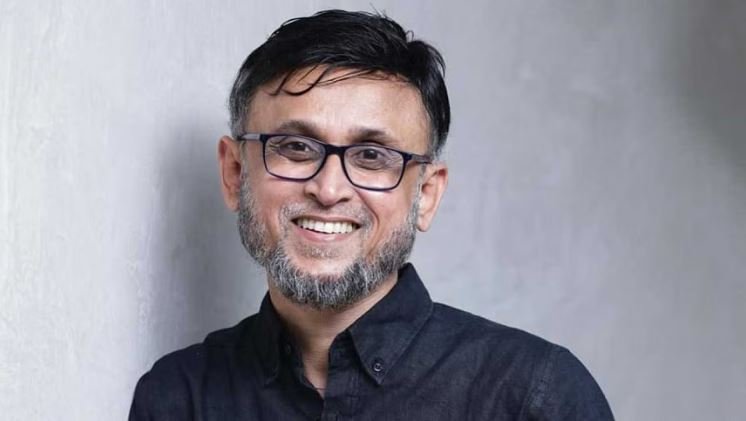
Thomas Dooley Appointed Bangladesh Football Coach as New Era Begins
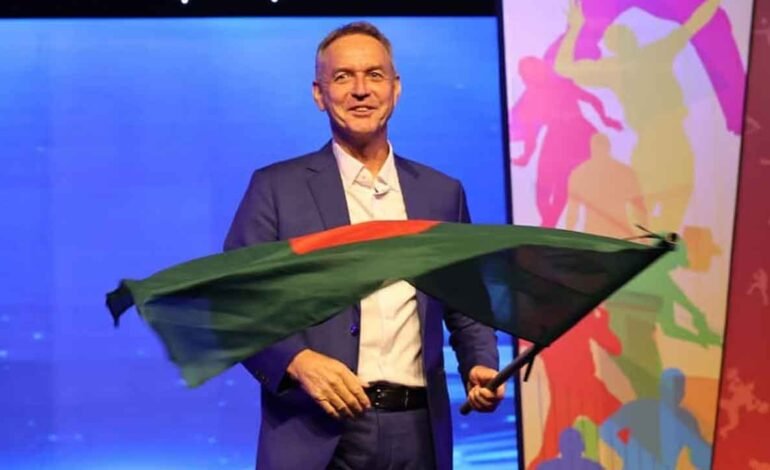

Thomas Dooley Appointed Bangladesh Football Coach as New Era Begins
The appointment of German-American coach Thomas Dooley as the new head coach of the Bangladesh national football team has sparked optimism among football supporters hoping for long-awaited progress in the country’s struggling football landscape.
Rather than making ambitious promises about trophies or immediate qualification campaigns, Dooley has chosen a more measured and realistic approach. His primary target, according to recent statements, is improving Bangladesh’s FIFA ranking to between 150 and 160 while gradually building a more competitive national team structure.
For many observers, this realistic mindset may be exactly what Bangladesh football needs after years of inconsistency, managerial changes, and disappointing international performances.
The Bangladesh Football Federation (BFF) appointed Thomas Dooley on a two-year contract following the departure of former coach Javier Cabrera. His arrival marks another attempt to revive a national team that has struggled to compete consistently at the Asian level for decades.
Who Is Thomas Dooley?
Thomas Dooley is a well-known figure in international football with experience both as a player and coach.
Born in Germany to an American military family, Dooley represented the United States national team during his playing career and participated in the:
- 1994 FIFA World Cup
- 1998 FIFA World Cup
He earned more than 80 international caps for the United States and played professionally in Germany’s Bundesliga for clubs including:
- Kaiserslautern
- Bayer Leverkusen
- Schalke 04
During his career, Dooley was respected for:
- Leadership qualities
- Tactical discipline
- Defensive organization
- Professional mentality
After retirement, he transitioned into coaching and previously managed the Philippines national football team, where he gained recognition for helping develop one of Southeast Asia’s most improved football sides.
His work with the Philippines is particularly relevant because Bangladesh faces many similar challenges:
- Limited football infrastructure
- Competition from cricket
- Inconsistent youth development
- Low international rankings
- Financial limitations
A Realistic Vision for Bangladesh Football
One of the most striking aspects of Dooley’s early comments is his refusal to make unrealistic promises.
Instead of speaking about immediate qualification for major tournaments, he emphasized gradual improvement.
Dooley stated that one of his major goals would be improving Bangladesh’s FIFA ranking into the 150–160 range.
While that may sound modest globally, it reflects the current reality of Bangladesh football.
Bangladesh national football team has spent years struggling in the lower tiers of Asian football rankings.
The team has faced problems including:
- Lack of consistency
- Defensive weaknesses
- Poor finishing
- Limited squad depth
- Weak transition from youth football
Football analysts argue that realistic goal-setting may actually create a healthier development environment than exaggerated expectations.
Rather than chasing short-term headlines, Dooley appears focused on:
- Long-term structure
- Tactical organization
- Fitness standards
- Competitive mentality
- Gradual progress
Bangladesh Football’s Long Decline
Bangladesh football once enjoyed significantly greater popularity and regional competitiveness.
During the 1980s and 1990s, football was one of the country’s biggest sports, with packed stadiums and strong domestic rivalries involving clubs such as:
- Abahani Limited Dhaka
- Mohammedan Sporting Club
However, over time, several factors contributed to football’s decline:
- Cricket’s overwhelming rise
- Poor football administration
- Weak grassroots systems
- Infrastructure shortages
- Limited investment
- Frequent coaching instability
Bangladesh has struggled to qualify for major Asian tournaments and has often performed inconsistently against regional opponents.
Supporters have repeatedly expressed frustration over:
- Lack of tactical identity
- Weak player development
- Poor long-term planning
Dooley now inherits a football culture desperate for stability and improvement.
Lessons From the Philippines
One reason the BFF may have chosen Dooley is his previous success with the Philippines.
Before the 2010s, the Philippines were also considered a relatively weak football nation in Asia. However, under coaches including Dooley, the team experienced noticeable progress.
The Philippines improved through:
- Better organization
- Tactical discipline
- Stronger fitness standards
- Overseas player integration
- Clear team identity
Although Bangladesh’s football ecosystem differs from the Philippines, some lessons remain relevant.
Dooley’s experience working in developing football systems could help Bangladesh address structural weaknesses without unrealistic pressure.
The Importance of FIFA Rankings
FIFA rankings are not just symbolic.
Improving rankings can influence:
- Tournament seedings
- Qualification pathways
- International reputation
- Friendly match opportunities
- Sponsorship potential
Bangladesh currently sits far below Asia’s leading football nations.
Analysts note that gradual ranking improvement could help rebuild confidence within the national setup.
Challenges Facing Dooley
Despite optimism surrounding his appointment, Thomas Dooley faces enormous challenges.
Limited Infrastructure
Bangladesh still lacks the football infrastructure available in stronger Asian football nations.
Key issues include:
- Poor training facilities
- Limited youth academies
- Inconsistent pitches
- Weak sports science systems
Cricket’s Dominance
Football continues to compete with the massive popularity of cricket in Bangladesh.
Cricket receives:
- More sponsorship
- Greater media attention
- Stronger commercial support
This limits football’s financial growth and talent development pathways.
Domestic League Problems
The domestic football system has also struggled with:
- Low attendance
- Financial instability
- Administrative controversies
- Uneven competition quality
Without a strong league structure, national team development becomes significantly harder.
Player Development
Bangladesh has often struggled to produce technically advanced players capable of competing consistently at international level.
Youth development remains one of the country’s biggest football challenges.
A Shift in Coaching Philosophy?
Dooley’s comments suggest he may prioritize:
- Discipline
- Defensive organization
- Team structure
- Mentality
- Fitness
These areas are often considered essential foundations for improving lower-ranked national teams.
Bangladesh has frequently suffered from:
- Defensive mistakes
- Poor concentration
- Lack of composure under pressure
Dooley’s experience as a former defender may influence his tactical approach.
Observers expect him to focus first on making Bangladesh more difficult to beat before pursuing more attacking ambitions.
Fan Expectations and Reality
Bangladesh football fans are passionate but often frustrated after years of disappointment.
Social media reactions following Dooley’s appointment showed mixed emotions:
- Hope for improvement
- Skepticism about federation management
- Concern over long-term planning
- Excitement about international experience
Many supporters appreciate Dooley’s realistic tone because previous football projects often failed due to overly ambitious promises disconnected from reality.
Experts argue that Bangladesh football requires:
- Stability
- Patience
- Structural investment
- Grassroots reform
rather than quick-fix solutions.
Regional Competition Is Becoming Harder
Improving in Asian football is becoming increasingly difficult because neighboring countries are also investing heavily in development.
Nations such as India, Vietnam, Indonesia, Thailand, Uzbekistan
Bangladesh risks falling further behind unless reforms continue consistently.
Dooley’s appointment alone cannot solve systemic issues, but it could provide direction and professionalism.
The Road Ahead
The coming months will likely focus on:
- Squad assessment
- Tactical implementation
- Player fitness
- International friendlies
- Competitive qualification matches
Observers will closely watch whether Bangladesh begins showing:
- Better defensive structure
- Improved organization
- Stronger discipline
- More competitive performances
Even modest improvements could help restore confidence in the national team.
In a Nutshell
Thomas Dooley’s arrival as Bangladesh national football coach represents another important chapter in the country’s search for football revival.
Unlike many modern football appointments driven by hype and unrealistic expectations, Dooley has chosen a grounded and pragmatic approach focused on gradual progress and realistic goals.
His target of improving Bangladesh’s FIFA ranking may appear modest, but it reflects a deeper understanding of the structural challenges facing the country’s football system.
For Bangladesh, success under Dooley may not immediately mean trophies or major tournament qualification. Instead, it may begin with something more fundamentals.
If those foundations can be established, Bangladesh football may finally begin moving toward sustainable progress after years of stagnation.