

DUCSU Jinnah Photo Debate: Can Bangladesh Remember History Without Losing Its Identity?
The DUCSU Jinnah photo debate began with a few photographs. It quickly became a national argument about history, identity and social-media memory.
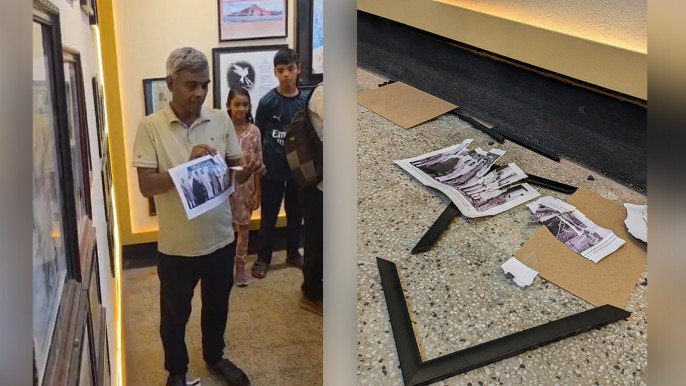
The renovated Dhaka University Central Students’ Union archive displayed photographs and newspaper clippings linked to Muhammad Ali Jinnah. The collection reportedly included an image from his 1948 visit to Dhaka, a photograph connected to the 1940 Lahore session and a Dawn clipping about the 1970 election.
Soon after the archive reopened, a student tore down Jinnah’s photographs. A student organisation issued an ultimatum. Another group placed a photograph of Ghulam Azam in the same area as a counter-protest. Dhaka University then formed committees to investigate the display and other DUCSU activities.
The internet, of course, did what it does best. It turned a serious historical question into a national group chat with screenshots, rage, half-read captions and confident opinions from people who had not opened a history book since their last exam.
What Started the DUCSU Debate?
The archive display was presented as a record of political history. DUCSU officials said the photographs were not meant to glorify Jinnah. They argued that the materials showed his role in the history of Pakistan and his opposition to Bengali’s place in the state language question. The captions were intended to provide historical context. Critics saw the display differently. They argued that Jinnah’s image had no place in a student archive connected to the Language Movement and the Liberation War. The criticism was based on real historical pain. It was not created from nowhere.
Jinnah visited Dhaka in March 1948. During speeches in Dhaka, he argued that Urdu should be Pakistan’s state language. Students protested the position, and the language dispute later became a central part of Bengali political resistance.
The protest and the counter-protest
On September 14, 2026, a Dhaka University student removed and damaged the Jinnah photographs. He said Jinnah’s language position made him unsuitable for display in the archive. The action was followed by further political responses. Bangladesh Jatiyatabadi Chhatra Dal demanded that the photographs be removed. Bangladesh Chhatra Federation later placed a photograph of Ghulam Azam at the site as a symbolic counter-action.
Left-leaning student groups also demanded the restoration of material connected to Sheikh Mujibur Rahman. They questioned whether older photographs and artefacts had been removed from the archive.
The university then announced investigations into:
- The display of Jinnah and Abdul Malek’s photographs.
- The installation of the “Nirbhik July” memorial.
- The launch of the “DU Evaluation” teacher-assessment website.
The committees were asked to submit reports with recommendations within seven working days.
When history becomes a wall fight
A museum wall cannot argue back. That may be why it becomes such an attractive target.
One side sees a photograph and says, “This is history.” Another sees the same photograph and says, “This is glorification.” Both may be reacting to different things.
The real issue is not only whether Jinnah’s photograph was displayed. It is whether the archive gave visitors enough information to understand his actions, the student protests and the later consequences. A photograph without context can look like praise. A photograph with a clear caption, timeline and opposing evidence can become a lesson.
Jinnah, 1948 and the 1971 Problem
Before arguing about Jinnah, we need to get the dates right.
Muhammad Ali Jinnah died on September 11, 1948. Bangladesh’s Liberation War took place in 1971, twenty-three years after his death. He did not lead Pakistan during the war and could not have ordered or directed events that occurred in 1971.
This does not erase his historical importance. Jinnah founded Pakistan and served as its first governor-general from 1947 until his death. His political decisions influenced the state that later became Pakistan. But influence is not the same as direct responsibility for every event that follows. History is not a family group chat where the eldest member gets blamed for every message sent years later.
What can be criticised fairly?
Jinnah can be criticised for his position on Pakistan’s language policy. His speeches in Dhaka supported Urdu as the state language of Pakistan. That policy alarmed Bengali students. Bengali was the language of the majority in East Pakistan, and students believed that ignoring it would create political and cultural inequality. The language dispute became part of a much larger conflict. It later connected with questions of representation, economic inequality, autonomy and military rule.
However, it is historically inaccurate to blame Jinnah directly for the 1971 war. He was already dead.
A serious discussion can make two points at once:
- Jinnah’s language position harmed the relationship between the Pakistani state and Bengali-speaking people.
- Jinnah was not alive during the 1971 Liberation War.
Both statements can be true. History does not collapse when two facts are allowed to stand together.
Bengali Pride Does Not Require Urdu Hatred
The language debate becomes more useful when we separate a language from a political policy.
Urdu is not the same as the 1948 state-language decision. Urdu is a language with its own literary tradition, poetry, music and history. It is an Indo-Aryan language related to the wider Hindustani language group. It developed through long contact between local speech traditions and Persian, Arabic and other languages. It uses the Perso-Arabic Nastaliq script and has borrowed heavily from Persian and Arabic.
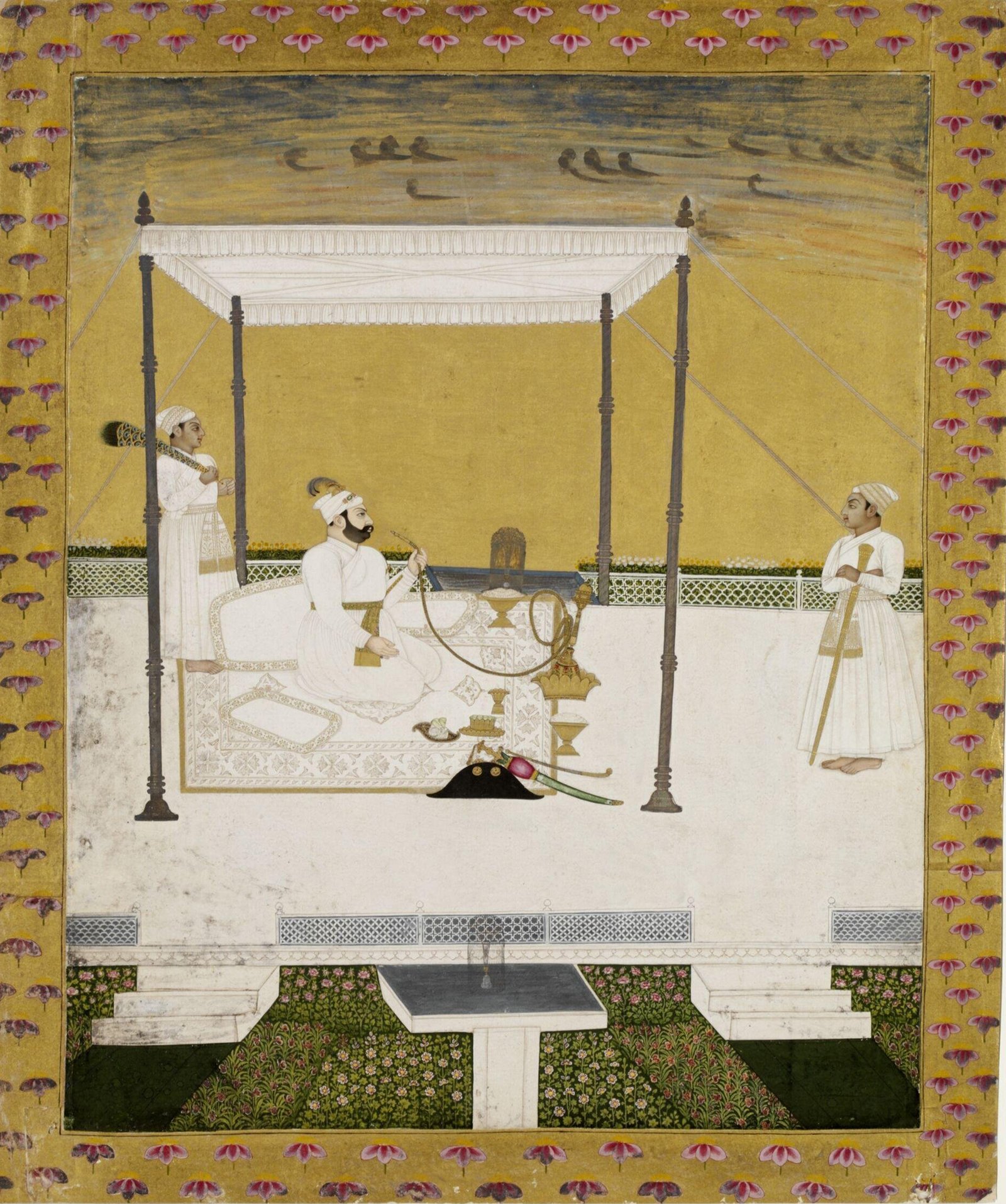
The popular explanation says that the word “Urdu” comes from the Turkic word ordu, meaning army or camp. The story connects the language with communication among people from different regions in Mughal military and urban settings.
That explanation captures an important idea, but it should not be treated as the full linguistic history. Modern scholarship warns that Urdu was not suddenly invented by soldiers in one Mughal camp. Languages develop gradually through long contact between communities.
Urdu’s story is still meaningful. Its development reflects interaction between different groups.
It absorbed words and influences from several languages. It grew through contact among soldiers, traders, administrators, poets and local communities. That history gives Urdu a strong connection with cultural exchange. It reminds us that languages often become richer when people meet.
This does not mean Bengali should be weakened. Bengali is central to Bangladesh’s identity and was defended through sacrifice during the Language Movement.But loving Bengali does not require hating Urdu. Protecting one language does not demand insulting another.
Bengali and Urdu can share a room
A student can celebrate Ekushey February and still enjoy Urdu poetry. A Bangladeshi can defend Bengali language rights and still respect Urdu speakers. The enemy was not a vocabulary list. The problem was the attempt to impose political power through language.
That distinction matters. Criticise the policy. Study history. Respect the people who speak the language. Otherwise, we end up blaming a language for the actions of a state. That is like blaming a pencil for the answer written with it.
The Critical Literacy Gap
The DUCSU debate reveals a major learning problem. Many people know historical slogans but not historical sequences.
We remember that Jinnah supported Urdu. We remember that Pakistan existed. We remember that Bangladesh fought a war in 1971. Then social media places these facts in one blender and serves them as a conclusion.
Critical literacy asks better questions:
- What happened?
- When did it happen?
- Who was alive and responsible at that time?
- What did the person actually say or do?
- Is the source a document, a report or a social-media claim?
- Does the display explain the full context?
- Are we criticising a person, a policy, a government or a language?
- What evidence supports the argument?
These questions do not make history boring. They prevent history from becoming a reaction video.
Facts are not loyalty tests
A person can study Jinnah without becoming a supporter of Pakistan. A person can study the Pakistan Movement without rejecting Bangladesh. Likewise, a person can discuss the weaknesses of post-1947 Pakistan without denying the historical complexity of Bengal before 1971.
The purpose of history is not to create a perfect list of heroes and villains. It is to understand how people, institutions and decisions shaped the present. A historical archive should therefore show disagreement. It should explain why one photograph matters, why people object to it and what happened after the event.
Remembering Bangladesh Without Simplifying It
Bangladesh’s history is not one straight road from 1947 to 1971. It contains many turns.
Bengali Muslims participated in the Pakistan Movement. Bengali students later challenged Pakistan’s language policy. East Pakistan then experienced political and economic conflict. Finally, Bangladesh emerged through the Liberation War.
These facts do not cancel each other. They explain how political identities change.
The same society can support one political project at one moment and reject it later. That is not hypocrisy. It is history. The danger comes when we remove the difficult middle chapters. A country cannot understand itself by remembering only the parts that fit today’s political mood.
A Smarter Way to Read the Debate
The DUCSU Jinnah photo debate should not become another contest in which one group replaces one selective story with another selective story. Bangladesh needs historical confidence. A confident nation can study its complicated past without fear. It can admit that Jinnah was part of the history of Bengal. It can also explain why his language policy angered Bengali students. It can acknowledge Urdu’s rich linguistic heritage. It can still defend Bengali as the language at the heart of Bangladesh’s national identity. It can remember 1971 without pretending that every earlier event had only one meaning.
Most importantly, it can stop confusing historical study with political worship.
History Needs More Than Hot Takes
The controversy at the DUCSU archive is a reminder that national memory requires care.
Jinnah’s photograph may be historically relevant. The objections to it are also historically understandable. The answer is not automatically to celebrate the image or destroy it. The better answer is to investigate the archive, verify the collection and improve the explanations. Bangladesh does not need less history. It needs better history. It needs students who can distinguish 1948 from 1971. It needs readers who can separate Urdu from the policies imposed in its name. It needs public debates where evidence gets more attention than outrage.
The next time a historical photograph appears online, perhaps we can try reading the caption before writing a revolution in the comments. That would be a small step. But for a nation still learning how to read its own past, it would be a meaningful one.