

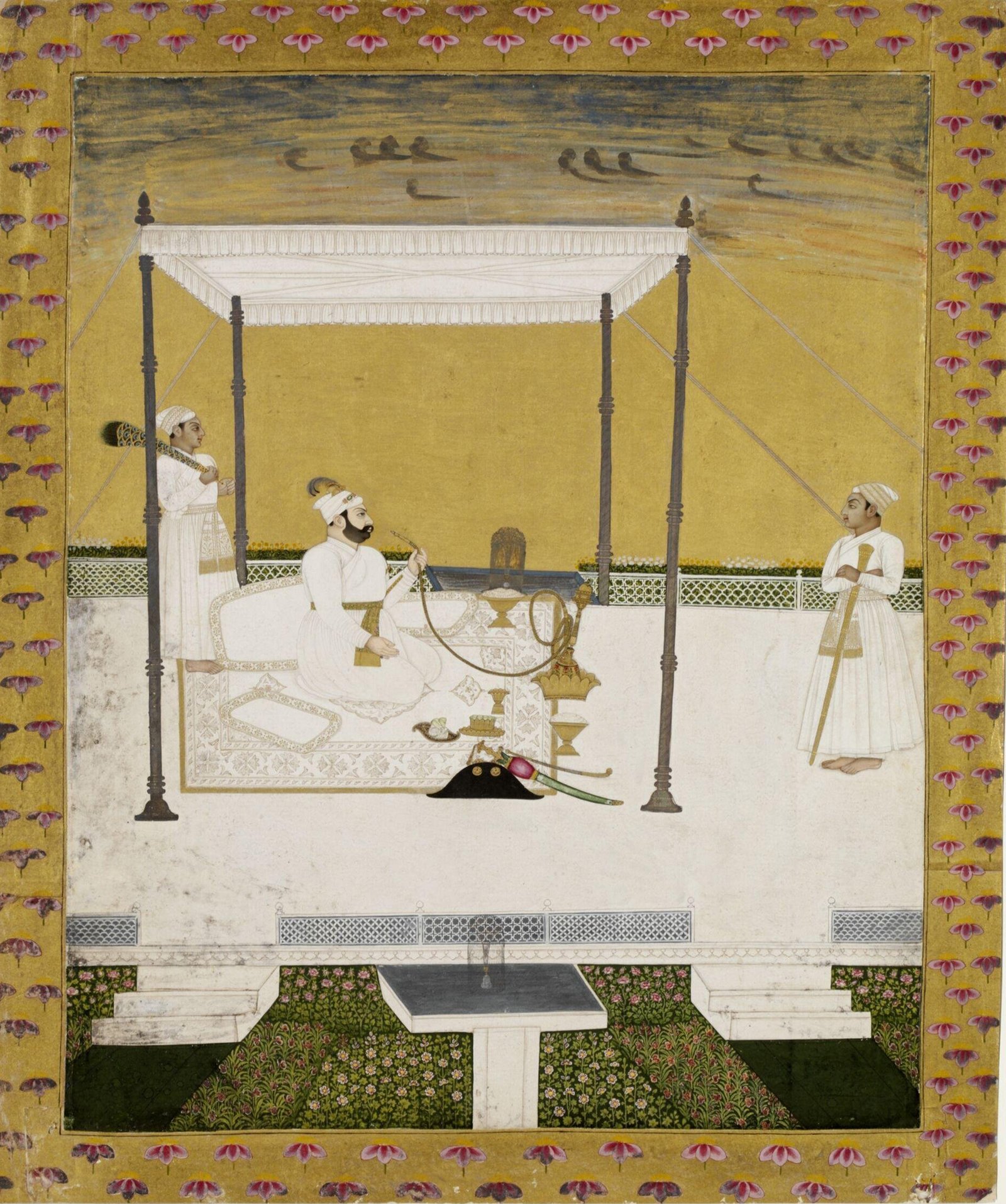


Zamindari System in Bengal: A Remarkable Journey Through History
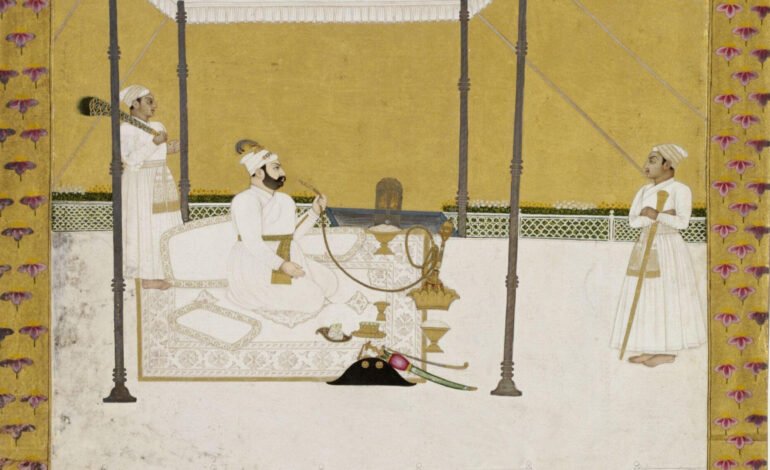

Zamindari System in Bengal: A Legacy of Power, Land and Change
The zamindari system in Bengal shaped the region’s land, economy and social life for centuries. Zamindars collected revenue from cultivators and paid a share to the ruling authority.
Their role changed over time. Under the Mughals, zamindars were usually local landholders and revenue intermediaries. Under British rule, the Permanent Settlement of 1793 gave many zamindars stronger proprietary rights over land. The system created powerful estates and wealthy families. It also placed many cultivators under rent pressure. Its influence continued until land reform laws removed intermediary interests in East Bengal.
What Was the Zamindari System?
The word “zamindar” comes from Persian. It combines zamin, meaning land, with dar, meaning holder or possessor.
In medieval and early modern Bengal, the title did not always mean private ownership. A zamindar could be a local chief, hereditary landholder or revenue collector.
The zamindar stood between the government and the cultivator. The cultivator was commonly known as a raiyat. The raiyat worked the land and paid revenue or rent. The zamindar collected the payment and sent the government’s share to the treasury. This arrangement differed across Bengal. Some zamindars controlled large territories. Others managed smaller estates or held limited local authority.
Zamindar and raiyat
The relationship between a zamindar and a raiyat was complex. It involved both economic duties and local power.
Zamindars collected revenue and often helped maintain order. They could also support the expansion of cultivation and the settlement of new land. Raiyats cultivated fields, paid rent and depended on access to land. Their customary rights were not always clearly written or protected. The system therefore created a strong imbalance. The zamindar controlled revenue collection, while the raiyat carried most of the risk of cultivation.
Zamindars in Mughal Bengal
The Mughal government relied on local landholders to administer Bengal. The region had wide rivers, wetlands, forests and remote settlements. Direct administration was difficult.
Zamindars helped collect land revenue from rural communities. They also assisted with local security and sometimes supplied troops to the state. Their authority could include administrative, military and judicial duties. Some large zamindars maintained armed groups and forts. Others held local courts or settled minor disputes. The Mughal state did not treat all zamindars in the same way. Some were semi-independent chiefs. Others were revenue paying landholders who depended on government recognition. A zamindar could lose his position for rebellion or failure to pay the required revenue. This shows that zamindars were influential, but they were not always absolute owners of land.
The Baro-Bhuiyans
The Baro-Bhuiyans were powerful chiefs in eastern Bengal. They resisted Mughal expansion during the late sixteenth and early seventeenth centuries.
Isa Khan was the best-known leader of this group. His influence was strongest in the riverine region of Bhati. The Baro-Bhuiyans were more than ordinary revenue collectors. They were regional leaders with political and military authority. Their history shows how geography affected power in Bengal. Rivers, wetlands and waterways helped local chiefs protect their territories and resist outside control.
Revenue Administration Before 1793
Revenue administration changed under different rulers. The Mughal state used officials, local chiefs and revenue collectors to assess and collect land payments.
Murshid Quli Khan reorganised Bengal’s revenue administration in the early eighteenth century. He divided the province into revenue units called chaklas. Larger zamindars received greater responsibility over smaller landholders. This arrangement increased the influence of major zamindari families. However, zamindars still did not possess the same legal status that they received under British rule. Their authority depended on a grant, recognition or sanad from the government.
Their duties included:
- Assessing and collecting revenue.
- Sending the government’s share to the treasury.
- Supporting local peace and order.
- Helping protect markets, roads and agricultural land.
- Providing troops or supplies during serious conflict.
- Encouraging cultivation and the expansion of productive land.
The system combined revenue collection with local administration. This gave zamindars economic influence and social status.
The Permanent Settlement of 1793
The most important change in the zamindari system in Bengal came under Lord Cornwallis.
In 1793, the East India Company introduced the Permanent Settlement in Bengal, Bihar and Odisha. The settlement fixed the revenue that zamindars had to pay to the Company. In return, zamindars received recognised proprietary rights over their estates. The British hoped that they would become loyal and prosperous landlords. The government also expected zamindars to improve agriculture. It believed that secure property rights would encourage investment in irrigation, drainage, roads and cultivation. This expectation was not fully achieved. Many zamindars focused on collecting rent instead of improving agricultural production.
How the Permanent Settlement worked
The main features of the Permanent Settlement included:
- The government fixed its revenue demand permanently.
- Zamindars received recognised ownership rights over their estates.
- Zamindars collected rent from raiyats.
- Zamindari estates could be inherited, sold or mortgaged.
- Zamindars could lose their estates if they failed to pay revenue.
- Raiyats did not receive the same permanent protection from rent increases.
- Revenue arrears could lead to the auction of an estate.
The policy created a landed aristocracy that was expected to support British rule. It also changed the legal relationship between landlords and cultivators.
The Sunset Law and Estate Auctions
The Permanent Settlement placed strict pressure on zamindars. They had to pay the government on time, even when floods, droughts or poor harvests reduced rural income. If a zamindar failed to pay, the government could auction part of the estate. This rule became known as the Sunset Law. The law allowed new buyers to purchase estates from families that had held land for generations. Wealthy merchants, moneylenders and Company connected investors acquired many properties.
This process changed the composition of the zamindar class. Older families lost their estates, while new landholders entered the system. Many new owners lived in cities. They managed their estates through agents and officials. This increased the distance between the person who owned the land and the person who cultivated it.
Impact on Cultivators
The zamindari system placed many cultivators under financial pressure. A raiyat had to pay rent to the zamindar even when the harvest was poor. If the raiyat failed to pay, the zamindar could demand arrears. The cultivator might then borrow money from a lender. Debt could lead to the loss of land. Some cultivators became tenants, sharecroppers or agricultural labourers.
The system also encouraged several levels of intermediaries. A zamindar could lease land to a taluqdar. The taluqdar could create another tenancy arrangement. Each level could collect rent from the same cultivator. This created a chain between the government and the person who worked the soil.
Rural debt and insecurity
Many cultivators depended on loans to pay rent, buy seeds or survive after a poor harvest. High interest increased their debt. A cultivator who could not repay might lose control over his holding. In some areas, wealthy peasants and local intermediaries gained land.
The effects were not identical throughout Bengal. Some raiyats had stronger customary rights than others. The Bengal Tenancy Act of 1885 later attempted to define and protect several tenant rights which reshaped the structure of zamindari system in bengal.
Zamindars and Bengali Culture
Zamindar families influenced Bengali culture in several ways. Some supported education, literature, music, theatre and religious institutions. They built schools, libraries, roads, markets and public buildings. Some families also supported artists, writers and musicians. Zamindar households hosted cultural events and religious celebrations. Their courts combined Bengali traditions with Mughal and Persian influences.
The Tagore family of Jorasanko became closely connected with the Bengali Renaissance. Other zamindar families also supported education and cultural activities. Cultural patronage, however, did not remove rural inequality. A family could support literature and architecture while cultivators on its estate faced rent demands.
Zamindari architecture
The mansions of zamindar families remain visible across Bangladesh and West Bengal. The zamindari system in bengal left behind a remarkable architectural legacy. These buildings are often called zamindar bari. Many combine European, Mughal and Bengali design elements. Large courtyards, columns, ponds, reception halls and decorative entrances are common features.
Notable historic sites include:
- Ahsan Manzil in Dhaka.
- Natore Rajbari.
- Puthia Rajbari.
- Baliati Zamindar Bari.
- Sonargaon’s Panam City.
- Dighapatia Raj Palace.
- Muktagacha Rajbari.
These buildings are important cultural landmarks. They show the wealth and taste of zamindar families. They also raise difficult questions about the society that produced them. Their beauty cannot be separated from the land system and rural labour that supported their owners.
Laws That Limited Zamindari Power
The colonial government gradually introduced laws to manage conflict between zamindars and raiyats. The Bengal Tenancy Act of 1885 defined the rights and responsibilities of landlords, intermediaries and tenants. It restricted arbitrary rent increases and recognised certain occupancy rights. The law did not end zamindari system in bengal. It reduced some landlord powers and gave cultivators stronger legal protection. Peasant politics became more influential during the twentieth century. Political parties increasingly promised land reform and the removal of intermediary interests.
The Floud Commission, formed in Bengal in 1938, recommended abolishing the Permanent Settlement and rent-receiving interests above the actual cultivator. Its recommendation became important in later land reform debates.
Land Reform and a New Chapter
After the partition of British India, East Bengal moved toward the removal of zamindari rights. The East Bengal State Acquisition and Tenancy Act was passed in 1950. It received assent in 1951. The Act acquired rent-receiving interests and removed the intermediary relationship between zamindars and cultivators. The government became the principal landlord, while tenants held land directly under the state.
The law also created procedures for land records, compensation, rent assessment and the management of government land. This was a major change in rural administration. It ended the legal structure created by the Permanent Settlement and reduced the power of zamindars in East Bengal.
The Legacy of Zamindari
The formal system disappeared, but its legacy remains visible in Bangladesh. Historic zamindar houses attract visitors and preserve memories of an older social order. Family histories continue to appear in literature, television and film.
The zamindari system in bengal also left behind questions about land ownership and inequality. Who controlled the land? Who worked it? Who benefited from its produce?
These questions remain important when studying Bengal’s rural history. They connect the past with later debates about land reform, tenancy and social justice. The zamindari system therefore has two contrasting legacies. It contributed to architecture, education and cultural patronage. It also created unequal relationships between landlords, intermediaries and cultivators.
When Land Changed Hands
The history of the zamindari system in Bengal is a history of changing power.
Under Mughal rule, zamindars were local authorities and revenue intermediaries. Under the Permanent Settlement, they became recognised proprietors of land. That change strengthened the landed class. It also weakened the position of many cultivators and encouraged the growth of rent-collecting intermediaries.
Peasant resistance, tenancy laws and political movements gradually challenged the system. The East Bengal State Acquisition and Tenancy Act of 1950 then removed zamindari as a legal land arrangement in East Bengal. The old estates still stand in many parts of Bangladesh. Their walls preserve stories of wealth, culture and power. Yet the fields around them also tell another story: the story of cultivators who worked the land and demanded a fairer place in society.