
Is Western Culture Reshaping Urban Bangladeshi Identity?
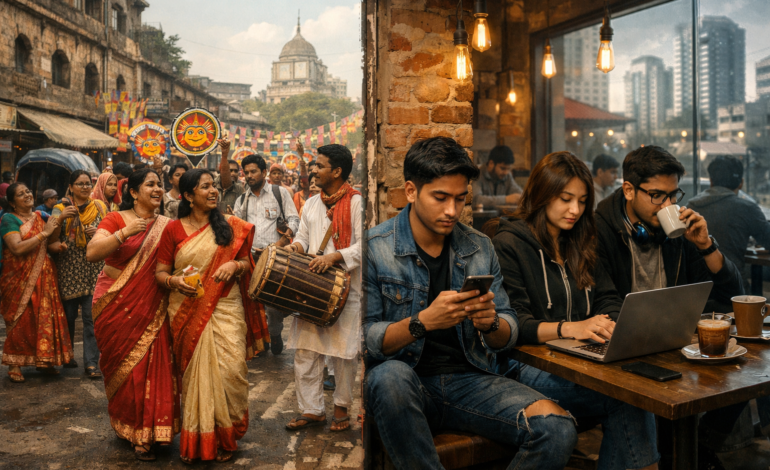

Is Western Culture Reshaping Urban Bangladeshi Identity?
In the bustling streets of Dhaka, a subtle yet powerful transformation is unfolding. From fashion choices and language patterns to entertainment and lifestyle habits, Western cultural influences are increasingly shaping the identity of urban Bangladesh. But is this transformation a natural evolution in a globalized world, or does it risk traditional values?
This question has sparked growing debate among academics, cultural observers, and young Bangladeshis themselves.
The Rise of Cultural Globalization
The influence of Western culture in urban Bangladesh cannot be understood without examining globalization. Over the past two decades, rapid technological advancement and digital connectivity have made global content more accessible than ever before.
Platforms like YouTube, Netflix, and Instagram have exposed urban youth to Western lifestyles, values, and aesthetics on a daily basis.
This constant exposure has normalized global trends, from fashion and music to food habits and communication styles. English phrases are frequently mixed into Bangla conversations, Western clothing styles dominate urban wardrobes, and international fast-food chains are now integral to city life.
For many, this is not cultural replacement but cultural expansion, a blending of influences rather than a loss of identity.
Changing Fashion and Lifestyle
One of the most visible signs of Western influence is in fashion. Urban Bangladeshi youth increasingly adopt Western styles such as jeans, t-shirts, business suits, and athleisure wear.
Shopping malls in cities like Chattogram and Dhaka showcase global brands, while local designers often incorporate Western cuts and styles into traditional outfits.
Lifestyle changes extend beyond clothing. Gym culture, coffee shop culture, and dating norms have also evolved significantly in urban areas. Cafés resembling Western-style hangout spots have become popular social hubs, particularly among young professionals and students.
These changes reflect a shift toward individualism and self-expression, values often associated with Western societies.
Language and Communication
Language is another key area where Western influence is evident.
The growing use of “Banglish”, a mix of Bangla and English highlights how communication patterns are evolving. English is increasingly used in professional settings, education, and even casual conversations.
This shift is partly driven by the global importance of English as a lingua franca, especially in business and technology. However, it also raises concerns about the erosion of linguistic purity and cultural authenticity.
Still, many argue that language evolution is a natural process, and that multilingualism enhances rather than diminishes cultural identity.
Media, Entertainment, and Cultural Consumption
Western media plays a significant role in shaping urban identity.
Hollywood films, Western music, and international television series have a strong following among Bangladeshi audiences. Streaming platforms have made global content instantly accessible, reducing reliance on local media.
At the same time, local content creators are adapting to these influences, producing films, music, and digital content that blend global styles with local themes.
This hybridization is creating a new form of cultural expression one that is both globally informed and locally rooted.
Economic Drivers Behind Cultural Shifts
The adoption of Western culture is not purely a social phenomenon; it is also driven by economic factors.
Urban Bangladesh has experienced significant economic growth, leading to the rise of a middle class with increased purchasing power. This demographic is more likely to consume global products, travel abroad, and engage with international brands.
Multinational companies and global marketing strategies also play a role in promoting Western lifestyles. Advertising often associates Western-style products with modernity, success, and upward mobility.
As a result, adopting Western cultural elements can sometimes be seen as a symbol of status and aspiration.
Cultural Identity: Transformation or Erosion?
The central question remains: is Western influence reshaping urban Bangladeshi identity, or simply adding new dimensions to it?
Critics argue that excessive Westernization risks eroding traditional values, customs, and social norms. Concerns are often raised about:
- Declining use of traditional attire
- Changing family structures
- Reduced emphasis on cultural practices
On the other hand, supporters view this transformation as a natural evolution in a connected world. They argue that culture is not static but dynamic, constantly adapting to new influences.
Rather than replacing Bangladeshi identity, Western culture is contributing to a more diverse and multifaceted cultural landscape.
Youth Perspectives: Between Tradition and Modernity
Urban youth are at the center of this cultural shift.
For many young Bangladeshis, identity is no longer defined by a single cultural framework. Instead, it is shaped by a combination of local traditions and global influences.
A young professional in Dhaka might wear Western business attire during the week, celebrate traditional festivals like Pohela Boishakh, and consume both local and international media.
This ability to navigate multiple cultural spaces reflects a more fluid and adaptable sense of identity. A Shared Experience
Bangladesh is not alone in experiencing this cultural transformation.
Cities across Asia, Africa, and Latin America are undergoing similar changes, where Western influence intersects with local traditions. In countries like India, Indonesia, and Nigeria, urban youth are also blending global and local cultural elements.
This suggests that the phenomenon is part of a broader global trend rather than a uniquely Bangladeshi issue.
The Future of Urban Identity in Bangladesh
Looking ahead, the relationship between Western culture and Bangladeshi identity is likely to become even more complex.
As digital connectivity continues to grow and global interactions increase, cultural exchange will intensify. However, there is also a growing movement to preserve and promote local culture through education, media, and policy initiatives.
The future of urban Bangladeshi identity may lie in balance embracing global influences while maintaining a strong connection to cultural roots.
In a Nutshell
Western culture is undeniably reshaping aspects of urban Bangladeshi identity, influencing everything from fashion and language to lifestyle and values.
However, this transformation should not be viewed solely as a loss of tradition. Instead, it represents a dynamic process of cultural exchange and adaptation.
In a globalized world, identity is no longer confined by geography. For urban Bangladeshis, it is becoming a blend of the local and the global.
The real challenge is not resisting change, but ensuring that cultural evolution remains inclusive, balanced, and rooted in a sense of identity that continues to evolve with time.