


Bangladesh and Morocco Strengthen Bilateral Ties With Focus on Trade, Agriculture and Strategic Cooperation
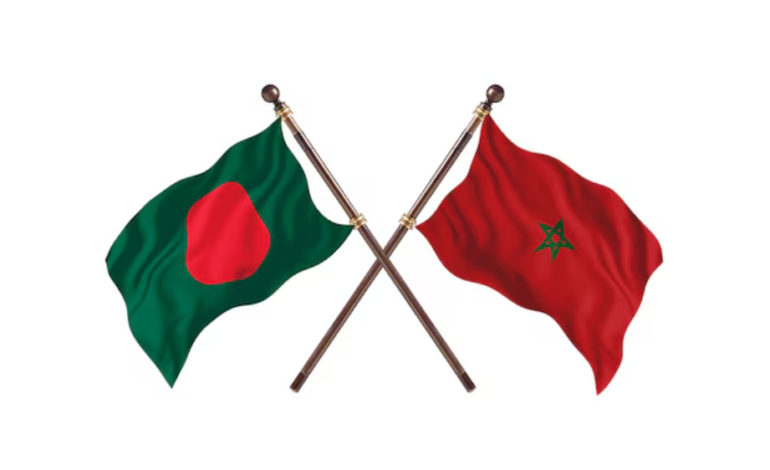
Bangladesh and Morocco have agreed to deepen bilateral cooperation across a wide range of sectors, including trade, investment, agriculture, skills development, technology, and multilateral diplomacy, marking a significant step toward stronger relations between South Asia and North Africa.
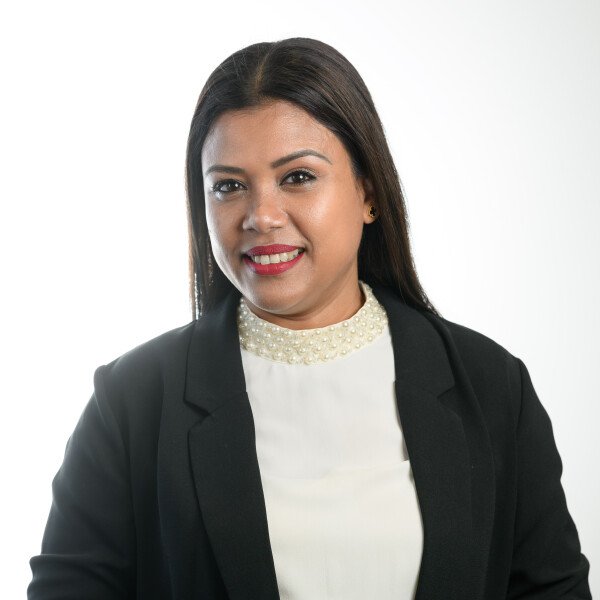
The commitment was reaffirmed during a series of high-level meetings in Rabat between Bangladesh State Minister for Foreign Affairs Shama Obaed Islam and senior Moroccan officials, including Foreign Minister Nasser Bourita, Minister of Industry and Trade Ryad Mezzour, and Minister of Economic Inclusion, Small Business, Employment and Skills Younes Sekkouri.
The discussions highlighted growing interest from both nations in expanding economic partnerships, improving people-to-people connectivity, and exploring new strategic opportunities in emerging industries such as artificial intelligence, information technology, and industrial innovation.
The visit also reflected Bangladesh’s broader diplomatic effort to strengthen engagement with African nations under the leadership of Prime Minister Tarique Rahman.
Bangladesh Looks to Expand African Partnerships
Speaking during her meeting with Moroccan Foreign Minister Nasser Bourita in Rabat, Shama Obaed emphasized Bangladesh’s intention to elevate its relations with African countries.
“Under the leadership of Prime Minister Tarique Rahman, Bangladesh is keen to deepen its engagement with African nations and elevate its partnership with Morocco to a new horizon of cooperation, shared prosperity and strategic opportunity,” she said.
Bangladesh has increasingly sought stronger economic and diplomatic connections with African countries as part of its broader foreign policy diversification strategy.
Analysts say African markets offer significant opportunities for Bangladesh in:
- Export expansion
- Pharmaceutical trade
- Textile products
- Agricultural cooperation
- Skilled workforce development
- Infrastructure partnerships
Morocco, one of North Africa’s largest economies and a gateway to African and European markets, is viewed as a strategically important partner for Bangladesh.
Importance of High-Level Diplomatic Engagement
During the bilateral meeting, both sides stressed the importance of regular high-level exchanges to strengthen political and economic relations.
Shama Obaed also recalled the historic visit of Shaheed President Ziaur Rahman to Morocco in 1980 and appreciated Morocco’s gesture of naming an avenue in Rabat after him.
The symbolic recognition highlighted the long-standing diplomatic ties between the two countries despite relatively limited economic engagement in previous decades.
Officials from both countries agreed to hold the next round of Foreign Office Consultations in Dhaka at the earliest opportunity to review existing cooperation and identify new areas for collaboration.
The Bangladeshi state minister also formally invited Moroccan Foreign Minister Nasser Bourita to visit Bangladesh in the future.
Expanding Trade and Investment Cooperation
Trade and investment cooperation emerged as one of the central topics during the meetings.
Both Bangladesh and Morocco expressed interest in expanding bilateral business engagement across several sectors, including:
- Textiles
- Pharmaceuticals
- Ceramics
- Shipbuilding
- Sports
- Culture
- Education
- Agriculture
Bangladesh’s export-oriented economy is increasingly seeking new international markets beyond traditional partners in Europe and North America.
Morocco, meanwhile, has positioned itself as a growing manufacturing and logistics hub linking Africa, Europe, and the Middle East.
Experts believe stronger trade relations between the two countries could help diversify economic partnerships for both sides.
During a separate meeting with Moroccan Minister of Industry and Trade Ryad Mezzour, Shama Obaed proposed the exchange of business delegations to strengthen commercial cooperation.
In response, the Moroccan minister expressed interest in sending a business delegation to Bangladesh by the end of 2026.
Such exchanges could potentially open opportunities for:
- Joint ventures
- Investment partnerships
- Industrial collaboration
- Market access expansion
Agricultural Cooperation and Phosphate Supply
Agriculture was another major focus of the discussions.
Bangladesh relies heavily on imported fertilizers to support its agricultural sector and ensure food security for its large population.
During the talks, Shama Obaed highlighted the importance of stronger government-to-government cooperation to secure a more reliable phosphate supply chain from Morocco.
Morocco is home to some of the world’s largest phosphate reserves and plays a critical role in the global fertilizer market.
Bangladesh sees stable phosphate imports as essential for:
- Agricultural productivity
- Fertilizer security
- Food production
- Rural economic stability
The discussions reflected growing concerns globally over supply chain security and agricultural resilience, particularly following recent international disruptions affecting food and fertilizer markets.
Bangladesh Promotes Eco-Friendly Jute Products
The Bangladeshi delegation also promoted eco-friendly jute and jute-based products during the meetings.
Bangladesh is one of the world’s leading producers of jute, often referred to as the “golden fiber” because of its economic importance and environmental benefits.
Officials expressed interest in expanding Bangladeshi jute exports into Moroccan markets as global demand for sustainable and biodegradable products continues to rise.
Jute products are increasingly being promoted worldwide as alternatives to plastic-based packaging and synthetic materials.
Industry experts believe African markets could provide new opportunities for Bangladesh’s jute sector, which has faced challenges from declining traditional demand in some regions.
Focus on Technology and Innovation
One of the most forward-looking aspects of the discussions involved cooperation in:
- Artificial intelligence
- Information and communication technology
- Innovation
- Industrial training
- Technical education
Both countries pledged to strengthen collaboration in emerging technology sectors as digital transformation accelerates globally.
Bangladesh has invested heavily in digital infrastructure and IT sector development over the past decade, while Morocco has also positioned itself as an emerging technology and industrial hub in North Africa.
Officials believe collaboration in technology and innovation could create:
- Knowledge-sharing opportunities
- Skills development programs
- Research partnerships
- Startup cooperation
- Industrial modernization initiatives
The talks also included discussions on the possibility of a future Free Trade Agreement (FTA) aimed at boosting bilateral trade and investment.
Skills Development and Employment Cooperation
Another key area of cooperation focused on employment generation and workforce development.
During her meeting with Morocco’s Minister of Economic Inclusion, Small Business, Employment and Skills Younes Sekkouri, Shama Obaed discussed opportunities for:
- Vocational training
- Youth empowerment
- Women’s empowerment
- Entrepreneurship development
- SME growth
Both sides highlighted the importance of technical training and institutional partnerships in improving workforce competitiveness.
Bangladesh has increasingly emphasized skills development as a national priority due to:
- Rising youth population
- Global labor market competition
- Demand for skilled migrant workers
- Industrial modernization
Morocco has also invested in workforce training initiatives aimed at strengthening employment opportunities and supporting economic diversification.
Officials from both countries agreed that deeper collaboration through technical exchanges and knowledge-sharing could benefit long-term development goals.
Bangladesh’s Domestic Development Initiatives Highlighted
During the meetings, Shama Obaed also briefed Moroccan officials on several Bangladesh government initiatives, including:
- Family Card programs
- Farmers’ Card initiatives
- Canal re-excavation projects
These programs are part of broader efforts to improve:
- Rural support systems
- Agricultural productivity
- Social welfare access
- Water resource management
The discussions allowed Bangladesh to showcase its domestic development priorities while exploring areas where Moroccan experience and cooperation could be valuable.
Multilateral Cooperation and Global Diplomacy
In addition to economic issues, the two countries also discussed strengthening cooperation in multilateral forums.
Both Bangladesh and Morocco are active participants in international peacekeeping and diplomatic initiatives.
Shama Obaed is currently visiting Morocco to attend the Second Ministerial Conference on Peacekeeping in a Francophone Environment in Rabat.
Bangladesh is one of the world’s largest contributors to United Nations peacekeeping missions, while Morocco also maintains active involvement in regional and international security initiatives.
Diplomatic analysts say closer Bangladesh-Morocco cooperation could strengthen coordination on:
- Peacekeeping operations
- Climate diplomacy
- Global trade issues
- South-South cooperation
- Development partnerships
Why Morocco Matters for Bangladesh
Morocco’s strategic importance continues to grow globally because of its location connecting:
- Africa
- Europe
- The Mediterranean region
- Atlantic trade routes
The country has also developed strong manufacturing, automotive, logistics, and renewable energy sectors.
For Bangladesh, stronger ties with Morocco could provide:
- Access to African markets
- Expanded trade networks
- Fertilizer security
- Technology partnerships
- Diplomatic diversification
At the same time, Morocco may benefit from closer engagement with Bangladesh’s:
- Large consumer market
- Textile industry
- Pharmaceutical sector
- Skilled workforce
- Expanding digital economy
In a Nutshell
The recent meetings in Rabat marked an important step in strengthening Bangladesh-Morocco relations across diplomacy, trade, agriculture, technology, and workforce development.
Both countries signaled a clear willingness to expand cooperation beyond traditional diplomatic ties and pursue more strategic economic partnerships.
From phosphate supply and agricultural security to artificial intelligence and industrial training, the discussions reflected growing recognition that South-South cooperation is becoming increasingly important in a rapidly changing global economy.
As Bangladesh continues expanding its engagement with African nations and Morocco strengthens its position as a regional economic hub, the partnership between the two countries could open new opportunities for trade, innovation, and long-term strategic collaboration.