
Lathi Khela: The Traditional Martial Art Rooted in History and Heritage of Bangladesh

Lathi Khela: The Traditional Martial Art Rooted in History and Heritage of Bangladesh
In the rich cultural landscape of Bangladesh, traditional sports and martial arts have long played a vital role in shaping community identity. Among these, Lathi Khela stands out as a powerful symbol of heritage, discipline, and resilience.
Often described as the “game of sticks,” Lathi Khela is more than just a sport as the centuries-old martial art reflects the history and traditions of the Bengali people.
What is Lathi Khela?
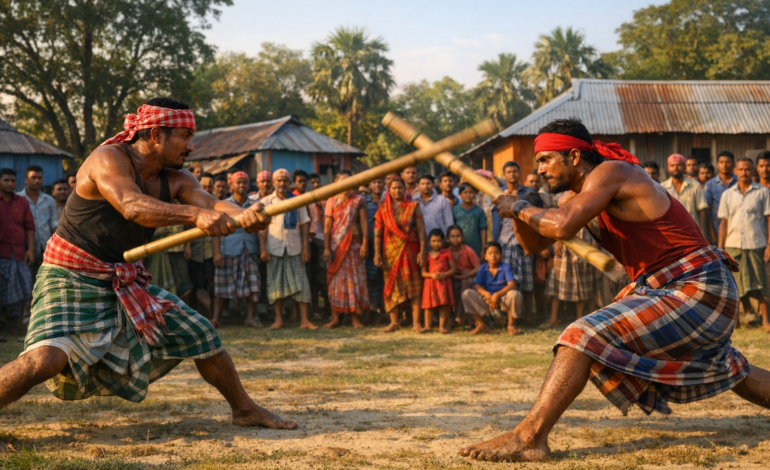
Lathi Khela is a traditional form of stick fighting practiced primarily in Bangladesh and parts of the Bengal region. The term itself is derived from two Bengali words: “lathi,” meaning stick, and “khela,” meaning game, which literally translates to “stick game.”
Practitioners of this martial art are known as lathials, and they specialise in wielding long bamboo sticks with precision and skill.
Typically, the lathi used in the game measures between 6 to 8 feet, often made from strong bamboo and sometimes reinforced with iron rings for durability.
Historical Origins and Evolution
The origins of Lathi Khela can be traced back to rural Bengal, where it initially developed as a method of self-defense. Villagers used sticks to protect themselves from bandits, wild animals, and rival groups.
Over time, it evolved into an organised martial practice and later into a competitive sport.
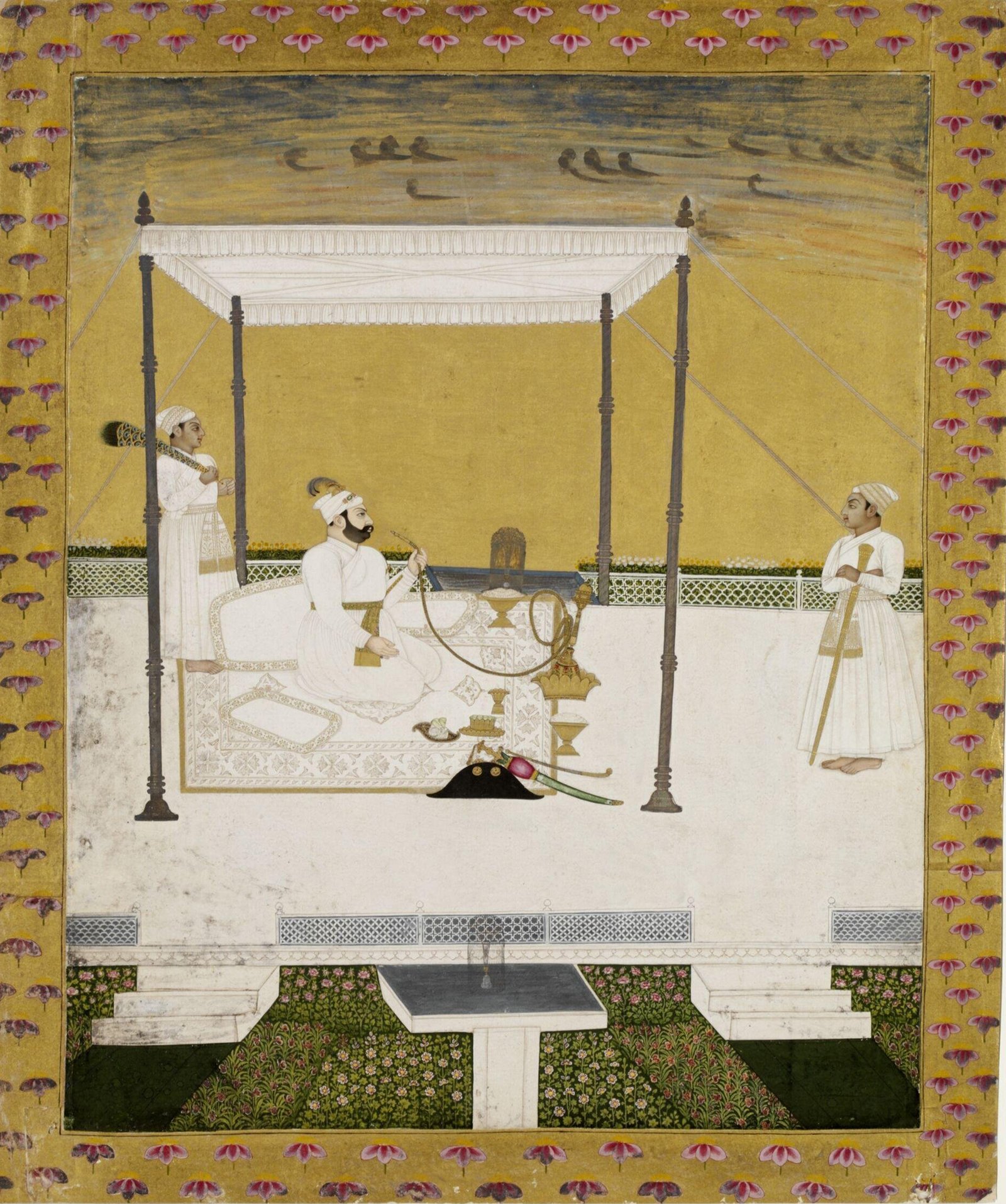
During the feudal era, wealthy landowners or zamindars employed groups of lathials to guard their property and assert authority. These groups were often involved in disputes over land and resources, where stick fighting became a means of conflict resolution.
There is even a popular proverb in South Asia “jiski lathi uski bhains” which means “whoever holds the stick owns the buffalo,” highlighting the power associated with the lathi.
In the 19th century, Lathi Khela also gained prominence as part of cultural and nationalist movements. Events like indigenous sports competitions helped preserve and promote traditional martial arts, including Lathi Khela.
Techniques and Styles
Lathi Khela is not merely about brute strength — it requires a combination of agility, balance, timing, and strategy.
Some common forms and techniques include:
- Baoi Jhak – group stick fighting demonstrations
- Nori Bari – mock duels using sticks
- Dao Khela – simulated combat with machete-like weapons
- Chhuri Dance – rhythmic movements with blades
These performances are often accompanied by music and are designed to showcase coordination and discipline.
The fighting stance in Lathi Khela is typically upright, with a strong focus on control and precision. Practitioners train extensively to master both offensive and defensive movements.
Cultural Significance
Lathi Khela is deeply embedded in the cultural fabric of Bangladesh.
Traditionally, it was performed during:
- Village festivals
- Weddings
- Religious celebrations such as Eid and Puja
These performances were not only a form of entertainment but also a demonstration of strength, unity, and cultural pride.
In many rural communities, Lathi Khela served as a rite of passage for young men, teaching them discipline, courage, and physical fitness.
It also played a role in preserving indigenous knowledge systems, passing down techniques and traditions from one generation to the next.
Lathi Khela in Modern Bangladesh
Despite its rich history, Lathi Khela has experienced a decline in recent decades.
Urbanization, modernization, and the growing popularity of global sports like cricket and football have overshadowed traditional games.
In the past, nationwide Lathi Khela conventions were held regularly, attracting participants from across the country. However, due to decreasing interest and participation, such events have become less frequent.
Today, the art form is primarily preserved in rural areas and cultural festivals, where it continues to be performed as a symbolic tradition.
Efforts to Preserve the Tradition
Recognizing the cultural importance of Lathi Khela, various organizations and cultural groups are working to revive and promote the practice.
Efforts include:
- Organizing local and national competitions
- Incorporating traditional sports into cultural festivals
- Documenting techniques and histories
- Encouraging youth participation
Educational initiatives and media coverage are also helping to raise awareness about the significance of this traditional martial art.
Comparison with Other Traditional Sports
Lathi Khela is part of a broader ecosystem of traditional Bangladeshi sports.
For example, Boli Khela is another popular indigenous sport, particularly in the Chattogram region, focusing on wrestling techniques rather than weapon-based combat.
Together, these sports highlight the diversity of Bangladesh’s cultural heritage and the importance of preserving indigenous practices.
Why Lathi Khela Still Matters
In today’s fast-paced, technology-driven world, traditional practices like Lathi Khela offer valuable lessons.
They promote:
- Physical fitness
- Mental discipline
- Cultural awareness
- Community bonding
Moreover, they serve as a reminder of Bangladesh’s rich history and the resilience of its people.
Reviving interest in Lathi Khela is not just about preserving a sport but it is about safeguarding a cultural identity.
The Future of Lathi Khela
The future of Lathi Khela depends on collective efforts from communities, institutions, and policymakers.
With proper support, it has the potential to:
- Be included in national sports programs
- Gain recognition as a cultural heritage practice
- Attract international interest
Digital platforms and social media can also play a key role in promoting the art form to younger generations.
A Sport Connected with Roots
Lathi Khela is more than a traditional game, it is a living testament to Bangladesh’s history, culture, and spirit.
From its origins as a tool for survival and defense to its role as a cultural performance, it has evolved while retaining its core essence.
As Bangladesh continues to modernize, preserving traditions like Lathi Khela becomes increasingly important. By celebrating and promoting this ancient martial art, the nation can ensure that its cultural heritage remains vibrant and relevant for future generations.