

PM Hands Over Independence Awards 2026: Honouring Bangladesh’s Finest Contributors
The Government of Bangladesh has recognised the nation’s most distinguished individuals with its highest civilian honour, as Prime Minister Tarique Rahman formally handed over the Independence Awards 2026 at a state ceremony in Dhaka on Thursday.
Held at the iconic Osmani Memorial Auditorium, the event brought together policymakers, dignitaries, and families of recipients in a moment that celebrated excellence, sacrifice, and national contribution.
A Prestigious National Honour
The Independence Award, known as Swadhinata Padak remains the highest civilian award in Bangladesh. Introduced in 1977, it is conferred annually to individuals and institutions for outstanding contributions across sectors such as the Liberation War, public service, education, culture, science, and sports.
Each recipient is honoured with:
- A gold medal
- A certificate of recognition
- Monetary award from the government
More importantly, the award represents national gratitude for those who have shaped Bangladesh’s identity and progress.
Ceremony and National Significance
The 2026 award ceremony organised by the Cabinet Division. The Prime Minister personally handed over the awards, reinforcing the importance of the occasion at the highest level of government.
The event was not merely ceremonial, it was symbolic. It highlighted Bangladesh’s commitment to recognising contributions across generations, including both living recipients and posthumous honourees.
Family members of several late awardees attended the ceremony, receiving the awards on behalf of their loved ones, adding an emotional dimension to the proceedings.
List of Distinguished Awardees
This year, the Independence Award 2026 was conferred on 15 distinguished individuals, recognising their contributions across multiple sectors.
Key Notable Recipients:
- Begum Khaleda Zia (posthumous)
Honoured for her contributions to independence, democracy, women’s education, and nation-building. - Major Mohammad Abdul Jalil (posthumous)
Recognised for his role in the Liberation War. - Professor Dr Johurul Karim
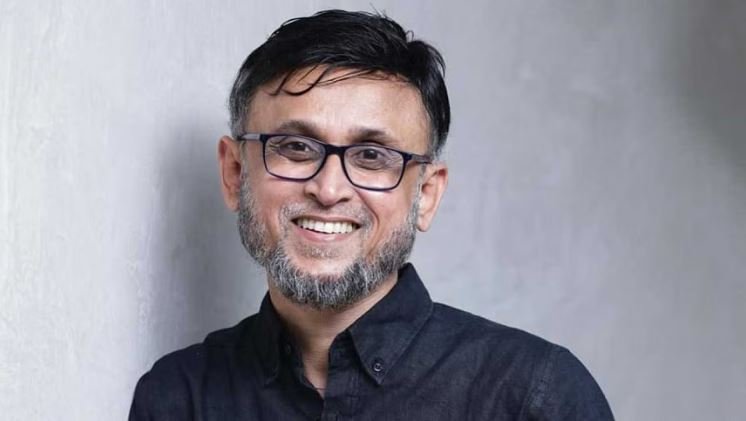
Awarded for contributions to science and technology. - Dr Ashraf Siddiqui (posthumous)
Honoured for his work in literature. - AKM Hanif (Hanif Sanket) and Bashir Ahmed (posthumous)
Recognised in the cultural field. - Jobera Rahman Linu
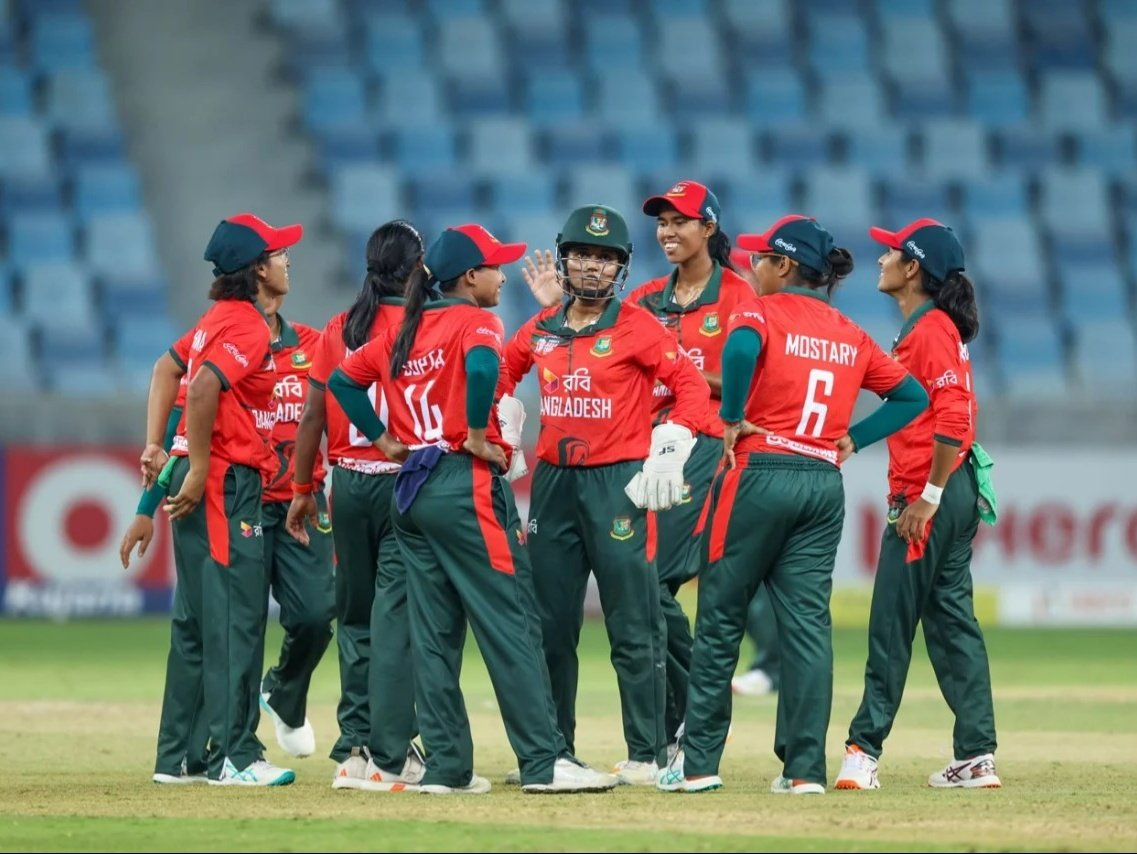
Awarded for achievements in sports. - Dr Zafrullah Chowdhury (posthumous), Md Saidul Huq, Maherin Chowdhury (posthumous)
Honoured for contributions to social service. - Kazi Fazlur Rahman (posthumous)
Recognised in public administration. - Dr Mohammad Abdul Baqi, Professor MA Rahim, Professor Sukomal Barua
Awarded for research and training. - Abdul Mukit Majumdar
Honoured for environmental conservation.
This diverse list reflects the wide spectrum of contributions that continue to shape Bangladesh’s development.
A Moment of Emotional Tribute
One of the most notable aspects of this year’s ceremony was the number of posthumous recognitions, underscoring the nation’s commitment to honouring contributions regardless of time.
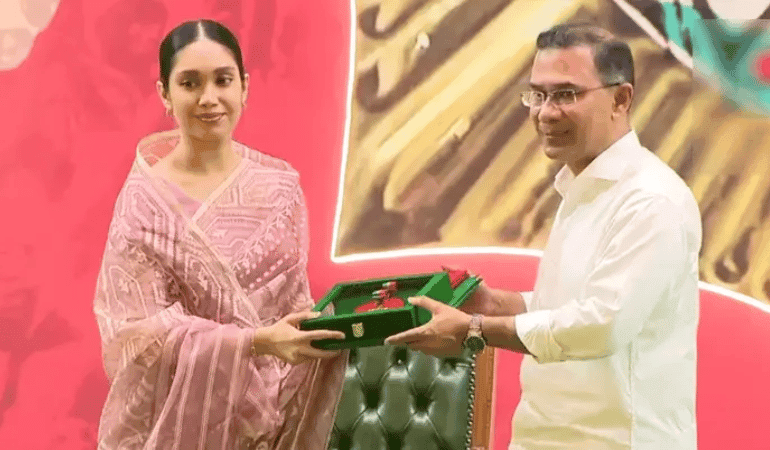
For instance, the award for Begum Khaleda Zia was received by her granddaughter Zaima Rahman, marking a deeply symbolic moment that connected generations.
Such moments serve as a reminder that national service extends beyond an individual’s lifetime, leaving a legacy that continues to inspire.
Beyond Individuals: A Broader Recognition
While the main ceremony focused on individuals, earlier announcements indicated that institutions were also selected for recognition in 2026, highlighting contributions from organisations in sectors like healthcare, education, and social development.
The government also named five institutions for the award: Faujdarhat Cadet College (Liberation War), Dhaka Medical College Hospital (Medicine), Palli Karma-Sahayak Foundation (PKSF) (Rural Development), SOS Children’s Village International in Bangladesh (Social Service), and Gonoshasthaya Kendra (Social Service).
This broader recognition reflects a growing understanding that national progress is driven not only by individuals but also by collective institutional efforts.
Political Context and Leadership
The 2026 Independence Award ceremony also comes at a significant political moment for Bangladesh.
Prime Minister Tarique Rahman, who assumed office earlier in 2026 following a major electoral victory, presided over the ceremony as part of his government’s early engagements in national affairs.
His presence at the event underscored continuity in state traditions while also marking a new phase in Bangladesh’s political landscape.
Why the Independence Award Matters
The significance of the Independence Award goes beyond recognition. It plays a crucial role in:
- Preserving historical memory
- Inspiring future generations
- Reinforcing national values
- Promoting excellence across sectors
From Liberation War heroes to modern-day contributors in science and social service, the award captures the evolving story of Bangladesh.
A Reflection of National Identity
Each year, the awardees collectively represent the values Bangladesh strives to uphold, resilience, innovation, service, and cultural richness.
The 2026 recipients, spanning fields from science to social work, reflect a nation that continues to evolve while staying rooted in its foundational ideals.
Looking Ahead
The Independence Awards 2026 ceremony was more than a formal event, it was a powerful reminder of Bangladesh’s journey and the individuals who have shaped it.
As Prime Minister Tarique Rahman handed over the awards, the message was clear: national progress is built on the contributions of many, across generations and disciplines.
In recognising these individuals, Bangladesh not only honours its past but also sets a standard for its future.