

Tarique Rahman Among TIME’s 100 Most Influential People: What It Means for Bangladesh
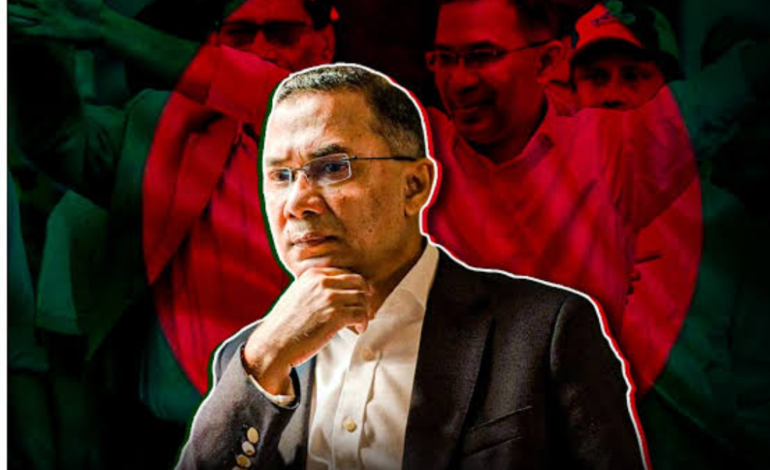

Tarique Rahman Named Among TIME’s 100 Most Influential People: What It Means for Bangladesh
Tarique Rahman has been named among the 100 most influential people in the world in 2026 by TIME Magazine. The inclusion places Bangladesh’s newly elected prime minister alongside some of the most powerful and transformative global figures, signaling a significant moment for the country’s political standing on the world stage.
This recognition comes at a time when Bangladesh is undergoing a profound political and economic transition, with Rahman positioned at the center of that change.
A Global List Featuring Powerful Leaders
TIME’s annual list is widely regarded as one of the most prestigious recognitions of influence, highlighting individuals who shape global politics, business, culture, and society.
In 2026, Tarique Rahman appears alongside prominent global figures such as:
- Donald Trump
- Keir Starmer
- Pope Leo XIV
- Benjamin Netanyahu
- Zohran Mamdani
His inclusion highlights not just personal recognition but also Bangladesh’s growing relevance in global political discussions.
A New Leader in a Transforming Bangladesh
Tarique Rahman’s rise to global prominence is closely tied to Bangladesh’s recent political transformation.
In February 2026, he assumed office as prime minister after his party, the Bangladesh Nationalist Party (BNP), secured a landslide victory in the general election.
This election marked:
- The end of a prolonged authoritarian government
- A transition from an interim government
- A shift toward a new leadership era
Rahman’s leadership is seen as pivotal in shaping Bangladesh’s future, particularly in rebuilding institutions and restoring economic stability.
Why TIME Recognized Tarique Rahman
TIME’s recognition is ceremonial as it reflects Rahman’s growing influence in both domestic and international politics.
According to reports, the magazine highlighted his role as a leader tasked with:
- Uniting a politically divided nation
- Reviving a struggling economy
- Rebuilding democratic institutions
His leadership comes at a critical time when Bangladesh faces challenges such as:
- Inflation and economic pressure
- Governance reforms
- Foreign policy realignment
The recognition suggests that global observers are closely watching how Rahman navigates these challenges.
From Exile to Prime Minister
Tarique Rahman’s political journey is both dramatic and complex.
- He spent nearly 17 years in exile before returning to Bangladesh
- His return followed major political changes after the 2024 uprising
- In 2026, he led his party to a decisive electoral victory
This transition from exile to national leadership has been a defining narrative of his political career.
His rise also marks a generational shift in Bangladesh politics, ending decades of leadership dominated by previous political figures.
“Rewind just a few months and Tarique Rahman was living a carefree life of exile in leafy southwest London. But the 2024 ousting of Bangladesh’s autocratic Prime Minister Sheikh Hasina propelled the 57-year-old from opposition agitator to national leader in waiting a destiny he fulfilled in February by winning an electoral landslide after 17 years estranged from his homeland,” Time Wrote.
“It was a victory that meant Rahman had followed in the footsteps of his mother Khaleda Zia, who was Bangladesh’s first female Prime Minister and who passed away just five days after his return to Dhaka. His grief was still raw when Rahman sat down with TIME in January, though he vowed to channel it into unifying his country of 175 million, while getting South Asia’s second biggest economy buzzing again. Bangladesh is beset by high inflation and youth unemployment, and relations with regional superpower India have reached a historic nadir. All require swift remedy.”
A Defining Moment for Bangladesh
Tarique Rahman’s inclusion in TIME’s reflects Bangladesh’s growing importance in global geopolitics.
Bangladesh, with a population of over 170 million, plays a crucial role in:
- South Asian regional stability
- Global supply chains
- Climate and development discussions
His leadership is expected to influence:
- Economic reforms
- Regional diplomacy
- International partnerships
Global recognition through TIME’s list reinforces Bangladesh’s position as a country to watch in the coming years.
Strengthening Global Perception
Being featured in TIME’s list enhances Bangladesh’s international image.
For decades, global narratives around Bangladesh have often focused on:
- Poverty
- Climate vulnerability
- Political instability
However, this recognition shifts the narrative toward:
- Leadership
- Influence
- Strategic importance
It also signals that Bangladesh is increasingly being viewed as an active player in global affairs, rather than just a developing economy.
Challenges Ahead for Tarique Rahman
Despite the recognition, Rahman faces significant challenges as prime minister.
Economic Recovery
Bangladesh’s economy is under pressure from:
- Global inflation
- Energy shortages
- Currency fluctuations
Political Stability
Maintaining unity in a politically divided landscape remains a key challenge.
Governance and Reform
Expectations are high for:
- Institutional reforms
- Anti-corruption measures
- Improved public services
These challenges will ultimately determine how his influence translates into tangible outcomes.
A Regional and Global Role
Rahman’s leadership also has implications beyond Bangladesh.
In South Asia, Bangladesh plays a strategic role in:
- Trade and connectivity
- Relations with India and China
- Regional security
Globally, Bangladesh is increasingly involved in:
- Climate negotiations
- Development partnerships
- Labor and migration policies
Rahman’s recognition by TIME suggests that his decisions will have regional and international impact, not just domestic consequences.
Public Reaction and Political Significance
The announcement has generated widespread attention in Bangladesh.
Supporters view it as:
- A validation of leadership
- A positive sign for the country’s global standing
Critics, however, argue that:
- Recognition must translate into real reforms
- Leadership should be judged by performance, not titles
Regardless of perspective, the inclusion has sparked national and international discussions about Bangladesh’s future.
Looking Ahead
Tarique Rahman’s inclusion in TIME’s 100 Most Influential People of 2026 marks a significant milestone for both the leader and Bangladesh. It reflects a moment of transition, ambition, and global attention.
As Bangladesh navigates a new chapter in its political history, Tarique Rahman’s leadership will be closely watched both at home and abroad.
The recognition brings prestige, but it also brings responsibility.
Because in the end, influence is not defined by recognition alone, it is measured by the ability to create lasting change.