




Novo Nordisk Eyes Bangladesh as an Insulin Hub: A Turning Point for Healthcare and Biopharma Growth
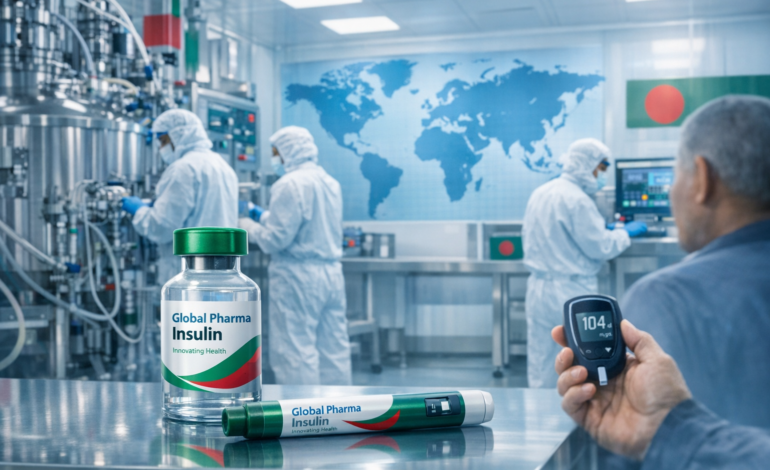
Bangladesh is stepping into a new era of advanced pharmaceutical manufacturing as Novo Nordisk positions the country as a potential global hub for insulin production. This development is more than just a healthcare upgrade as it signals a strategic shift toward high-value biotechnology and export-oriented growth.
With local production of modern insulin now underway through a partnership with Eskayef Pharmaceuticals Ltd, Bangladesh is transitioning from a medicine-importing nation to a rising player in the global biopharmaceutical industry.
A Major Milestone for Bangladesh’s Pharmaceutical Sector
The collaboration between Novo Nordisk and Eskayef marks a critical milestone in Bangladesh’s healthcare and industrial journey. After years of preparation and technology transfer, full-scale production of modern insulin has begun in 2026, reflecting nearly a decade of groundwork.
This initiative is not limited to manufacturing—it represents the development of local capability in producing complex biologic medicines, which require highly controlled environments and advanced processes.
“This is not just about manufacturing… it is about building sustainable capability,” said a senior Novo Nordisk executive to Daily Star, emphasizing the long-term vision behind the move.
Addressing Bangladesh’s Growing Diabetes Crisis
The urgency of this initiative becomes clear when considering Bangladesh’s rising diabetes burden.
- Around 13–15 million people in Bangladesh currently live with diabetes
- The number is projected to reach over 22 million by 2045
Despite this, only a fraction of patients receive proper insulin therapy due to:
- High costs
- Limited availability
- Supply chain disruptions
Local production is expected to significantly improve access by ensuring a stable and affordable supply of insulin, particularly for lower-income patients.
Lower Costs, Greater Access
One of the most immediate benefits of local insulin manufacturing is cost reduction.
Officials have indicated that locally produced insulin could be around 18% cheaper than imported versions, making treatment more accessible for millions.
The cost reduction comes from:
- Eliminating import duties
- Reducing transportation and logistics expenses
- Streamlining supply chains
For a country where healthcare affordability remains a major concern, this shift could be transformative.
From Import Dependence to Self-Reliance
For decades, Bangladesh relied heavily on imported insulin, with Novo Nordisk alone supplying a significant portion of the country’s demand.
The new production model changes that dynamic.
- Bangladesh can now produce modern insulin domestically
- Supply disruptions from global markets can be minimized
- National healthcare resilience is strengthened
This shift aligns with Bangladesh’s broader goal of achieving self-reliance in essential medicines, particularly for non-communicable diseases like diabetes.
Why Bangladesh? Strategic Advantages
Novo Nordisk’s decision to invest in Bangladesh is not accidental. Several factors make the country an attractive destination:
1. Growing Market Demand
With millions of diabetes patients and rising urbanization, Bangladesh offers a large and expanding healthcare market.
2. Proven Manufacturing Capability
Local companies like Eskayef have demonstrated the ability to maintain international quality standards, making them reliable partners.
3. Policy and Institutional Support
Successful coordination between regulators, policymakers, and the private sector enabled smooth technology transfer and project execution.
4. Cost Competitiveness
Bangladesh’s lower production costs provide a competitive edge in global markets.
Entering the World of Biologic Medicines
Insulin production is fundamentally different from traditional pharmaceuticals.
Unlike standard chemical drugs, insulin is a biologic product, which means it requires:
- Advanced fermentation processes
- Sterile manufacturing environments
- Strict quality control systems
Novo Nordisk has transferred proprietary technology from Denmark to ensure that production in Bangladesh meets European Union standards, with each batch verified for global compliance.
This positions Bangladesh within a highly specialized segment of the pharmaceutical industry—one that few developing countries have entered successfully.
Bangladesh as a Future Export Hub
Beyond meeting domestic demand, the long-term vision is even more ambitious.
Novo Nordisk sees Bangladesh as a potential export hub for insulin and other biologic medicines.
- Bangladesh is already exporting human insulin
- Plans are underway to expand exports of modern insulin
- The country could become a regional supplier
“Bangladesh can become not only self-sufficient but also a global supplier,” a company official noted.
This aligns with Bangladesh’s broader economic strategy of moving up the value chain from garments to advanced manufacturing sectors like biotechnology.
Economic Impact: Beyond Healthcare
The implications of this development extend far beyond the health sector.
Job Creation and Skill Development
The initiative includes training local workers in advanced manufacturing processes, creating a skilled workforce in biotechnology.
Foreign Investment Attraction
Successful collaboration with a global leader like Novo Nordisk could attract further investment into Bangladesh’s pharmaceutical sector.
Export Diversification
As Bangladesh seeks to reduce dependence on the garment industry, biopharmaceutical exports offer a promising alternative.
Strengthening Bangladesh’s Global Position
Bangladesh has already established itself as a major exporter of generic drugs. The move into biologics represents the next stage of evolution.
If successful, this initiative could:
- Enhance Bangladesh’s reputation in global healthcare markets
- Position the country as a leader in affordable medicine production
- Strengthen bilateral ties with countries like Denmark
It also demonstrates that Bangladesh can meet strict international quality standards, a key requirement for entering advanced pharmaceutical markets.
Challenges Ahead
While the outlook is promising, several challenges remain:
Maintaining Quality Standards
Biologic medicines require consistent precision. Any compromise in quality could affect both patient safety and export credibility.
Scaling Production
Meeting both domestic and international demand will require continuous investment and expansion.
Regulatory Compliance
Adhering to global regulatory frameworks is essential for export success.
Market Competition
Bangladesh will face competition from established pharmaceutical hubs such as India and China.
A Long-Term Commitment
Novo Nordisk’s involvement in Bangladesh is not new—the company has been present in the country since 1957.
However, this latest move reflects a deeper commitment:
- Expanding beyond supply to local manufacturing
- Investing in capacity building
- Supporting long-term healthcare development
“Our commitment is driven by patients,” a company representative stated, highlighting the human impact behind the business strategy.
Looking Ahead
The decision by Novo Nordisk to position Bangladesh as an insulin hub marks a transformative moment in the country’s healthcare and industrial landscape.
By combining advanced technology, local expertise, and strategic investment, Bangladesh is taking a significant step toward:
- Improving access to life-saving medicines
- Building a high-value pharmaceutical industry
- Strengthening its position in global markets
As the partnership with Eskayef Pharmaceuticals Ltd continues to evolve, the success of this initiative could redefine Bangladesh’s role—not just as a consumer of medicines, but as a global producer of cutting-edge healthcare solutions.