




Rooppur Nuclear Power Plant Begins Operations: A New Era for Bangladesh’s Energy Sector
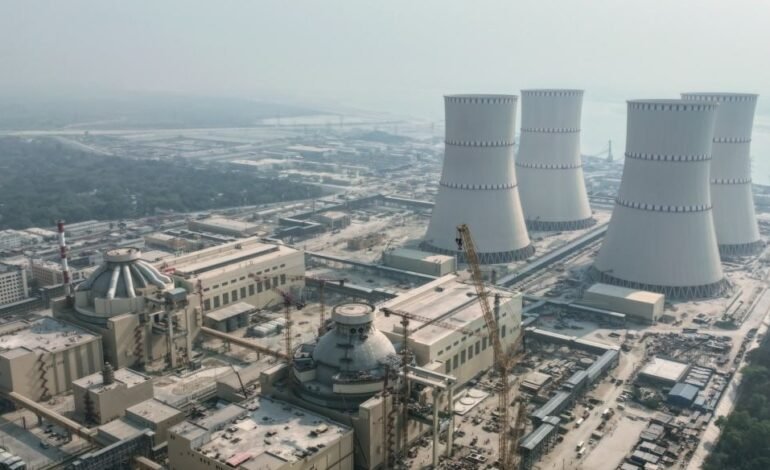

Rooppur Nuclear Power Plant Begins Operations: A New Era for Bangladesh’s Energy Sector
Bangladesh has officially stepped into a new chapter as the Rooppur Nuclear Power Plant begins operations today. This landmark development marks the country’s first-ever venture into nuclear power generation, signaling a major transformation in how electricity will be produced, distributed, and sustained in the coming decades.
The launch follows years of construction which started in 2017, testing, and regulatory approvals, culminating in the successful loading of nuclear fuel and completion of critical commissioning stages.
With operations now underway, Bangladesh joins the global community of nuclear-powered nations as this makes Bangladesh the 33rd country in the world to operate a nuclear power plant, placing it among nations that utilize advanced energy technologies for long-term sustainability.
From Vision to Reality: The Journey of Rooppur
The Rooppur Nuclear Power Plant, located in Ishwardi, Pabna, has long been considered one of Bangladesh’s most ambitious infrastructure projects. The project was designed to address the country’s rapidly growing energy demands while reducing dependence on fossil fuels.
Developed with Russian collaboration, the plant features two VVER-1200 reactors, each capable of producing 1,200 megawatts (MW) of electricity. Once fully operational, the total output will reach 2,400 MW, making it one of the largest power generation facilities in Bangladesh.
Today’s operational launch represents the transition from a construction-driven project to a functioning power plant capable of generating electricity for the national grid.
What “Beginning Operations” Actually Means
The start of operations does not imply immediate full-scale electricity production. Instead, it marks the point at which the reactor begins generating power following a series of highly controlled and technical processes.
Before reaching this stage, the plant successfully completed:
- Fuel loading into the reactor core
- Initial criticality (the first sustained nuclear chain reaction)
- Low-power testing phases
With these milestones achieved, the plant is now producing electricity at an initial level, which will gradually increase over time through a process known as power ascension testing.
This phased approach ensures that all systems function safely and efficiently before reaching full capacity.
How Nuclear Power Works at Rooppur
At the core of the Rooppur plant is nuclear fission, a process of splitting uranium atoms to release energy. The plant uses uranium dioxide fuel enriched with uranium-235, a material capable of sustaining a controlled chain reaction.
Here’s how electricity is generated:
- Nuclear fission produces intense heat
- The heat converts water into high-pressure steam
- The steam spins turbines
- Turbines drive generators to produce electricity
Despite the complexity of the process, the principle is straightforward: converting heat into mechanical energy, and then into electrical power.
One of the most remarkable aspects of nuclear energy is its efficiency. A single uranium fuel pellet roughly the size of a fingertip, can produce as much energy as approximately one tonne of coal. This makes nuclear power one of the most energy-dense sources available.
Gradual Power Expansion: What Comes Next
Although operations have begun, the plant will not immediately run at full capacity. Instead, output will be increased in stages to ensure stability and compliance with safety standards.
Expected Timeline:
- Current Phase: Initial low-level electricity generation
- Mid-2026: Around 300 MW expected to be supplied to the grid
- Full Operation (Unit-1): 1,200 MW after testing completion
- Future Expansion: Unit-2 will add another 1,200 MW
Once both units are operational, Rooppur will contribute significantly to the national grid, helping meet rising electricity demand driven by industrial growth and urbanization.
Why Rooppur Is a Game-Changer for Bangladesh
1. Energy Security
Bangladesh has long faced challenges in ensuring a stable supply of electricity, particularly due to reliance on imported fuels. Nuclear power provides a consistent and reliable source of energy, reducing vulnerability to global fuel price fluctuations.
2. Reduced Dependence on Fossil Fuels
The country currently depends on natural gas, oil, and liquefied natural gas (LNG). Rooppur offers an alternative that minimizes reliance on these resources.
3. Clean Energy Transition
Nuclear power produces electricity without emitting greenhouse gases during operation. This supports Bangladesh’s commitment to reducing carbon emissions and addressing climate change.
4. Long-Term Economic Benefits
While nuclear projects require significant initial investment, they offer lower operating costs over time and provide stable electricity prices, benefiting both industries and consumers.
Safety and Technology: Addressing Key Concerns
Nuclear safety remains a top priority, and the Rooppur plant incorporates advanced safety features in line with international standards.
Key Safety Systems Include:
- Passive cooling systems that function without human intervention
- Core catcher technology designed to contain reactor material in extreme scenarios
- Multiple backup safety layers to ensure operational stability
The plant operates under strict oversight from the Bangladesh Atomic Energy Regulatory Authority (BAERA), which granted approval only after extensive testing and verification.
Additionally, the design and safety protocols align with guidelines set by the International Atomic Energy Agency (IAEA), ensuring global compliance.
Environmental Impact: A Cleaner Energy Future
The operational launch of Rooppur is expected to significantly reduce Bangladesh’s carbon footprint over time. By replacing fossil fuel-based electricity generation, the plant can help lower greenhouse gas emissions and improve air quality.
Environmental Advantages:
- Reduced reliance on coal and oil
- Lower air pollution levels
- Minimal greenhouse gas emissions during operation
However, nuclear energy also requires careful handling of radioactive waste. Bangladesh plans to manage this under strict international safety frameworks, ensuring minimal environmental risk.
Economic and Industrial Implications
The Rooppur Nuclear Power Plant is more than just an energy project—it is a catalyst for economic growth.
Key Economic Benefits:
- Lower energy costs in the long run
- Reduced fuel import bills
- Improved energy reliability for industries
- Attraction of foreign investment
A stable electricity supply is essential for manufacturing, technology, and infrastructure development. Rooppur’s contribution will help sustain Bangladesh’s economic momentum.
Challenges Ahead
Despite its promise, the project also presents challenges that must be carefully managed:
- Ensuring consistent safety and maintenance
- Developing skilled human resources for nuclear operations
- Managing nuclear waste responsibly
- Maintaining financial sustainability
Addressing these challenges will be critical to maximizing the long-term benefits of nuclear energy.
A Defining Moment for Bangladesh
The beginning of operations at the Rooppur Nuclear Power Plant is a defining milestone in Bangladesh’s development journey. It represents years of planning, international collaboration, and investment in advanced technology.
More importantly, it signals a forward-looking approach to energy one that prioritizes sustainability, reliability, and innovation.
As the plant gradually ramps up to full capacity, its impact will extend far beyond electricity generation. It will shape industries, strengthen the economy, and support the country’s vision for a modern, energy-secure future.