
Why Hussaini Dalan Becomes the Center of Muharram in Bangladesh

Hussaini Dalan & Muharram in Bangladesh
Every year, as the Islamic month of Muharram begins, one historic landmark in the heart of Old Dhaka transforms into the spiritual center of one of Bangladesh’s most significant religious observances. Hussaini Dalan, a centuries-old Imambara, becomes the focal point for thousands of devotees who gather to commemorate the martyrdom of Imam Hussain and the tragedy of Karbala.
For many Bangladeshis, Muharram is not simply a religious event. It is a period of remembrance, reflection, history, and community participation. At the center of these observances stands Hussaini Dalan, a structure that has been closely associated with Muharram traditions for nearly four centuries.
From solemn mourning ceremonies to historic Tazia processions, Hussaini Dalan remains the most important venue for Muharram commemorations in Bangladesh. Its significance extends beyond religion, reflecting the country’s rich cultural heritage and long history of Islamic traditions.
Understanding Muharram and the Legacy of Karbala
To understand why Hussaini Dalan occupies such an important place in Bangladesh during Muharram, it is essential to understand the historical event being commemorated.
Muharram is the first month of the Islamic calendar. The tenth day of the month, known as Ashura, marks the anniversary of the Battle of Karbala in present-day Iraq in 680 CE. The battle resulted in the martyrdom of Imam Hussain ibn Ali, the grandson of Prophet Muhammad, along with members of his family and companions. For Muslims around the world, particularly within the Shia tradition, Karbala symbolizes sacrifice, justice, courage, and resistance against oppression. The memory of Karbala has been preserved for centuries through religious gatherings, mourning ceremonies, sermons, and processions. In Bangladesh, Hussaini Dalan serves as the principal location where these traditions are observed.
The History of Hussaini Dalan
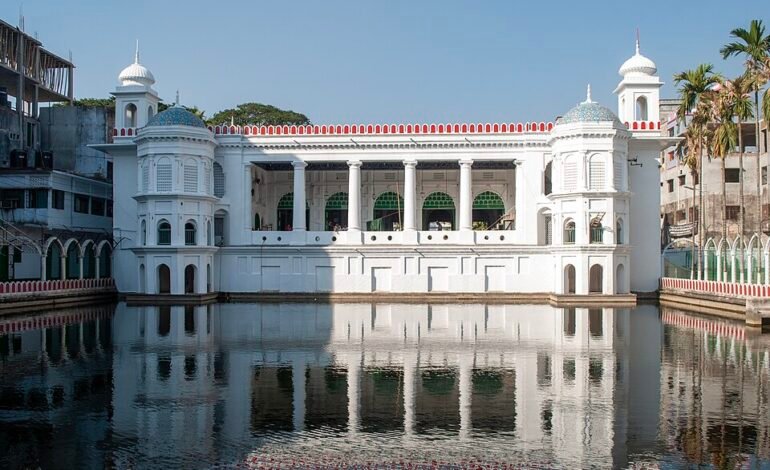
Located in Old Dhaka, Hussaini Dalan is one of the oldest Islamic heritage sites in Bangladesh. Historical records indicate that the structure was built during the Mughal period around 1642. The building was established as an Imambara, a congregation hall used by the Shia Muslim community for religious gatherings and Muharram observances.
Over the centuries, Hussaini Dalan has survived natural disasters, political changes, colonial rule, and urban transformation. Despite these challenges, it has maintained its position as the spiritual heart of Muharram commemorations in Bangladesh. Its enduring presence is one reason why the site continues to attract thousands of worshippers and visitors every year.
Why Hussaini Dalan Holds Special Importance During Muharram
A Historic Center of Mourning
Hussaini Dalan has been hosting Muharram ceremonies for generations. Families often participate in traditions that have been passed down through several generations, creating a strong connection between the site and the annual remembrance of Karbala. For many devotees, attending events at Hussaini Dalan is considered an essential part of observing Muharram.
The Spiritual Connection
The building is dedicated to the memory of Imam Hussain, whose sacrifice forms the foundation of Muharram observances. Religious scholars deliver lectures recounting the events of Karbala and discussing the moral lessons associated with Imam Hussain’s stand against injustice.
These gatherings provide an opportunity for reflection on values such as:
-
- Truth
- Justice
- Sacrifice
- Compassion
- Moral courage
Symbol of Historical Continuity
One reason Hussaini Dalan remains important is its ability to connect present-day Bangladesh with centuries of Islamic history. Every Muharram, the ceremonies conducted there continue traditions that have survived for almost 400 years. This continuity gives the site immense cultural and religious significance.
The Famous Tazia Procession
Perhaps the most visible Muharram tradition associated with Hussaini Dalan is the Tazia procession. A Tazia is a symbolic representation of the mausoleum of Imam Hussain in Karbala. These structures are often beautifully decorated and carried during processions.
Historically, the Tazia procession in Dhaka attracted large crowds and became one of the most recognizable Muharram events in South Asia. The procession begins from Hussaini Dalan and moves through various parts of Old Dhaka, allowing participants to publicly commemorate the events of Karbala. The tradition has become deeply woven into the cultural identity of the city.
Muharram Beyond the Shia Community
Although Hussaini Dalan primarily serves the Shia Muslim community, Muharram observances in Bangladesh often attract participation and interest from people of different backgrounds.
Many visitors attend the ceremonies to:
- Learn about history
- Observe cultural traditions
- Explore heritage sites
- Experience the unique atmosphere of Muharram
This broader participation reflects Bangladesh’s long tradition of religious coexistence and cultural diversity. The events surrounding Muharram often become an opportunity for communities to come together in mutual respect and understanding.
The Architectural Significance of Hussaini Dalan
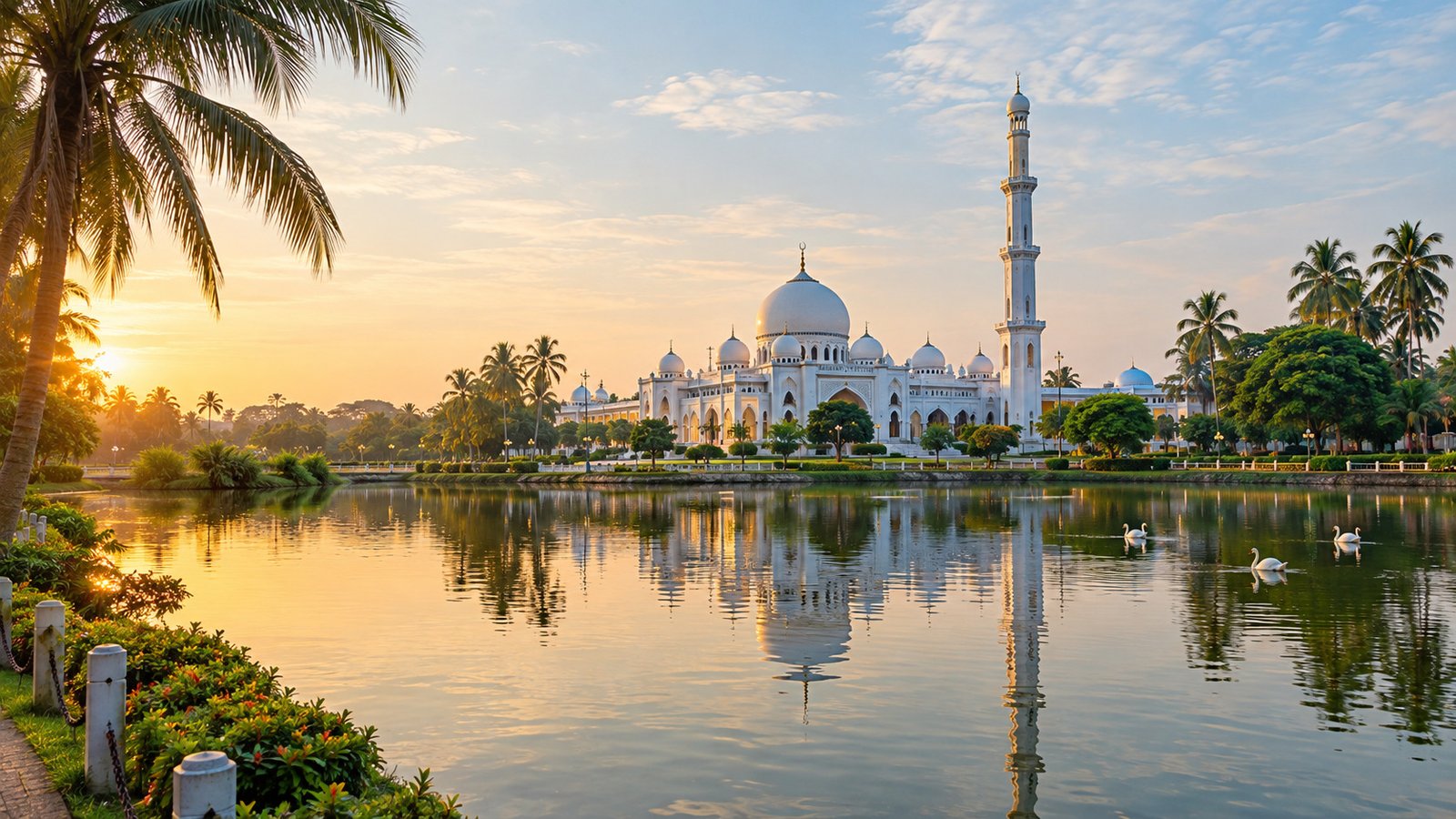
Another reason Hussaini Dalan attracts attention during Muharram is its architectural beauty. The structure combines Mughal-era design elements with local influences.
Notable features include:
- Elegant arches
- Decorative facades
- Spacious courtyards
- A large water reservoir
- Symmetrical design
During Muharram, the building is often illuminated and decorated, creating a visually striking setting for religious ceremonies. For photographers, historians, and tourists, this architectural significance adds another layer of interest to the site.
A Cultural Landmark of Old Dhaka
Hussaini Dalan is not only a religious institution but also one of Old Dhaka’s most important historical landmarks. The surrounding neighborhoods are known for their rich cultural heritage, traditional food, and historic architecture.
During Muharram, the area experiences a unique atmosphere as thousands of people gather for ceremonies and processions. This annual transformation reinforces Hussaini Dalan’s role as both a spiritual and cultural center. For many residents of Old Dhaka, Muharram is an event that defines the identity of their community.
The Lessons of Karbala
One reason the story of Imam Hussain continues to resonate across generations is its universal message. The events of Karbala are often interpreted as a struggle between justice and oppression.
The lessons associated with Imam Hussain’s sacrifice include:
- Standing for truth despite adversity
- Defending principles and values
- Showing patience during hardship
- Demonstrating courage in difficult circumstances
At Hussaini Dalan, these themes are discussed extensively during Muharram gatherings. Many attendees view the commemorations not only as religious obligations but also as opportunities for moral reflection.
Preserving a Four-Century Tradition
As Dhaka continues to modernize, preserving historical landmarks like Hussaini Dalan becomes increasingly important.
The site represents:
- Religious heritage
- Architectural history
- Cultural identity
- Community traditions
Conservation efforts have helped ensure that future generations can continue to observe Muharram in a setting deeply connected to Bangladesh’s past. Preserving Hussaini Dalan is not merely about protecting a building; it is about safeguarding centuries of history and tradition.
The Enduring Significance of Hussaini Dalan
Nearly 400 years after its establishment, Hussaini Dalan remains the beating heart of Muharram observances in Bangladesh.
Its importance stems from a combination of factors:
- Historical legacy
- Religious significance
- Cultural traditions
- Architectural heritage
- Community identity
Each year, thousands of people gather there to remember Karbala and honor Imam Hussain’s sacrifice. The ceremonies held within its walls continue to inspire reflection, devotion, and a sense of connection to one of the most significant events in Islamic history.
Hussaini Dalan occupies a unique place in Bangladesh’s religious and cultural landscape. As the country’s principal center for Muharram observances, it serves as a bridge between past and present, preserving traditions that have endured for nearly four centuries. From solemn mourning ceremonies and historic Tazia processions to lessons of sacrifice and justice, the site continues to play an essential role in commemorating the legacy of Imam Hussain and the tragedy of Karbala.
Every Muharram, Hussaini Dalan becomes more than just a historic building. It becomes a living symbol of faith, remembrance, heritage, and resilience explaining why it remains the undisputed center of Muharram in Bangladesh year after year.