
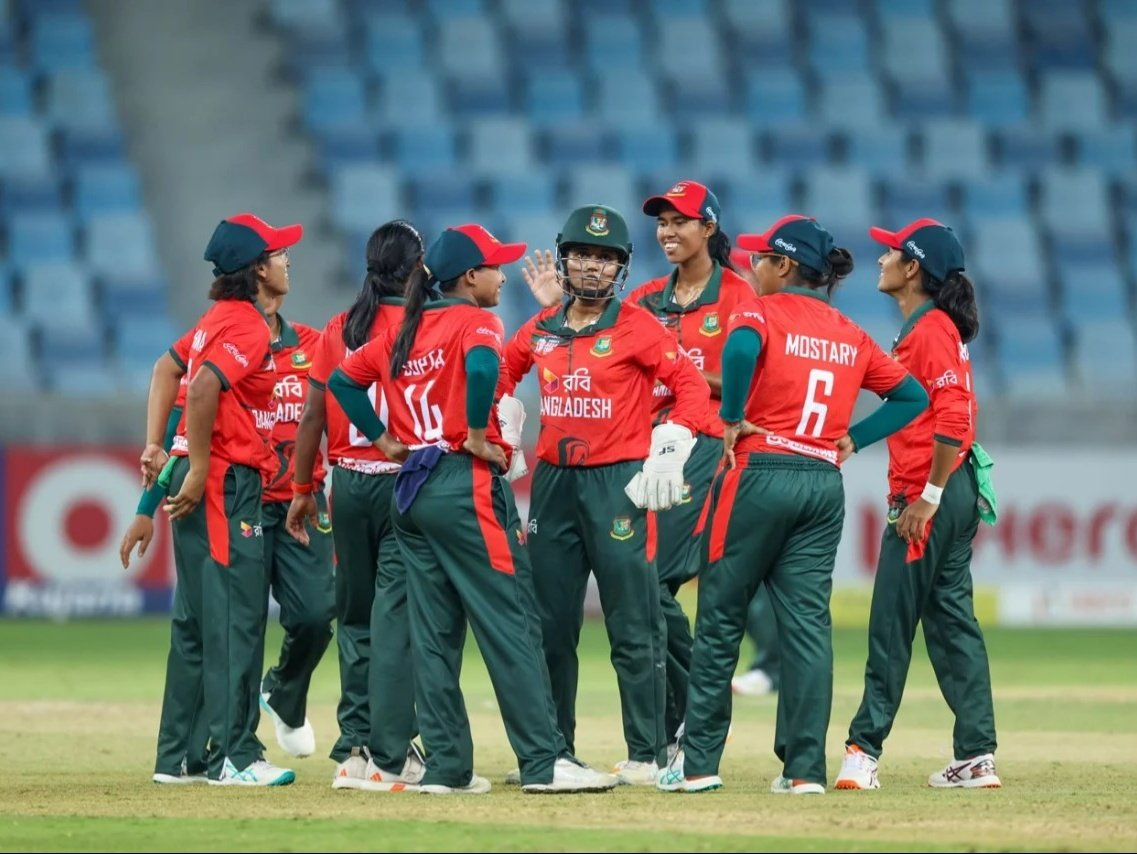
From Austria to Dhaka: The Woman Behind Viqarunnisa Noon School and College
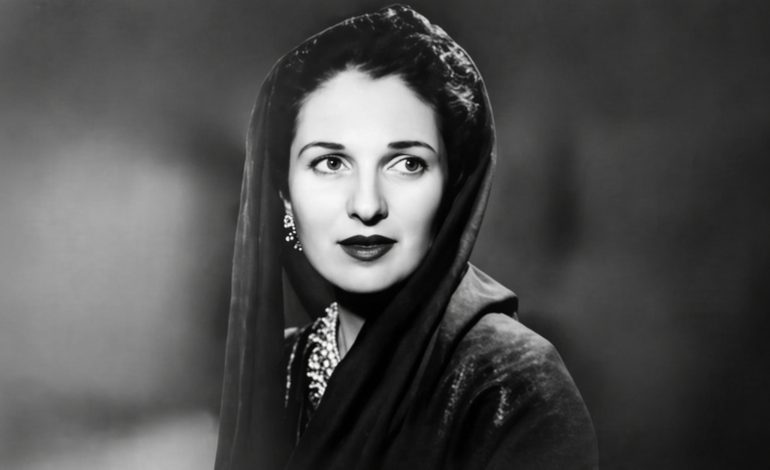

The Inspiring Story Behind Viqarunnisa Noon School and College: A Legacy of Vision and Women’s Empowerment
The history of Viqarunnisa Noon School and College is more than the story of a prestigious educational institution in Bangladesh. It is a narrative rooted in vision, courage, cultural transformation, and the unwavering determination of a remarkable woman who crossed continents to redefine girls’ education in South Asia.
From its humble beginnings in the early 1950s to its current status as one of the most respected institutions in Bangladesh, the school stands as a symbol of progressive thinking in a society that was once hesitant to embrace formal education for women.
A European Beginning: The Early Life of Viqar-un-Nisa Noon
The story begins in Europe. Viqar-un-Nisa Noon was born in Austria in 1920 as Victoria. She later moved to England, where she grew up in a modern, educated environment that emphasized independence, discipline, and intellectual development.
Her life took a dramatic turn in 1945 when she met Feroz Khan Noon in London. Despite a significant age difference, the two formed a deep connection and eventually married. After converting to Islam, she adopted the name Viqar-un-Nisa Noon, which translates to “the excellence of women”, a name that would later define her legacy.
Political Awakening and Role in the Pakistan Movement
Following her marriage, Viqar-un-Nisa moved to the Indian subcontinent and became actively involved in political and social causes. She was deeply engaged in the Pakistan Movement and worked closely with the women’s wing of the Muslim League.
During the turbulent years leading up to the Partition of India, she played an active role in mobilizing women and raising awareness about political rights and social responsibilities. Her activism was not without consequences she faced imprisonment multiple times due to her involvement.
After the partition in 1947, millions were displaced, and the newly formed Pakistan faced immense humanitarian challenges. Viqar-un-Nisa worked tirelessly in refugee rehabilitation, particularly focusing on women and children who had been severely affected by the upheaval. These experiences deeply shaped her understanding of social inequality and the urgent need for women’s empowerment through education.
Arrival in Dhaka and Identifying a Critical Gap
In the early 1950s, Viqar-un-Nisa arrived in Dhaka, then part of East Pakistan. What she observed there was a significant educational disparity. While some opportunities existed for boys, structured, modern education for girls especially from conservative Muslim families was extremely limited.
Cultural norms often discouraged girls from attending school beyond a basic level. Many families feared that formal education might conflict with traditional values. Recognizing this gap, Viqar-un-Nisa saw an opportunity to create meaningful change.
The Foundation: Transforming a Small Preparatory School
In 1952, she took charge of a modest institution known as Ramna Preparatory School. At the time, it had limited infrastructure, minimal resources, and a small number of students. However, Viqar-un-Nisa viewed it not as a limitation, but as a starting point.
Her approach was strategic and transformative:
Curriculum Reform
She introduced a modern curriculum that balanced English-language education with strong foundations in science, mathematics, and humanities. This approach ensured that students were not only academically competent but also globally aware.
Discipline and Structure
Drawing from her European upbringing, she implemented strict discipline, punctuality, and organized academic routines. These elements became defining characteristics of the institution.
Building Trust with Families
One of her biggest challenges was convincing parents to send their daughters to school. She engaged directly with families, assuring them that education would not undermine cultural values but instead strengthen their daughters’ futures.
Her efforts quickly began to yield results. Enrollment increased, and the school started gaining a reputation for quality education and disciplined management.
A New Identity: Viqarunnisa Noon School
As the institution expanded, it was renamed Viqarunnisa Noon School in recognition of her leadership and contribution. This marked a turning point not just for the school, but for girls’ education in the region.
The school soon evolved into a full-fledged academic institution, eventually becoming Viqarunnisa Noon School and College. It began offering education from primary levels up to higher secondary, making it a comprehensive educational hub for girls.
Changing Social Norms Through Education
The impact of Viqar-un-Nisa Noon’s work extended far beyond the classroom. At a time when educating girls was not widely accepted, her institution played a crucial role in changing societal perceptions.
Empowering Women
The school encouraged young girls to think independently, pursue higher education, and aspire to professional careers.
Creating Role Models
Graduates of the institution went on to become leaders in various sectors, including education, government, business, and the arts.
Setting a Standard
The success of the school inspired the establishment of other girls’ educational institutions across the region, contributing to a broader cultural shift.
Expansion and Continued Excellence
Over the decades, Viqarunnisa Noon School and College has grown into one of the most prestigious educational institutions in Bangladesh. With multiple campuses and thousands of students, it continues to uphold the principles established by its founder.
The institution is known for:
- Academic excellence
- Strong discipline and ethical values
- A wide range of extracurricular activities
- Consistent performance in national examinations
It has maintained its reputation as a top-tier institution, attracting students from diverse backgrounds while continuing to emphasize the importance of women’s education.
The Broader Legacy of Viqar-un-Nisa Noon
While her contributions to education are perhaps her most enduring legacy, Viqar-un-Nisa Noon’s life reflects a broader commitment to social progress. As the spouse of Feroz Khan Noon—who later served as Prime Minister of Pakistan—she had access to political influence. However, she chose to focus on grassroots impact, particularly in areas affecting women.
Her work demonstrates how individual initiative can lead to systemic change. By addressing a single issue lack of access to girls’ education she helped transform an entire social landscape.
Why Her Story Still Matters Today
In today’s world, where education is widely recognized as a fundamental right, it is easy to overlook the struggles that made it accessible. The story of Viqarunnisa Noon School and College serves as a reminder that progress often begins with one person’s vision.
Her journey highlights several key lessons:
- Education is a powerful tool for social transformation
- Cultural barriers can be challenged through persistence and dialogue
- Institutional change requires both vision and execution
The story behind Viqarunnisa Noon School and College is not just about the establishment of a school, it is about redefining possibilities. From a small preparatory institution in 1952 to a leading educational powerhouse today, its journey reflects the impact of visionary leadership.
Viqar-un-Nisa Noon did not merely build an institution; she built a legacy that continues to shape the future of countless women in Bangladesh.
Her contribution stands as a testament to the idea that meaningful change often begins with recognizing a problem and having the courage to solve it.