




Tk 33,474 Crore Padma Barrage Project Set for Government Approval: What It Means for Bangladesh

Tk 33,474 Crore Padma Barrage Project Set for Government Approval: What It Means for Bangladesh
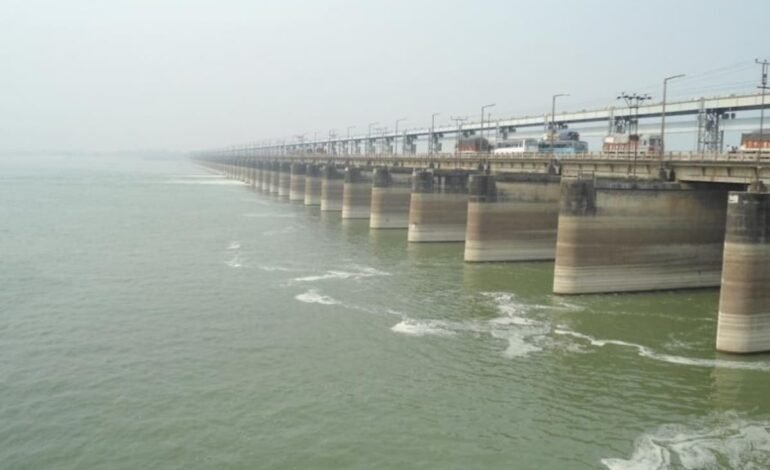
Bangladesh is moving closer to one of its most ambitious water management and infrastructure projects in recent years as the proposed Padma Barrage project, estimated to cost Tk 33,474 crore, is expected to receive government approval soon.
The mega project is being viewed as a transformative initiative for southwestern Bangladesh, particularly for regions that frequently struggle with water shortages, salinity intrusion, declining agricultural productivity, and climate-related challenges.
Officials believe the Padma Barrage could significantly improve irrigation capacity, support agriculture, strengthen food security, and enhance river management in a large part of the country. At the same time, experts say the project also carries major economic, environmental, and engineering implications that will shape Bangladesh’s future water strategy.
As Bangladesh faces increasing climate pressures and growing demand for sustainable water resources, the Padma Barrage is emerging as a critical national infrastructure priority.
What Is the Padma Barrage Project?
The proposed Padma Barrage will be constructed on the Padma River near Rajbari and Pangsha areas. The project aims to regulate water flow and improve freshwater availability across southwestern Bangladesh.
According to planning documents, the project includes:
- A large barrage structure across the river
- Irrigation systems and canals
- Water control infrastructure
- River management facilities
The initiative is expected to provide irrigation support to vast agricultural lands in the southwest region, where farmers often face seasonal water scarcity and salinity problems.
The estimated cost of the project stands at Tk 33,474 crore, making it one of the country’s largest water infrastructure undertakings.
Why Southwestern Bangladesh Needs the Project
The southwestern region of Bangladesh has long faced serious environmental and agricultural challenges.
Key issues include:
- Dry-season water shortages
- Increasing salinity in rivers and soil
- Reduced crop productivity
- Climate change impacts
- Shrinking freshwater availability
Many districts in the region rely heavily on agriculture, but insufficient freshwater during dry months affects farming activities and rural livelihoods.
Climate change has further intensified these problems through:
- Sea-level rise
- Salinity intrusion
- Irregular rainfall patterns
- Extreme weather events
The Padma Barrage project is intended to address these issues by ensuring a more stable freshwater supply throughout the year.
Boosting Agriculture and Food Security
Agriculture remains one of the most important sectors of Bangladesh’s economy, employing millions of people directly or indirectly.
Officials believe the Padma Barrage could significantly increase irrigation coverage in southwestern districts, helping farmers:
- Grow more crops annually
- Improve productivity
- Reduce dependence on unpredictable rainfall
- Expand cultivation during dry seasons
This could have major implications for national food security.
Bangladesh has made remarkable progress in agricultural production over the past few decades, but climate vulnerability remains a major concern. Sustainable irrigation systems are increasingly seen as essential for maintaining long-term food production.
The barrage could therefore become a strategic agricultural infrastructure project rather than just a river management initiative.
Water Management Becoming a National Priority
Bangladesh is one of the world’s most river-dependent countries, with hundreds of rivers shaping its economy, agriculture, transportation, and environment.
However, managing water resources has become increasingly complex due to:
- Climate change
- Upstream water issues
- Population growth
- Urbanization
- Industrial demand
Experts say large-scale water infrastructure projects are becoming more important as Bangladesh attempts to adapt to future climate risks.
The Padma Barrage is part of a broader national conversation about:
- Water security
- Climate adaptation
- Sustainable agriculture
- Regional development
If implemented successfully, it could become a major component of Bangladesh’s long-term climate resilience strategy.
Economic Significance of the Project
A Tk 33,474 crore project represents a massive investment for Bangladesh.
Large infrastructure initiatives like this often generate:
- Employment opportunities
- Regional economic activity
- Construction sector growth
- Improved agricultural output
- Long-term productivity gains
The southwestern region could particularly benefit from improved irrigation and economic development opportunities connected to the project.
At the same time, economists note that such mega projects also require careful financial planning because of:
- Rising debt concerns
- Inflationary pressure
- Foreign currency constraints
- Large implementation costs
Balancing development ambitions with fiscal sustainability remains an important challenge for Bangladesh.
Environmental Questions and Concerns
While supporters see the Padma Barrage as a transformative project, environmental experts have raised important concerns.
Large river-control structures can affect:
- Natural river ecosystems
- Fish migration patterns
- Sediment flow
- Wetland environments
- Biodiversity
Bangladesh’s river systems are highly dynamic, and changes in river flow can have long-term ecological consequences.
Environmental analysts stress the importance of:
- Comprehensive environmental impact assessments
- Sustainable water management planning
- Community consultation
- River ecosystem protection
Managing these concerns effectively will be essential to ensuring the project delivers long-term benefits without causing unintended environmental damage.
Lessons From Other Mega Projects
Bangladesh has completed several major infrastructure projects in recent years, including:
- The Padma Bridge
- Metro rail systems
- Expressways
- Power plants
These projects have demonstrated the country’s growing engineering and implementation capacity.
However, they have also highlighted common challenges such as:
- Cost increases
- Delays
- Land acquisition complications
- Environmental concerns
Experts say the Padma Barrage project will require strong governance, technical expertise, and transparent management to avoid similar issues.
Climate Change and the Future of Water Infrastructure
Climate change is expected to significantly affect Bangladesh’s water systems in the coming decades.
Potential future risks include:
- Increased flooding
- Drought conditions
- Salinity expansion
- River erosion
- Unpredictable rainfall patterns
As a low-lying delta nation, Bangladesh is among the countries most vulnerable to climate impacts.
Projects like the Padma Barrage are increasingly being viewed through the lens of climate adaptation infrastructure.
The government hopes improved water control and irrigation systems can strengthen resilience in climate-sensitive regions.
Regional Development Potential
Southwestern Bangladesh has historically lagged behind some other parts of the country in terms of industrial and infrastructure development.
Improved water management could support:
- Agriculture-based industries
- Fisheries
- Rural employment
- Transport and connectivity improvements
- Economic diversification
The project could therefore have broader development impacts beyond irrigation alone.
Regional economic growth is considered important for reducing inequality and improving rural livelihoods across Bangladesh.
Public Expectations and Political Importance
Mega projects in Bangladesh often carry strong political and public significance.
The Padma Barrage project is likely to become a major symbol of:
- Development planning
- Climate adaptation
- Agricultural modernization
- Regional investment
If completed successfully, it could become another landmark infrastructure achievement for the government.
However, public expectations are also high regarding:
- Transparency
- Environmental protection
- Fair compensation
- Efficient implementation
Meeting these expectations will be critical for the project’s long-term credibility.
Challenges Ahead
Despite its potential benefits, the project faces several major challenges:
- Massive financing requirements
- Complex engineering demands
- Environmental risks
- River management difficulties
- Long implementation timelines
Bangladesh’s river systems are among the most complicated in the world, making large hydraulic projects technically demanding.
The success of the Padma Barrage will depend not only on construction but also on long-term maintenance and sustainable water governance.
In a Nutshell
The proposed Tk 33,474 crore Padma Barrage project represents one of Bangladesh’s most ambitious attempts to address water security, climate resilience, and agricultural sustainability in southwestern regions.
Supporters believe the project could transform irrigation systems, strengthen food production, and improve economic conditions for millions of people. At the same time, experts emphasize the importance of environmental protection, transparent planning, and sustainable river management.
As Bangladesh continues confronting climate change and growing development pressures, the Padma Barrage may become a defining test of the country’s ability to balance infrastructure growth with ecological and economic sustainability.