
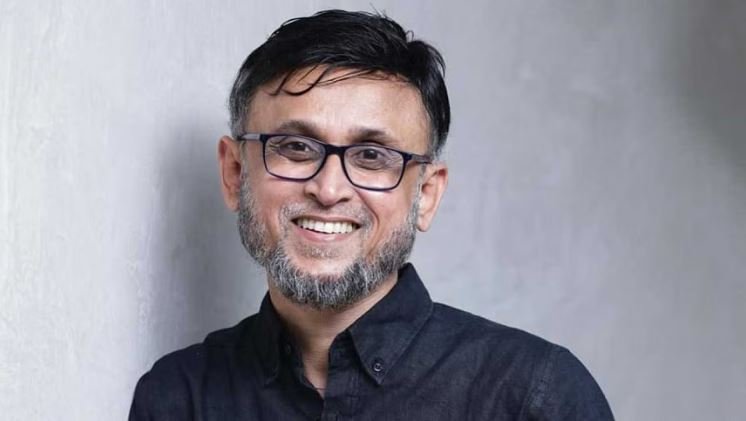

Mostofa Sarwar Farooki: A Filmmaker Shaping Bangladesh’s Cultural Future
Mostofa Sarwar Farooki is one of the most influential filmmakers in Bangladesh. As a director, screenwriter and producer, he has helped bring modern stories and realistic characters to Bangladeshi cinema. His films often explore love, family, politics, identity and social change.
Farooki’s work stands out because it feels close to real life. His characters do not always behave like traditional movie heroes. They make mistakes, face pressure and struggle with difficult choices. This honest approach has helped him connect with both Bangladeshi audiences and international viewers.
Early Life and Creative Journey
Mostofa Sarwar Farooki was born on May 2, 1973, in Dhaka’s Nakhalpara area. The busy streets, close communities and changing urban life of Dhaka influenced his creative outlook. These experiences later appeared in the locations, dialogue and characters of his films.
Before entering feature films, Farooki became known for his work in television. He directed popular productions such as 51 Borti, 69, 420, Choruivati and Carrom. These projects helped him develop a distinct storytelling style and reach a large audience. He later founded Chabial, a group that brought together young filmmakers and television creators. Chabial became associated with fresh ideas, natural dialogue and stories that reflected the lives of ordinary people. It also played a role in creating a new generation of Bangladeshi screen talent.
Films That Built His Reputation
Farooki made his feature-film debut with Bachelor. Released in 2004, the film focused on young people living in Dhaka. It explored friendship, romance, family expectations and the pressure created by social rules.
The film became important for its modern setting and youthful characters. It also introduced audiences to a new kind of Bangladeshi urban storytelling. Bachelor received attention at several international film festivals.
Farooki followed it with Made in Bangladesh, a political satire about unemployment, frustration and public life. Instead of presenting politics through a formal drama, the film used humour and absurd situations to show how ordinary people experience political systems.
His later films continued to examine difficult subjects. Third Person Singular Number explored the challenges faced by a woman trying to live independently. Television presented a conflict between traditional beliefs and modern communication. Doob: No Bed of Roses examined family relationships, grief and emotional distance.His film Saturday Afternoon, also known as Shonibaar Bikel, used a single-location setting to create a tense story about fear, violence and human survival. The film received international recognition and showed Farooki’s interest in experimental storytelling.
A New Role in Cultural Affairs
In November 2024, Mostofa Sarwar Farooki joined Bangladesh’s interim government as Adviser to the Ministry of Cultural Affairs. He was officially a cultural affairs adviser, although the role placed him in charge of the ministry’s work. He took the oath under the interim government led by Chief Adviser Muhammad Yunus.
Farooki said he accepted the position because he wanted to contribute during a period of national reconstruction. He also said that the opportunity to work with Professor Muhammad Yunus influenced his decision.
His appointment created both interest and debate. Some people welcomed the decision to bring a leading artist into public service. Others questioned the appointment and raised concerns about his political history and public role. Farooki responded that people should judge him by his work and not only by his position. His role was significant because it connected the creative sector with government policy. As a filmmaker, Farooki understood the difficulties faced by artists, writers, actors, musicians and independent creators. His experience gave him a direct view of the challenges facing Bangladesh’s cultural institutions.
Farooki’s Contribution to Bangladesh’s Culture
Farooki has consistently advocated for a more open and inclusive cultural environment. He has spoken about the importance of freedom of expression and the need for artists to create without fear. He has also supported the idea that Bangladesh’s cultural identity should include people from different religions, languages, regions and social backgrounds.
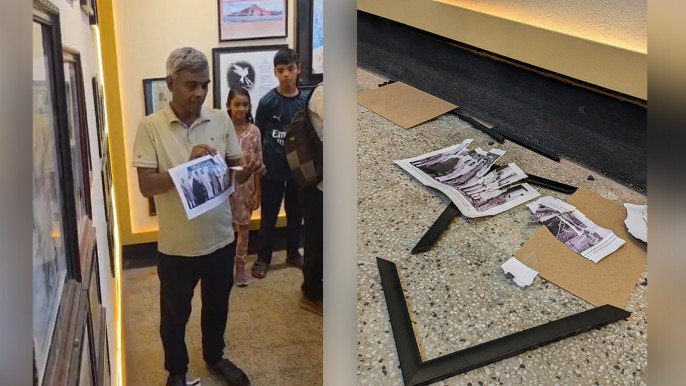
As cultural affairs adviser, he promoted several programmes designed to increase public participation in culture. These included a nationwide talent search, a youth festival, creative writing workshops and a digital oral history project. The plans also included improved visual technology at the National Museum and workshops for new show creators.
One of the proposed initiatives aimed to discover young talent across Bangladesh. This was important because many talented children and young adults do not have access to major cultural centres in Dhaka. A nationwide programme could give them opportunities in film, theatre, music, writing, photography and other creative fields.
The ministry also planned workshops across different divisions of Bangladesh. These workshops were intended to support young filmmakers and theatre artists. Such projects could help cultural activities move beyond the capital and reach communities across the country.
Farooki also highlighted the need to preserve public memory. The proposed digital oral history project focused on recording and archiving people’s experiences. Digital archives can help future generations understand the events, struggles and cultural movements that shaped Bangladesh.
His cultural vision was not limited to films. It included literature, theatre, music, museums, television, digital content and local talent. This wider approach reflected his belief that culture should be active, diverse and accessible to everyone.
Why His Work Matters
Mostofa Sarwar Farooki’s importance comes from more than his filmography. He has helped change the way Bangladeshi stories are presented on screen. His films use everyday settings, direct dialogue and morally complex characters.
He also encourages audiences to think about society. His stories often raise questions about power, freedom, family and identity. Instead of giving easy answers, they show how difficult these issues can be in real life. Farooki’s contribution is also visible in his support for new talent. Through Chabial, television projects, workshops and cultural initiatives, he has helped create space for young creators. His work shows that the future of Bangladeshi culture depends on both established artists and emerging voices.
His View of Cultural Diversity
Farooki has called for cultural bridges in Bangladesh. He has argued that no one should be excluded because of religion, language or background. This view is important in a country with a rich mixture of folk traditions, regional identities, religious communities and artistic practices.Bangladesh’s culture includes Baul music, folk theatre, poetry, cinema, classical music, modern songs, crafts and regional storytelling. It also includes the work of writers, painters, photographers, performers and digital creators.
Farooki’s public advocacy supports the idea that these traditions should not be treated as separate from modern culture. Instead, they can exist together and influence one another. A modern Bangladeshi cultural policy can protect traditional art while also supporting new forms of expression.
A Filmmaker With an International Audience
Farooki’s films have appeared at major international festivals. Television received the Jury Grand Prize at the Asia Pacific Screen Awards. Doob: No Bed of Roses won the Dubai Film Market Award and the Kommersant Jury Prize at the Moscow International Film Festival. Saturday Afternoon also received international festival recognition.
He has represented Bangladesh on the international film circuit and served on international festival juries. His films have helped foreign audiences see Bangladesh through stories about ordinary people rather than through stereotypes.
His international recognition is important for Bangladeshi cinema. It shows that local stories can reach global audiences when they are told with strong characters and clear emotion. Farooki’s films use Bangladeshi settings and social realities, but their themes are easy to understand across borders.
The Films of Mostofa Sarwar Farooki
Mostofa Sarwar Farooki has directed a number of important films. His best-known works include:
- Bachelor (2004)
- Made in Bangladesh (2007)
- Third Person Singular Number (2009)
- Television (2012)
- Ant Story or Pipra Bidya (2013)
- Doob: No Bed of Roses (2017)
- Saturday Afternoon or Shonibaar Bikel
- No Land’s Man
A Lasting Influence on Bangladesh’s Culture
Mostofa Sarwar Farooki is a filmmaker who has continued to challenge familiar ideas about Bangladeshi cinema. His films reflect the energy, conflict and uncertainty of a changing society.His appointment as cultural affairs adviser added a new chapter to his career. It placed a filmmaker inside the public system responsible for supporting Bangladesh’s cultural life.
Whether through films, television, cultural policy or public advocacy, Farooki has continued to argue for a more open and creative Bangladesh. His career remains closely connected to the country’s changing cultural identity.