

Shashi Lodge: The Royal Marvel Shaping Mymensingh’s History

Shashi Lodge: The Royal Palace That Still Tells Mymensingh’s Story
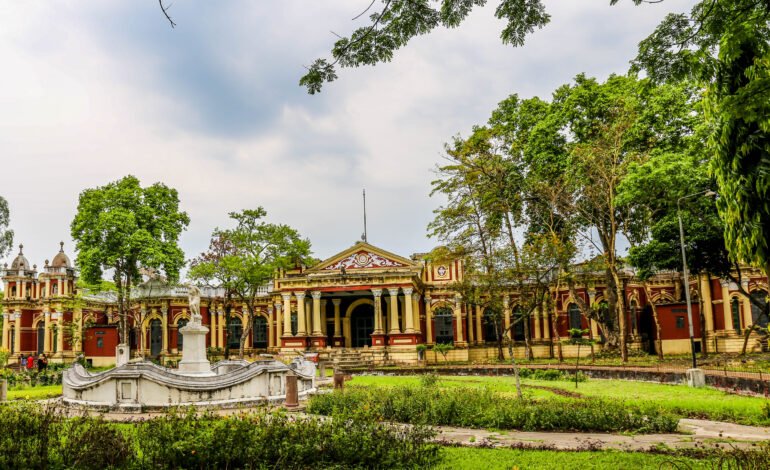
Shashi Lodge in Mymensingh stands out as one of the most remarkable remnants of the zamindari period in Bangladesh. Also known as the Mymensingh Rajbari, this magnificent palace once represented the wealth, influence, and artistic taste of the Acharya family.
Located near the Brahmaputra River in the heart of Mymensingh city, Shashi Lodge combines grand architecture, landscaped gardens, marble work, and stories of the region’s aristocratic past. Today, it is an important archaeological site and a reminder of a time when the city was shaped by powerful zamindar families.
The History Behind Shashi Lodge
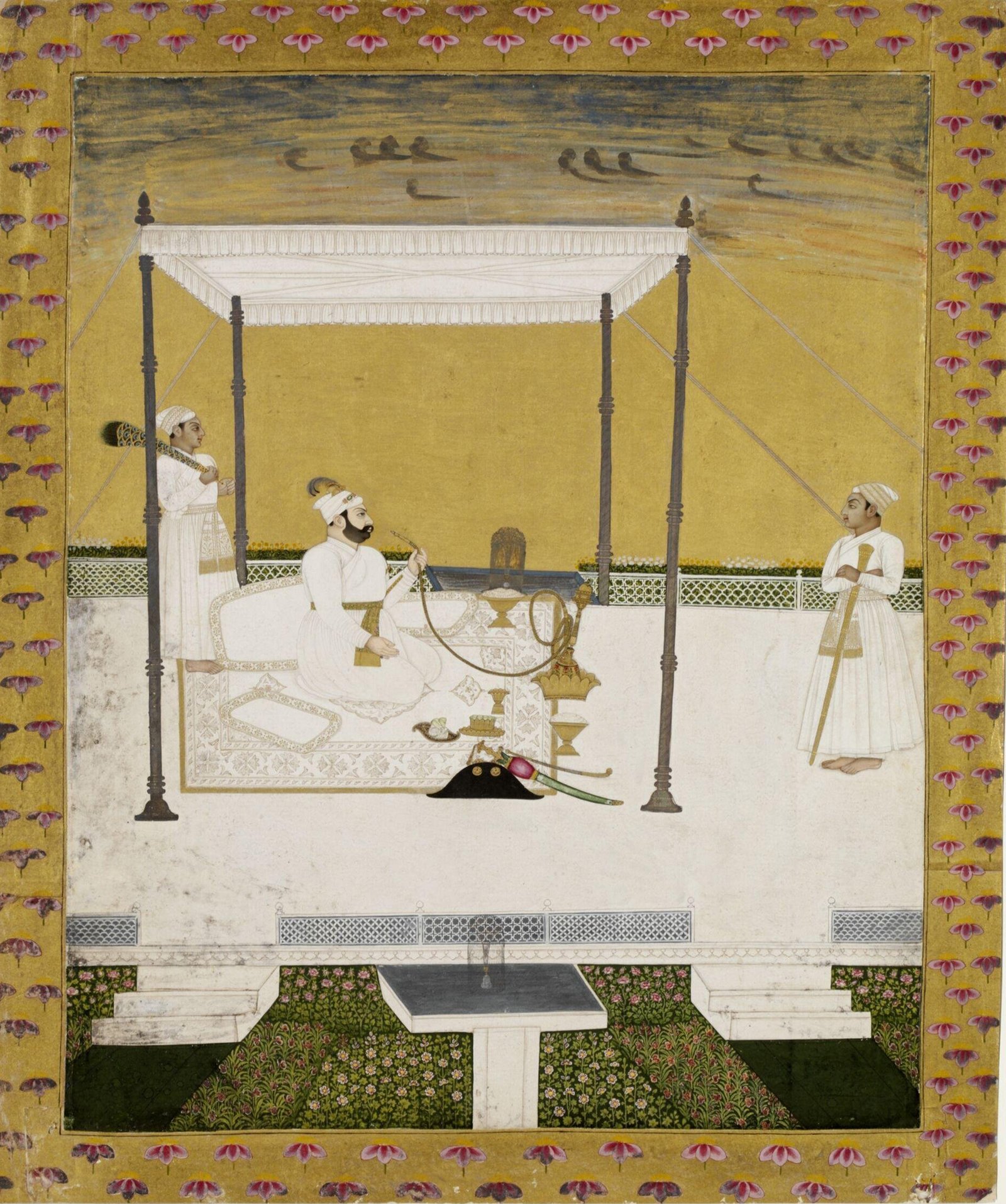
The story of Shashi Lodge is closely connected to the Muktagacha Zamindari Estate and the Acharya family. One of its most prominent figures was Maharaja Suryakanta Acharya Chowdhury, who played an important role in developing the estate and contributed to several philanthropic and architectural projects in Mymensingh.
During the late 19th century, Suryakanta built a grand two-storied mansion on a large tract of land in the city. The palace was named Shashi Lodge after his adopted son, Shashikanta Acharya Chowdhury. However, the original building did not survive for long. The devastating earthquake of 1897 severely damaged the mansion. Years later, in 1905, Shashikanta rebuilt the palace at the same location with a new design. Further renovation and decoration continued until 1911, transforming the property into the impressive palace that visitors recognize today. Beyond its grand interior craftsmanship, the palace’s external features offer an equally captivating look into its royal splendor such as:
- A Palace Inspired by European Elegance: One of the most striking aspects of Shashi Lodge is its architecture. The palace reflects a combination of local craftsmanship and European influence, which was common among wealthy zamindar families during the British period. The entire complex covers roughly nine acres, with the main building surrounded by gardens and other structures. The imposing entrance gateway features 16 domes, immediately giving visitors a sense of the grandeur of the estate. Inside, Shashi Lodge contains spacious rooms, decorated doors and windows, marble flooring, elaborate woodwork, and large chandeliers. A large hall was originally used as a ballroom, providing a glimpse into the luxurious social life of the zamindar family. The palace was also decorated with items brought from different parts of Europe, particularly Paris and other European centers. These details demonstrate how the aristocratic families of Bengal incorporated European artistic influences into their residences while maintaining the character of traditional Bengali palace architecture.
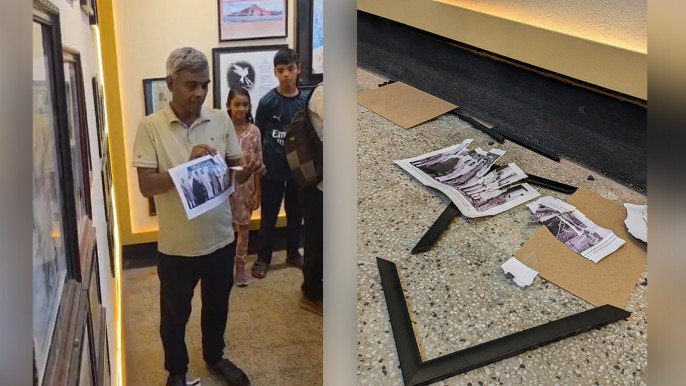
- The Famous Venus Statue: For generations, one of the most recognizable features of Shashi Lodge was the marble statue of Venus, the Roman goddess of love and beauty. The white marble sculpture stood in the middle of a fountain in the palace garden and became one of the main attractions of the complex. Its presence added an unusual European artistic element to the historic palace and made the garden particularly memorable to visitors. The statue, however, became the victim of vandalism on 5 August 2024. After news of political unrest spread that afternoon, a group entered the Shashi Lodge premises and damaged the sculpture. The head was taken away, while other broken pieces were later recovered. The incident left a significant gap in the palace’s historic landscape. Even today, the missing head of the Venus statue remains a painful reminder of how vulnerable cultural heritage can be.
- The Gardens, Pond and Bathing Pavilion: Shashi Lodge is more than just its main palace building. The surrounding landscape is an important part of its historical character. A large garden once welcomed visitors after they passed through the grand entrance. The fountain and Venus sculpture stood prominently within this open space, while other gardens and greenery surrounded the palace. Behind the main building is an old pond with a two-storied marble bathing pavilion. The pond is accompanied by marble-paved bathing ghats, adding another unusual feature to the Shashi Lodge complex. These structures offer an interesting glimpse into the lifestyle of the zamindar family. The palace was designed not simply as a residence, but as a complete estate where architecture, gardens, water bodies, entertainment spaces, and private facilities came together.
A Glimpse into the Zamindari Lifestyle
Walking through Shashi Lodge gives visitors an opportunity to imagine the lifestyle of Bengal’s wealthy zamindar families more than a century ago. The spacious rooms, ballroom, chandeliers, gardens, marble structures, and decorative features all point toward a period of considerable wealth and social influence. The palace was designed to impress, but it also served as a place for everyday life, entertainment, and social gatherings.
The architecture therefore tells a story beyond bricks and marble. It reflects the changing tastes of the Bengal aristocracy during the British colonial period and their growing fascination with European design.
From Zamindar Palace to Teachers’ Training Centre
The end of the British Raj and the abolition of the zamindari system dramatically changed the fate of Shashi Lodge. After the East Bengal State Acquisition and Tenancy Act of 1950 abolished the zamindari system, the palace lost its original function as a zamindar residence. From 1952, Shashi Lodge was used as a training centre for women teachers. For decades, the historic building continued to serve this educational purpose. However, as the structure deteriorated over time, it eventually ceased to function as a training centre.
This transition from royal residence to educational institution reflects the changing social and political landscape of Bengal after the end of zamindari rule.
Shashi Lodge Becomes an Archaeological Site
Recognizing the historical and architectural importance of the complex, the Department of Archaeology declared Shashi Lodge a protected monument in 1989. Later, on 4 April 2015, the Directorate of Archaeology formally acquired the property with plans to establish a museum there. The move was intended to preserve the historic palace and make its heritage accessible to visitors.
Today, Shashi Lodge functions as an important heritage destination in Mymensingh, attracting visitors interested in the city’s history, architecture, and zamindari past.
The Importance of Preserving Shashi Lodge
Historical buildings like Shashi Lodge are valuable because they provide a physical connection to Bangladesh’s past. Books can describe the zamindari system, colonial Bengal, and the social changes of the period, but buildings such as Shashi Lodge allow visitors to experience a part of that history directly. The damage to the Venus sculpture in 2024 also highlighted the importance of protecting cultural heritage. The broken pieces of the sculpture were preserved, but its missing head has not been recovered, and questions about restoration have remained.
Preserving Shashi Lodge therefore requires more than maintaining the main building. Its gardens, pond, marble structures, decorative elements, and remaining artifacts are all part of the heritage that makes the complex unique.
A Historical Landmark of Mymensingh
Shashi Lodge has witnessed more than a century of change. It survived the destruction caused by a major earthquake, the end of British rule, the abolition of zamindari, the creation of Pakistan, the birth of Bangladesh, and its transformation from a private palace into a heritage site. Its grand entrance, 16 domes, spacious rooms, gardens, pond, and marble structures continue to attract visitors who want to see a different side of Mymensingh’s history.
More than just an old palace, Shashi Lodge is a reminder of the people, lifestyles, architecture, and social changes that shaped this part of Bengal. As Mymensingh continues to grow as a modern city, preserving landmarks like Shashi Lodge can ensure that its connection with the past is not lost. Shashi Lodge may no longer be a royal residence, but its walls still tell the story of a bygone Mymensingh and that is what makes it worth preserving.