
May Day: The Hands That Build Bangladesh

May Day: The Hands That Build Bangladesh
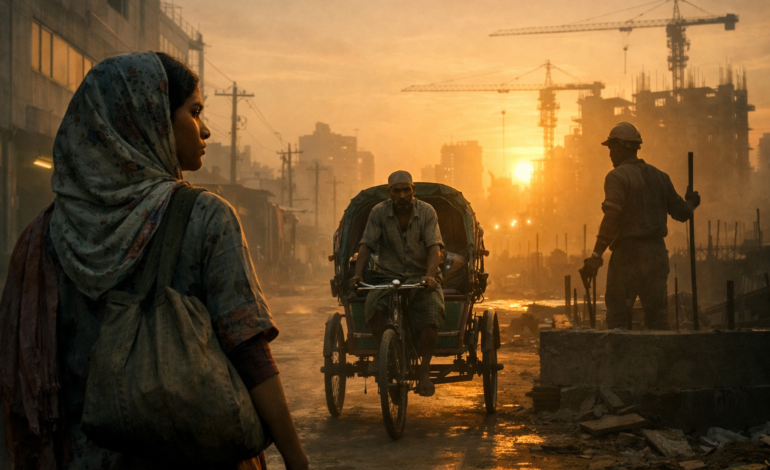
Before the sun rises, the city is already awake. A garment worker folds her uniform in the dim light, a rickshaw puller stretches his back beside an empty street, a construction labourer washes his face with water drawn from a roadside tap and somewhere, a delivery rider checks his phone, waiting for the first order of the day.
There are no headlines for these moments. No cameras. No applause, yet this is where Bangladesh begins each day.
On International Workers’ Day, we pause not just to acknowledge labour, but to recognise the people whose effort quietly sustains an entire nation.
The Morning That Never Waits
For millions across Bangladesh, work is not scheduled but it is inevitable. The day does not begin with choice. It begins with necessity.
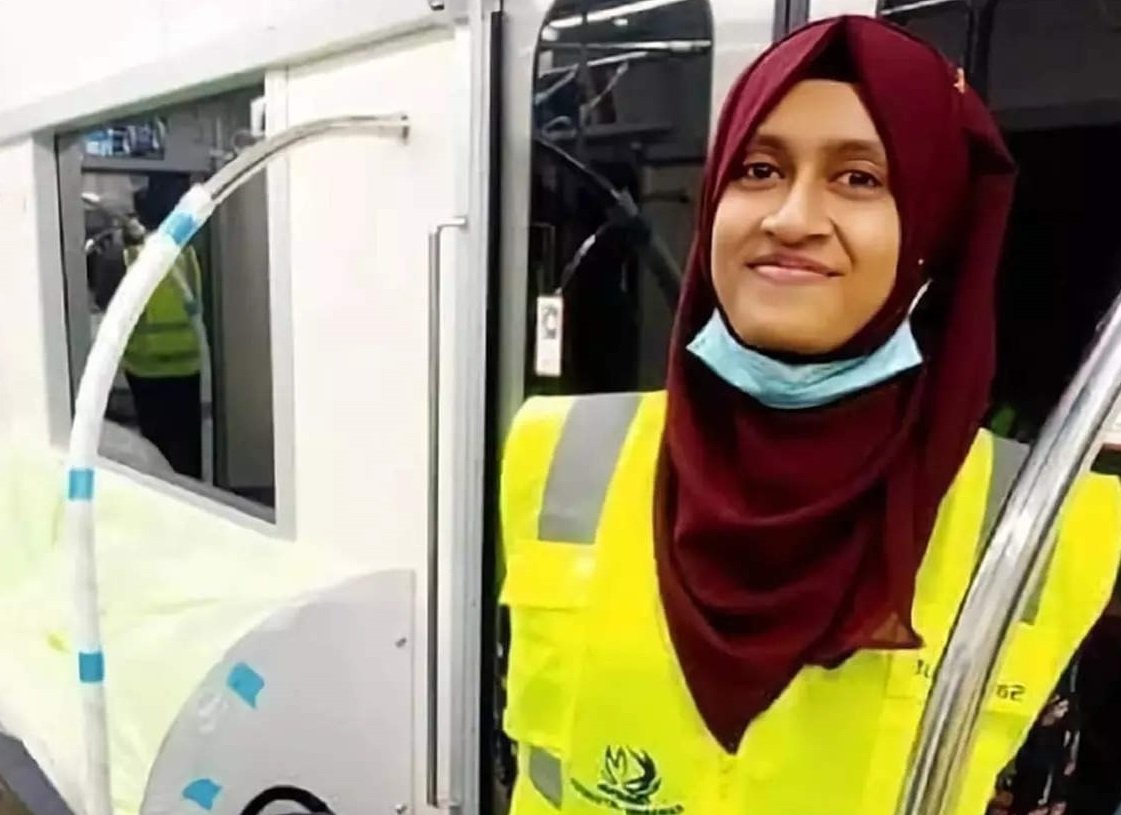
A garment worker boards an overcrowded bus, her day mapped out in hours of repetitive motion inside the ready-made garment industry, the backbone of Bangladesh’s export economy. Each stitch she makes contributes to a global supply chain, yet her own life remains tightly constrained by wages and time.
A construction worker climbs bamboo scaffolding, balancing risk with routine. Beneath him, a skyline rises, glass, steel, and ambition. But the hands that build it rarely share in its comfort.
A domestic worker moves from one household to another, invisible in the spaces she cleans, essential in the lives she supports.
These are not isolated stories. They are the rhythm of a nation.
Work as Survival
In Bangladesh, labour is often more than employment and more into a survival.
For many, missing a single day of work can mean:
- An empty kitchen
- Unpaid school fees
- Medicine left unbought
There is little margin for rest, and even less for uncertainty.
This reality shapes everything. It determines how long a child stays in school. It influences when a family seeks medical care. It decides whether a dream is pursued or quietly set aside.
And yet, within these constraints, workers continue, day after day, year after year.
Not because the system is fair. But because stopping is not an option.
The Women Who Changed the Story
Among Bangladesh’s workers, women have reshaped the narrative in profound ways.
Once confined largely to domestic roles, millions of women now form the backbone of the workforce especially in the garment sector. Their entry into paid labour has done more than boost economic output; it has transformed families, communities, and expectations.
They have:
- Sent children to school
- Supported entire households
- Claimed space in a society that once limited them
And yet, their journey is far from complete. Wage gaps persist. Leadership opportunities remain limited. Workplace challenges continue to test their resilience.
Still, every morning, they show up. Not just as workers but as agents of change.
The Price of Progress
Bangladesh’s economic growth story is often celebrated and rightly so. From rising exports to expanding infrastructure, the country has made undeniable strides.
But progress has a cost. The memory of the Rana Plaza collapse still lingers, a reminder of the price workers have paid in the pursuit of growth. Since then, improvements in safety standards have been made, particularly in large factories.
Yet beyond regulated sectors, many workers remain vulnerable.
In informal workplaces, protections are limited. Contracts are rare. Safety measures are often absent.
This is the paradox of development: advancement alongside inequality.
A New Kind of Worker
Today, the definition of labour in Bangladesh is evolving.
The worker is no longer only the factory employee or the day labourer. It is also:
- The ride-sharing driver navigating traffic for digital platforms
- The freelancer working through the night for global clients
- The migrant worker sending remittances from distant countries
These roles reflect a changing economy one that is more connected, more flexible, but not always more secure.
Gig workers often lack:
- Job security
- Health benefits
- Legal protections
They represent the future of work but also its uncertainties.
The Invisible Backbone
Walk through any street in Dhaka, and you will see movement everywhere. But behind that movement are individuals whose contributions are rarely acknowledged.
The man who lays bricks does not own the building. The woman who stitches garments does not wear the brand. The worker who builds roads may never travel far on them.
Their labour is visible. Their recognition is not and yet, without them, nothing functions.
Beyond Wages: The Question of Dignity
On May Day, discussions often revolve around wages, benefits, and policies.
These matter. But they are only part of the story.
At its core, labour is about dignity.
It is about:
- Being treated with respect
- Having safe working conditions
- Knowing that your effort is valued
For many workers, the absence of dignity is as significant as the absence of income.
A true tribute, then, must go beyond acknowledgement. It must call for change.
The Next Generation
Perhaps the most important question is not about today’s workers but tomorrow’s.
What kind of future awaits the children of labourers?
Will they inherit the same struggles or will education and opportunity create a different path?
Bangladesh has made progress in expanding access to education. But economic pressure still forces many children into work too early.
Breaking this cycle requires more than policy. It requires sustained commitment to ensure that the next generation has choices their parents did not.
A Nation Built by Its Workers
Every achievement Bangladesh celebrates carries the imprint of its workers.
- The garments exported to the world
- The bridges connecting regions
- The cities rising from the ground
These are not abstract successes. They are the result of human effort of hands that build, carry, stitch, and endure.
Workers are not just participants in Bangladesh’s growth story.
They are its foundation.
A Tribute That Must Last Beyond a Day
On International Workers’ Day, it is easy to speak of gratitude. Harder is turning that gratitude into action. Fair wages, safe environments, equal opportunities and respect.
These are not demands for celebration, they are demands for justice. As Bangladesh continues its journey toward development, the measure of its progress will not be found only in GDP figures or infrastructure projects.
It will be found in the lives of its workers. In whether they can work without fear, with dignity. Because in the end, Bangladesh is not built by policies alone.
It is built every day by millions of hands that ask for little, give everything, and deserve far more.