




Bangladesh’s Little-Known ‘Napit Koi’ is Facing a Silent Decline
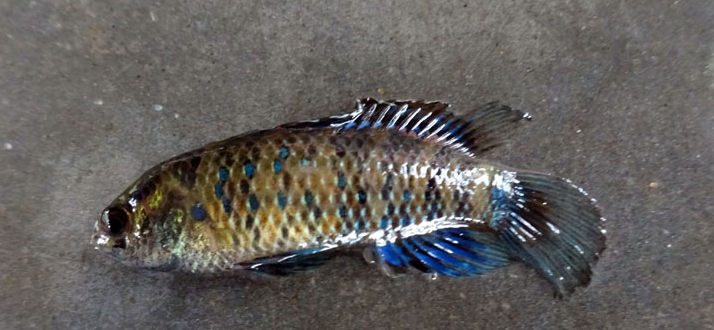

Bangladesh’s Little-Known ‘Napit Koi’ is Facing a Silent Decline
It lives quietly beneath still waters, hidden among aquatic plants, rarely seen and almost never discussed. The Napit Koi or Naptey Koi, which is also called Bangladesh’s “barber fish” is not a species that draws attention. It does not dominate markets or headlines.
Yet its disappearance could signal something far more serious.
Across Bangladesh’s wetlands, this small, vibrant fish is becoming increasingly rare. Once a natural part of floodplains and shallow water ecosystems, it is now facing a slow and silent decline driven by habitat loss, pollution, and environmental change.
What makes this story urgent is not just the fate of a single species but what it reveals about the fragile state of the country’s wetlands. Because when a fish like Napit Koi begins to vanish, it is often a warning that an entire ecosystem is under threat.
What is Napit Koi?
Scientifically known as Badis badis, Napit Koi is a small freshwater species found across South Asia, including Bangladesh, India, Nepal, and Bhutan.
It is also known by several other names, such as:
- Blue perch
- Badis fish
- Dwarf chameleon fish
Despite its modest size, the fish is visually striking. Males, especially during breeding or territorial displays, exhibit shimmering blue tones with hints of red. This coloration, combined with its calm and calculated movements, gives it a unique presence in the aquatic world.
The nickname “barber fish” comes from its precise and measured behavior, which observers often compare to the steady hand of a barber at work.
Habitat: Life in Fragile Wetland Ecosystems
Napit Koi thrives in slow-moving and vegetation-rich freshwater environments.
Preferred Environments
The species is typically found in:
- Floodplain wetlands
- Oxbow lakes and natural depressions
- Shallow streams with minimal current
- Seasonal water bodies connected to rivers
These habitats are especially common in northeastern Bangladesh, where seasonal flooding creates dynamic ecosystems.
Importance of Aquatic Vegetation
Aquatic plants are essential to the survival of Napit Koi. They provide:
- Protection from predators
- Breeding and nesting areas
- Feeding grounds
The fish relies heavily on dense underwater vegetation, making it particularly vulnerable to environmental changes.
Because of this dependency, Napit Koi is often considered an indicator species and its presence signals a healthy and balanced wetland ecosystem.
Behavior and Unique Characteristics
Napit Koi is known for its calm yet deliberate movements. Unlike fast-swimming fish, it prefers to navigate slowly through aquatic plants, often staying close to cover.
Its behavior includes:
- Ambush feeding on small aquatic organisms
- Territorial displays during breeding
- Subtle color changes depending on mood and environment
This combination of behavior and adaptability has led to comparisons with a chameleon, further enhancing its scientific and ecological interest.
Ecological Importance
Although small, Napit Koi plays a significant role in maintaining ecological balance.
1. Food Chain Stability
The fish feeds on tiny invertebrates and insects, helping regulate their populations. At the same time, it serves as prey for larger fish and birds, forming an essential link in the food chain.
2. Biodiversity Support
Bangladesh is home to a wide variety of freshwater fish species. Napit Koi contributes to this biodiversity, which is critical for ecosystem resilience.
3. Environmental Indicator
A decline in Napit Koi populations often reflects:
- Loss of aquatic vegetation
- Water pollution
- Habitat degradation
This makes it a valuable species for monitoring environmental health.
Growing Threats to Survival
Despite its ecological importance, Napit Koi is increasingly vulnerable to a combination of environmental and human-driven pressures. These threats do not operate in isolation; rather, they interact in ways that accelerate the species’ decline and weaken the overall resilience of wetland ecosystems.
1. Wetland Degradation: Shrinking Natural Habitats
Wetlands across Bangladesh are undergoing rapid transformation. Large areas are being converted into agricultural land, fish farms, roads, and urban settlements. While these developments support economic growth, they come at a significant ecological cost.
For a species like Napit Koi—which depends on shallow, slow-moving, and seasonally connected water bodies—habitat fragmentation is particularly damaging. When wetlands are drained or disconnected from rivers, the natural hydrological cycle is disrupted.
In many cases, the fish has nowhere to survive. Over time, this leads to localized extinction, even if the species still exists elsewhere.
2. Loss of Aquatic Vegetation: Destroying the Microhabitat
Aquatic plants are not just part of the scenery—they are the foundation of Napit Koi’s survival.
However, widespread practices such as weed removal, and land reclamation are stripping wetlands of this essential vegetation. These activities are often carried out to improve water flow, expand fisheries, or reduce mosquito breeding, but they unintentionally destroy critical microhabitats.
Without dense underwater plants, Napit Koi loses:
- Shelter from predators
- Safe breeding and nesting areas
- Feeding zones rich in small organisms
3. Pollution
Water pollution is one of the most pervasive threats to freshwater biodiversity in Bangladesh.
Runoff from agricultural fields introduces pesticides and chemical fertilizers into wetlands. Industrial discharge adds toxic substances, while domestic waste contributes organic pollution and reduces oxygen levels in the water.
For Napit Koi, which thrives in relatively clean and stable environments, these changes can be fatal. Polluted water affects the species in several ways:
4. Climate Change
Climate change is introducing new uncertainties into Bangladesh’s already fragile wetland systems.
Changes in rainfall patterns—such as delayed monsoons, excessive rainfall, or prolonged dry spells—directly affect the seasonal flooding cycles that sustain wetlands. These cycles are crucial for breeding, feeding, and habitat renewal.
5. Accidental Capture
Although Napit Koi is not commercially targeted, it is frequently caught as bycatch in traditional and modern fishing practices.
This unintended harvesting creates a constant pressure on the population. Unlike larger commercial species, Napit Koi does not benefit from regulated fishing practices or conservation measures.
A Silent Crisis in Bangladesh’s Wetlands
The decline of Napit Koi reflects a broader issue—the gradual loss of small indigenous fish species.
While commercially important fish often receive attention, smaller species tend to be overlooked. However, their disappearance can have serious consequences for ecosystem stability.
Wetlands in Bangladesh are among the most productive ecosystems in the region, supporting livelihoods, agriculture, and biodiversity. The loss of even a small species like Napit Koi can signal deeper environmental problems.
Why Conservation Matters
Protecting Napit Koi is not just about saving one species—it is about preserving an entire ecosystem.
If current trends continue, the loss of such species could lead to:
- Disruption of aquatic food chains
- Reduced biodiversity
- Declining health of wetlands
For a country heavily dependent on its water systems, these impacts could extend beyond the environment to economic and social stability.
The Way Forward
Conservation efforts must focus on protecting habitats rather than just individual species.
Key Measures Include:
- Preserving natural wetlands and water bodies
- Protecting aquatic vegetation
- Promoting sustainable fishing practices
- Raising awareness about small indigenous species
Research and policy support will also be essential in ensuring long-term sustainability.
Looking Ahead
Napit Koi may be small, but its importance is far from insignificant.
It represents the delicate balance of Bangladesh’s wetlands, a balance that is increasingly under threat. Its quiet disappearance serves as a warning that environmental degradation is already underway.
By protecting species like Napit Koi, Bangladesh can safeguard not only its biodiversity but also the health of its vital ecosystems.
Because sometimes, the smallest creatures tell the biggest stories.