


Why Immediate Action Is Needed to Save Bangladesh’s Commercial Capital from a Fire Disaster?
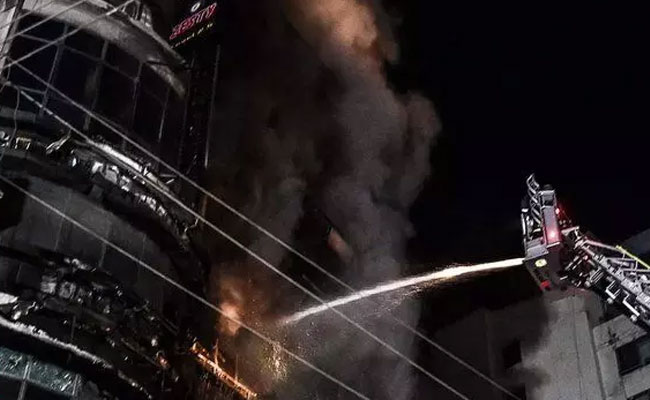

Chattogram, Bangladesh’s commercial capital and primary gateway to international trade, stands today at a dangerous crossroads. While the city continues to expand as an industrial and logistics hub, its vulnerability to catastrophic fire disasters has reached alarming levels. Recent data showing a sharp rise in fire incidents is not an isolated anomaly, but part of a long and painful history of preventable tragedies. Without immediate and coordinated intervention, the fire safety of Chattogram risks deteriorating to a point where human casualties, economic losses and reputational damage could be unprecedented.
Over the past two decades, Chattogram has witnessed some of the deadliest industrial fires in the country. One of the most harrowing incidents occurred in February 2006, when at least 54 workers were killed in a blaze at KTS Textile and Garments in the Kalurghat area. Locked exits, illegal floor extensions and the absence of basic fire protection systems turned a workplace into a death trap. Despite national outrage at the time, structural reforms remained limited.
The pattern repeated itself in June 2023, when a massive explosion and fire at the BM Container Depot in Sitakunda claimed around 50 lives, including 13 firefighters. The incident sent shockwaves through global supply chains, as Chattogram Port operations were disrupted and international buyers raised concerns about safety compliance. These disasters underscore a grim reality, the fire safety of Chattogram has been repeatedly compromised by negligence, weak enforcement and fragmented governance.
A surge in fires signals systemic failure
The urgency of the situation is reinforced by recent statistics. According to the Fire Service and Civil Defence, fire incidents in Chattogram division surged significantly in the first ten months of the current year. A total of 4,037 incidents were recorded, leaving six people dead, 28 injured and causing property damage worth Tk99.28 crore. This marked a sharp increase compared to the same period last year, when 3,530 incidents resulted in Tk72.32 crore in losses.
The trend is even more concerning in Chattogram district alone. Here, 1,674 fire incidents were recorded, representing a nearly 30 percent rise compared to the previous year. Such growth cannot be explained by chance or seasonal variation. It points to deep-rooted structural problems in urban planning, building safety and regulatory oversight. The fire safety of Chattogram is being undermined not by lack of awareness of risks, but by persistent failure to act decisively.
Although firefighters managed to save properties worth hundreds of crores of taka, these figures mask the underlying vulnerability. Each major blaze stretches emergency response capacity and exposes the city to cascading risks, especially in densely built commercial and industrial zones.
Impact on international trade credibility
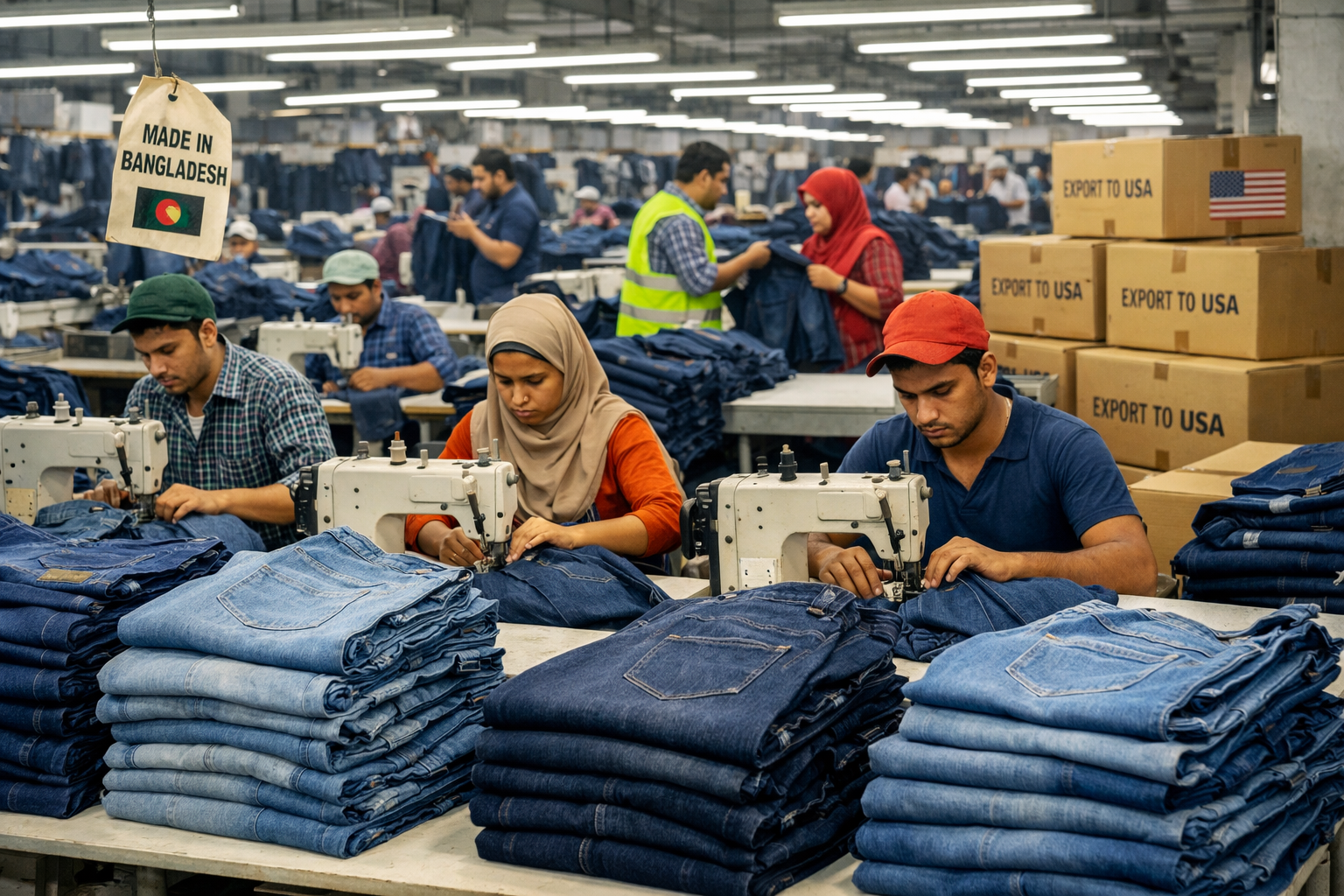
Chattogram is not just a domestic economic centre. It handles over 90 percent of Bangladesh’s international trade through its seaport and is deeply integrated into global supply chains. Export Processing Zones, garment factories, logistics hubs and warehouses clustered around the city serve international brands and markets across Europe, North America and Asia.
In this context, repeated fire incidents pose serious reputational risks. Global buyers are increasingly sensitive to environmental, social and governance compliance. High-profile fires raise red flags about workplace safety, regulatory enforcement and supply chain resilience.
The devastating fire that reduced the nine-storey Adams Cap and Textile Limited factory at Chattogram Export Processing Zone to ashes after a 17-hour battle highlighted how quickly confidence can be shaken.
If the fire safety of Chattogram is not strengthened, the city risks losing competitive advantage to regional rivals who can offer safer and more predictable operating environments. In an era of supply chain diversification, perceived safety risks can translate into lost orders and reduced foreign investment.
Consequence of unplanned urbanisation
One of the most critical drivers of fire risk in Chattogram is unplanned urbanisation. Markets, warehouses and factories have mushroomed in residential areas without adequate access roads, fire exits or water sources. Heavily congested commercial zones such as Reazuddin Bazar, Khatunganj, Terri Bazar and Tamakumandi Lane are packed with combustible goods, narrow alleys and overhead electric wires.
Insiders fear that if a major fire breaks out in these areas, the casualty count could dwarf previous disasters. Firefighting vehicles often cannot enter these zones, while unusable hydrant points and blocked water access further delay response. Even with modern equipment, firefighters are forced to battle flames under impossible conditions.
This urban reality reflects decades of weak enforcement of building codes and zoning regulations. The fire safety of Chattogram has been compromised not only by what has been built, but by how and where it has been built.
A governance gap in enforcement
Regulatory bodies openly acknowledge their limitations. The Chattogram Development Authority, responsible for monitoring building code compliance, operates with severe manpower shortages. With only two authorised officers overseeing an area of around 1,200 square kilometres, effective inspection is virtually impossible. By comparison, Dhaka’s development authority has more than ten times the manpower for a similar area.
As a result, violations have become normalised. Buildings are constructed without approved designs, fire exits are blocked or removed, and factories operate without valid fire safety clearance. The Fire Service and Civil Defence now report that over 70 percent of buildings violate some aspect of the building code.
This enforcement gap erodes deterrence. When penalties are rare and inspections infrequent, non-compliance becomes a rational choice for cost-conscious developers and business owners. The fire safety of Chattogram suffers because rules exist largely on paper.
Recognition of technological readiness
There is, however, one area of cautious optimism. Unlike in the past, the Fire Service and Civil Defence now possess modern firefighting equipment and improved training. Officials confirm that lack of technology is no longer the primary constraint. Instead, manmade obstructions, illegal structures and inaccessible sites prevent effective use of these tools.
This distinction is important. It means that with proper urban management, enforcement and coordination, the city already has the foundation to significantly improve outcomes. Strengthening the fire safety of Chattogram is therefore not an unattainable goal, but a matter of governance and political will.
Cost of complacency for industrial growth
Bangladesh’s industrialisation strategy relies heavily on Chattogram. From garments and textiles to steel, shipbuilding and logistics, the city underpins national growth ambitions. Yet industrial expansion without parallel investment in safety infrastructure creates fragile growth.
Industry leaders acknowledge that many factory fires stem from poor electrical installations, substandard materials and lack of certified technicians. Short circuits and gas leaks remain common triggers. While some export-oriented factories have improved compliance under buyer pressure, thousands of smaller units operate beyond effective oversight.
Complacency carries a high cost. A single major fire can wipe out years of investment, disrupt employment for thousands and trigger legal and reputational fallout. Strengthening the fire safety of Chattogram is therefore not an obstacle to industrial growth, but a prerequisite for sustainable expansion.
Global potential through reform
International experience shows that cities can transform fire risk into an opportunity for reform. Ports and industrial hubs such as Singapore and Rotterdam have achieved high safety standards through strict enforcement, integrated planning and use of digital monitoring systems. These measures not only reduce accidents, but enhance investor confidence.
Chattogram has similar potential. Its strategic location, expanding port capacity and young workforce position it well for deeper integration into global trade. By prioritising the fire safety of Chattogram, authorities can signal seriousness about governance reform and risk management, qualities valued by international partners.
Improved safety can also support insurance affordability, lower operational risks and encourage higher-value manufacturing. In this sense, fire safety reform is an economic investment rather than a regulatory burden.
Outlook without immediate coordination
The most dangerous scenario is continuation of the status quo. Fragmented responsibility among agencies, reactive responses after disasters and lack of accountability create a cycle of tragedy followed by temporary attention. Without a comprehensive action plan, fire incidents are likely to rise further as urban density increases.
Immediate coordination among city authorities, development regulators, utility providers and industry bodies is essential. Emergency access routes must be protected, hydrant systems restored and overhead wiring rationalised. Public awareness campaigns alone are insufficient if structural risks remain unaddressed. Delays will only raise the eventual cost, in lives, assets and credibility. The fire safety of Chattogram demands urgency because risks compound over time.
Way forward through decisive action
Saving Bangladesh’s commercial capital from fire disaster requires a shift from rhetoric to enforcement. Strengthening regulatory manpower, digitising building approvals, and linking utility connections to verified fire safety clearance can create powerful incentives for compliance. Regular audits, meaningful penalties and public disclosure of violations can restore deterrence.
At the same time, engaging industry associations, professional engineers and certified installers can improve construction quality. Investment in prevention, such as automatic sprinkler systems and modern electrical standards, must be prioritised alongside emergency response.
Ultimately, the choice facing policymakers is stark. Either Chattogram continues to gamble with disaster, or it embraces reform to protect lives and its economic future. The fire safety of Chattogram is not merely a technical issue, it is a test of governance, responsibility and vision.
Immediate action is no longer optional, it is essential for safeguarding a city that underpins Bangladesh’s place in the global economy.