



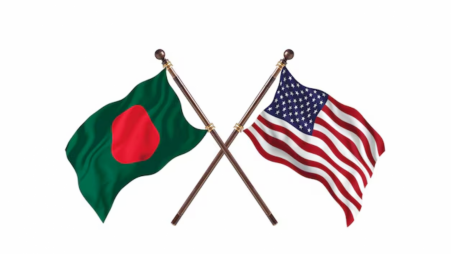

Bangladesh–US Reciprocal Tariff Agreement: A Major Boost for Trade and Garment Exports
The economic relationship between Bangladesh and the United States has reached a new milestone with the signing of the Reciprocal Tariff Agreement in Washington. This historic deal reduces US tariffs on Bangladeshi exports and opens new opportunities for the country’s vital textile and apparel sector.
With Bangladesh being one of the world’s largest garment exporters and the US its biggest single export market, this agreement is expected to significantly strengthen bilateral trade ties and improve export competitiveness.
A Significant Reduction in Tariffs for Bangladesh
Under the newly signed agreement, the United States has reduced the reciprocal tariff on Bangladeshi products from 20 percent to 19 percent. While the one percent cut may appear small, it carries major financial implications for exporters dealing in billions of dollars annually.
Originally, the tariff stood at 37 percent, which was later reduced to 20 percent in August last year. The latest reduction shows a positive trend in trade negotiations and reflects growing trust between the two nations.
This gradual lowering of tariffs makes Bangladeshi goods more affordable in the US market, allowing exporters to compete better with products from other countries.
Zero Tariff Facility for Selected Garment Products
One of the most impactful parts of the agreement is the US commitment to introduce a zero reciprocal tariff mechanism for certain textile and apparel goods from Bangladesh.
This benefit will apply to products manufactured using:
- US-produced cotton
- US-made man-made fibers
This move is expected to:
- Encourage Bangladeshi factories to use American raw materials
- Reduce production costs for exporters
- Increase garment exports to the US
- Strengthen supply chain cooperation between both countries
Since the garment sector contributes over 80 percent of Bangladesh’s export earnings, this policy could bring massive economic benefits.
Nine Months of Negotiations Lead to Historic Deal
The agreement did not happen overnight. Negotiations lasted for more than nine months, beginning in April last year. Both sides worked closely to reach terms that would benefit businesses and consumers in both countries.
On behalf of Bangladesh, the agreement was signed by:
- Sheikh Bashir Uddin, Commerce Adviser
- Khalilur Rahman, National Security Adviser
The US side was represented by:
- Ambassador Jamieson Greer, US Trade Representative
The signing ceremony was also attended by:
- Mahbubur Rahman, Commerce Secretary of Bangladesh
- Brendan Lynch, Assistant US Trade Representative
Strengthening Bangladesh–US Economic Relations
Commerce Adviser Sheikh Bashir Uddin described the agreement as a historic advancement in bilateral economic cooperation. According to him, it will offer greater market access to both Bangladesh and the US, promoting long-term trade growth.
National Security Adviser Khalilur Rahman emphasized that:
- The tariff cut will directly benefit exporters
- Zero tariff access for specific garments will give strong momentum to the apparel sector
- Bangladesh’s competitive position in the US market will improve
These comments highlight the strategic importance of the agreement beyond short-term financial gains.
Approval and Implementation Process
The deal has already been approved by the Council of Advisers of Bangladesh. It will officially come into effect once both countries issue formal notifications.
Once operational, exporters will be able to take advantage of:
- Lower tariff rates
- Zero-duty facilities for qualifying garment products
- Improved trade cooperation mechanisms
This smooth approval process reflects strong government support for boosting international trade.
Why This Agreement Matters for Bangladesh’s Economy
1. Boost to Export Earnings
Lower tariffs mean lower prices for US buyers, which often leads to higher demand. This can significantly increase Bangladesh’s export volumes.
2. Growth of the Garment Industry
The zero-tariff mechanism for garments made with US materials will:
- Encourage foreign investment
- Increase factory production
- Create more jobs
3. Stronger Trade Partnerships
This agreement deepens economic trust between Bangladesh and the US, opening doors for future trade deals.
4. Improved Global Competitiveness
Bangladesh will be able to compete more effectively with other major exporters like Vietnam, India, and Cambodia.
Benefits for the United States
The US also gains from this agreement by:
- Expanding exports of cotton and synthetic fibers
- Strengthening manufacturing supply chains
- Increasing access to Bangladesh’s growing consumer market
This win-win structure makes the deal sustainable for both nations.
Future Prospects of Bangladesh–US Trade
Trade experts believe this agreement could lead to:
- Further tariff reductions in the future
- Expanded zero-duty product categories
- Stronger cooperation in technology and manufacturing
As Bangladesh moves toward middle-income country status, such partnerships will be crucial for maintaining export growth.
Challenges to Watch
While the agreement is highly positive, some challenges remain:
- Proper implementation of zero-tariff mechanisms
- Ensuring compliance with trade rules
- Adapting factories to use US raw materials efficiently
However, with government support and private sector readiness, these challenges can be managed.
Looking Ahead
The Bangladesh–US Reciprocal Tariff Agreement marks a major step forward in international trade cooperation. By reducing tariffs and introducing zero-duty access for specific garment products, the deal offers new momentum to Bangladesh’s export-driven economy.
With the garment sector set to benefit the most, this agreement could boost employment, foreign investment, and overall economic growth. At the same time, the US gains stronger trade ties and increased exports of raw materials.
As the agreement becomes operational, it is expected to reshape Bangladesh’s export landscape and strengthen its position in the global market.