

Why Thrifting Is Becoming Popular Among Bangladeshi Youth
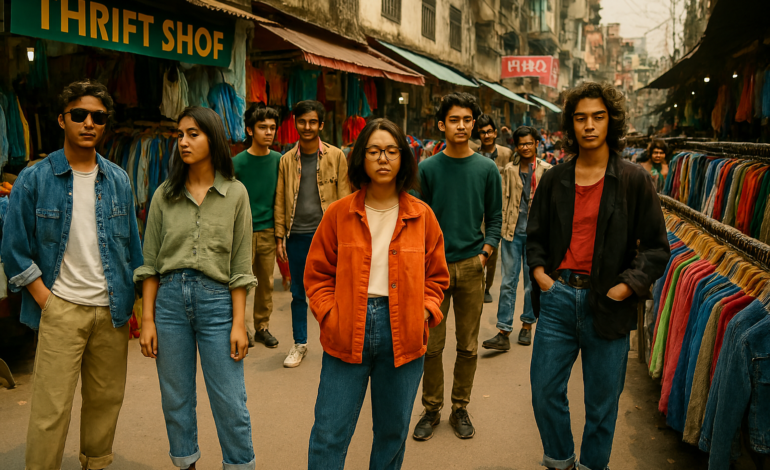

Why Thrifting Is Becoming Popular Among Bangladeshi Youth
Sustainability Meets Style
In recent years, thrifting has emerged as a defining lifestyle choice among Bangladeshi youth. What was once associated with necessity or stigma is now being reimagined as a conscious blend of sustainability, affordability, and personal style. From university campuses in Dhaka to online thrift stores operating through social media, second hand fashion is rapidly gaining acceptance among young people who are increasingly aware of environmental issues and eager to express individuality.
This shift reflects broader changes in consumption habits, cultural attitudes, and economic realities. Thrifting in Bangladesh is no longer just about saving money. It is about redefining value, rejecting fast fashion excess, and embracing a more thoughtful approach to clothing.
Sustainability and Growing Environmental Awareness
One of the strongest drivers behind the rise of thrifting in Bangladesh is growing environmental consciousness among young people. Climate change, textile waste, and pollution are no longer abstract global issues. Bangladesh, as one of the most climate vulnerable countries and a major player in the global garment industry, experiences these challenges firsthand.
Young consumers are increasingly aware of the environmental cost of fast fashion, including water pollution, carbon emissions, and massive textile waste. Thrifting offers a practical way to reduce demand for new clothing production while extending the life cycle of garments. By choosing second hand clothing, Bangladeshi youth are participating in a form of circular fashion that aligns with global sustainability goals.
This awareness is reinforced through education, online content, and global climate conversations that resonate strongly with a generation growing up amid environmental uncertainty.
Affordability in a Challenging Economic Climate
Economic factors play a critical role in the popularity of thrifting. Rising living costs, limited disposable income, and student financial constraints make thrift shopping an attractive alternative to brand new clothing. For many young people, especially students and early career professionals, thrifting allows access to quality garments at a fraction of retail prices.
Imported second hand clothing, often sourced from international markets, can offer better fabric quality and durability compared to low cost fast fashion options. This balance of affordability and value makes thrifting a rational choice rather than a compromise.
In a country where youth unemployment and underemployment remain challenges, thrifting represents a financially responsible lifestyle that does not sacrifice style.
Style, Individuality, and Creative Expression
Beyond economics and sustainability, thrifting appeals to Bangladeshi youth as a means of self expression. Mass produced fashion often leads to uniformity, where trends are repeated across social groups. Thrifted clothing, by contrast, allows individuals to curate unique looks that reflect personality rather than trends.
Vintage shirts, oversized jackets, denim, and experimental layering have become popular among young people seeking distinction. Thrifting enables creativity, mixing eras and aesthetics in ways that mainstream fashion rarely allows.
For many, wearing thrifted clothing is also a statement. It signals independence from consumerist norms and an appreciation for authenticity over branding.
The Role of Social Media and Digital Thrift Stores
Social media has played a transformative role in normalizing thrifting culture in Bangladesh. Platforms like Facebook and Instagram host hundreds of thrift pages that showcase curated collections, live sales, and styling ideas. These online stores have made thrifting accessible beyond physical markets and removed many traditional barriers.
Through visuals, storytelling, and influencer engagement, thrift sellers have reframed second hand clothing as fashionable and desirable. Customer reviews, live interactions, and transparent pricing have helped build trust among buyers.
Digital thrift communities also encourage conscious consumption, with sellers often educating customers about sustainability and garment care. This online ecosystem has turned thrifting into both a social and commercial movement.
Changing Attitudes Toward Second Hand Clothing
Historically, second hand clothing in Bangladesh was often associated with financial hardship or lack of choice. Younger generations are actively challenging this perception. Exposure to global fashion movements and sustainability narratives has helped redefine second hand clothing as a smart and ethical option.
Improved hygiene awareness, better curation, and professional presentation have further reduced stigma. Many thrift sellers now emphasize quality checks, cleaning processes, and transparent sourcing, addressing concerns that once discouraged buyers.
This cultural shift highlights a broader generational change in how value and status are perceived.
Urban Youth Culture and Campus Influence
Universities and urban youth spaces play a significant role in spreading thrifting culture. Students often serve as early adopters of alternative fashion movements, and campus environments encourage experimentation and dialogue.
Creative circles, photography communities, music events, and art spaces in cities like Dhaka and Chattogram have embraced thrifted fashion as part of their identity. Thrifting aligns naturally with youth culture that values creativity, inclusivity, and social awareness.
These spaces act as incubators where sustainable fashion ideas are normalized and shared.
Challenges and Limitations of Thrifting
Despite its growth, thrifting in Bangladesh faces several challenges. Quality inconsistency remains a concern, as not all thrifted items meet buyer expectations. Sizing can also be difficult due to variations in international clothing standards.
Pricing ethics present another issue. As thrifting becomes trend driven, some sellers price items excessively, undermining the affordability that initially attracted buyers. The lack of regulation and standardized practices means consumers must rely heavily on seller reputation.
Addressing these challenges will be essential for the long term credibility of the thrift market.
The Future of Thrifting in Bangladesh
The future of thrifting in Bangladesh appears promising. With continued environmental awareness and digital innovation, thrifting has the potential to evolve into a structured sustainable fashion ecosystem. Opportunities exist for small entrepreneurs, ethical sourcing initiatives, and collaborations with designers who incorporate second hand materials.
As consumer education improves and standards become more consistent, thrifting could contribute meaningfully to reducing textile waste and promoting responsible consumption.
Thrifting At A Glance
Thrifting is becoming popular among Bangladeshi youth because it speaks to their realities and values. It offers sustainability in an environmentally vulnerable country, affordability in a challenging economy, and individuality in a mass produced fashion landscape.
More than a trend, thrifting reflects a generational shift toward conscious living. As sustainability meets style, Bangladeshi youth are proving that fashion can be both expressive and responsible, setting an example that resonates far beyond national borders.