




Poultry Industry in Bangladesh: Rising Demand, Economic Growth, and Future Prospects
The poultry industry in Bangladesh has transformed dramatically over the past few decades, growing from small backyard operations to a major commercial sector that plays a crucial role in the nation’s food security, employment, and economic development. Today, poultry farming contributes significantly to both rural livelihoods and urban demand for affordable, high-quality protein. As consumption rises and production systems modernise, Bangladesh’s poultry sector is poised for continued expansion amid new challenges and opportunities.
A Sector Born from Necessity and Growth
Historically, poultry in Bangladesh was predominantly a small-scale activity. Families raised chickens for eggs and occasional meat, supplementing household nutrition and income. However, rising population, increased urbanisation, and changing dietary preferences have shifted poultry from a subsistence practice to a commercial industry.
Since the early 2000s, the sector has witnessed accelerated growth driven by:
- Rising consumer demand for eggs and poultry meat
- Improved farming technologies and practices
- Expanded hatchery and feed production infrastructure
- Greater access to credit and business financing
- Government and private sector support
This shift reflects broader changes in Bangladesh’s economy, which has seen rising incomes and expanding middle class consumption. As consumers increasingly prioritise protein-rich foods, poultry has become a staple in Bangladeshi diets.
Current Scale and Economic Contribution
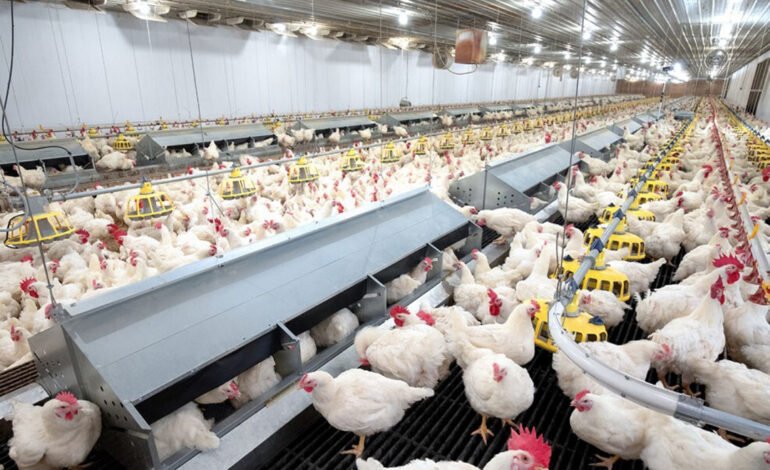
Today, the poultry industry in Bangladesh comprises three main segments:
- Broiler Production: Focused on meat production
- Layer Farming: Focused on egg production
- Parent Stock and Hatcheries: Producers of day-old chicks and future breeding stock
According to industry estimates, Bangladesh produces billions of eggs annually and millions of tonnes of poultry meat. The sector also supports a wide network of associated businesses, including feed manufacturing, pharmaceuticals, equipment suppliers, logistics and retail distribution.
The poultry industry directly and indirectly employs millions of people across the value chain — from farmers and hatchery workers to transporters and market vendors. It contributes to rural development by providing scalable business opportunities and generating year-round income.
Eggs and Meat Consumption Patterns
Eggs are among the most consumed animal proteins in Bangladesh, prized for affordability and versatility. Broiler meat consumption has also grown substantially, especially in urban centres where lifestyles and eating habits have shifted toward quick, accessible meals.
The poultry industry addresses nutritional needs by supplying products that are high in protein and essential nutrients. Eggs, for instance, are an important source of vitamins, minerals and amino acids. Meat consumption, meanwhile, has become associated with prosperity and modern diets.
Seasonal patterns also influence consumption. For example, demand often rises during festivals, holidays and cultural celebrations, prompting farmers and suppliers to adjust production and inventory.
Key Drivers of Industry Growth
Several factors have contributed to the expansion of poultry farming in Bangladesh:
1. Urbanisation and Changing Lifestyles
As more people move to cities for work and education, diets adapt. Urban residents often seek convenient, affordable protein sources — a trend that benefits poultry producers.
2. Technological Advancements
Modern hatcheries, improved feed formulations and climate-controlled poultry houses have enhanced productivity. These innovations help reduce mortality rates, improve growth cycles and increase yields.
3. Access to Finance
Microcredit and rural finance initiatives have enabled smaller farmers to invest in poultry operations. Loans and financial products tailored to agriculture have strengthened the sector’s base.
4. Expanding Feed Sector
A reliable supply of quality feed is vital for the poultry industry. Bangladesh’s feed manufacturing sector has grown in tandem, producing balanced, cost-effective nutrition that enhances growth and egg production.
5. Private Sector Investment
Domestic and foreign investors have increased their involvement in poultry production, processing and distribution. This has expanded capacity and introduced professional management practices.
Challenges Facing Poultry Producers
Despite its growth, the poultry industry in Bangladesh faces several challenges that require careful management and strategic planning.
1. Disease Outbreaks
Avian influenza and other poultry diseases periodically disrupt production. Effective biosecurity, vaccination campaigns and government response systems are needed to minimise outbreaks and protect both birds and farmers.
2. Feed Price Volatility
Feed costs account for a significant portion of total production expenses. Fluctuations in the prices of corn, soybean and other feed ingredients can affect profitability for farmers, especially small producers.
3. Infrastructure Gaps
Cold chain, transportation and storage infrastructure are often inadequate. Improved logistical systems would reduce waste and improve delivery of fresh products to markets.
4. Regulatory and Quality Standards
Ensuring food safety, quality control and compliance with national regulations is essential. Poultry products must meet hygiene, labeling and processing standards, especially if international markets are targeted.
5. Competition and Market Access
Small-scale producers often compete with larger commercial farms that benefit from economies of scale. Building cooperatives or collective marketing systems could help smaller operators gain better market access and price stability.
Government Role and Policy Support
The Government of Bangladesh has recognised the importance of the poultry industry in national food security and economic development. Policy support includes:
- Veterinary and animal health services
- Disease surveillance and prevention programs
- Subsidised vaccines and extension services
- Training and capacity building for farmers
- Rural credit initiatives and agricultural finance programs
Future government priorities may include further investment in research, improved regulation of feed quality and stronger frameworks for export development.
Emerging Opportunities
The outlook for the poultry industry in Bangladesh remains strong, with several emerging opportunities:
1. Value-Added Products
Processing plants can produce branded, value-added poultry products such as frozen meat, ready-to-cook meals and processed egg items. These products would cater to urban consumers seeking convenience and quality.
2. Export Potential
With improved quality standards and compliance with international regulations, Bangladesh could tap into regional markets for poultry meat and eggs. Export expansion would diversify revenue streams and strengthen the country’s agribusiness profile.
3. Integration with Tourism and Food Services
Hotels, restaurants and catering services increasingly demand high-quality poultry products. Establishing supply partnerships with this sector can boost industry growth.
4. Technology Adoption
Digital tools for farm management, disease prediction and market pricing can help producers optimise operations and improve profitability.
Voices from the Field
Farmers and industry stakeholders confirm that poultry farming has brought tangible benefits:
A small-scale farmer in Gazipur explains that poultry income often provides a buffer against crop failures, helping families smooth consumption throughout the year.
A feed mill operator in Dhaka notes that demand for quality feed continues to rise as more farmers adopt commercial production methods.
Consumers, meanwhile, appreciate the availability of fresh eggs and meat at competitive prices — a trend that contributes to improved nutrition and food diversity.
The Path Forward
For Bangladesh’s poultry industry to fully realise its potential, coordinated action among government, private sector players, research institutions and rural communities will be essential. Key steps include:
- Strengthening veterinary infrastructure and disease control
- Enhancing market linkages for small and medium producers
- Investing in cold chain, logistics and processing facilities
- Promoting research on climate-resilient and high-yield breeds
- Expanding financial support mechanisms for farmers
With these initiatives in place, the poultry industry can continue to grow sustainably, delivering economic, nutritional and social benefits across the country.
Conclusion
The poultry industry in Bangladesh has evolved into a vibrant, dynamic sector that supports rural livelihoods, meets rising consumer demand and contributes to national economic resilience. From small layer farms to large commercial broiler operations, poultry production represents both progress and promise.
As Bangladesh charts its course toward middle-income status, the poultry industry will play an increasingly important role in food security, job creation and agribusiness development. Continued innovation, investment and strategic policy support can ensure that this sector not only survives but thrives in the years ahead.