



LPG Market in Bangladesh Remains Unstable Despite Price Cuts and Policy Measures
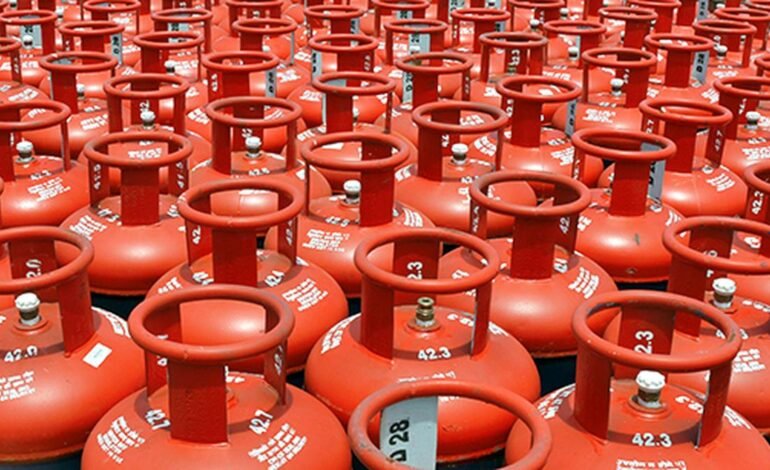
The liquefied petroleum gas (LPG) market in Bangladesh continues to struggle with instability, even after the government and regulators implemented price cuts and policy changes intended to stabilize costs for consumers. Despite a recent reduction in official retail pricing for household cylinders, many end users still pay significantly more due to ongoing market manipulation and supply chain inefficiencies.
This situation has drawn attention from consumers, regulators, economists and industry stakeholders, highlighting the challenges of ensuring affordability and transparency in a key energy sector that affects millions of households nationwide.
New LPG Price Cut: What Changed?
On February 24, 2026, the Bangladesh Energy Regulatory Commission (BERC) announced a reduction in the official retail price of a 12‑kg LPG cylinder by Tk 15. Under the updated pricing order, the official retail price is set at Tk 1,341 per 12‑kg domestic cylinder.
This price cut was part of a broader attempt to address rising living costs and ease financial pressure on households, especially as energy expenses remain a significant monthly cost for families.
The VAT (value‑added tax) was also withdrawn at the production level in an attempt to bring down production and wholesale costs, with the expectation that savings would be passed down to consumers.
Retail Prices Still Higher Than Official Rates
Despite the official price reduction, many consumers are still paying substantially higher prices in the open market:
- In Chattogram, retail prices in some areas range from Tk 1,600 to Tk 1,730 per 12‑kg cylinder—up to Tk 350 or more above the official price.
- In Dhaka and other districts, customers typically pay Tk 100–200 extra.
This suggests that the BERC’s intended price relief has not fully translated into consumer savings, primarily due to intermediaries charging additional amounts above the regulated ceiling.
According to local shoppers, these higher prices are now being widely accepted by both retailers and consumers, even though authorities regularly publish the official rates.
Reasons Behind the Unstable LPG Market
Analysts point to several key factors that are contributing to the ongoing instability and inflated prices:
1. Supply Chain Distortions from Import Issues
Industry contacts explain that the crisis began after sanctions by the US Treasury on certain LPG‑related companies and transport operators, which disrupted supply chains and distribution networks.
These sanctions, combined with difficulties in opening Letters of Credit (LCs) for imports, created shortages in late 2025, driving prices up to Tk 1,800–2,000 per cylinder in some areas.
Although imports and supply have since increased, residual effects of those market disruptions have continued to distort pricing.
2. Dealer Syndicates and Market Manipulation
One of the most frequently cited reasons for inflated retail prices is the behavior of middlemen and dealer networks. According to consumer groups, syndicates operate at multiple levels of the supply chain, enabling dealers to charge more than the official retail rate without fear of enforcement or penalty.
The Consumer Association of Bangladesh (CAB) has openly criticized the lack of regulatory oversight, saying that despite price directives from BERC, dealers often ignore them and continue overcharging.
A CAB official commented that authorities have held meetings with traders but have not followed up with sufficient market monitoring or penalties to stop price manipulation.
3. Distribution and Operational Costs
Retailers and small shop owners paint a different picture, explaining that margins are relatively low for them. Many say they buy cylinders from dealers at inflated prices (around Tk 1,500) and sell them at slightly higher rates (around Tk 1,600), accounting for costs related to transportation, employee wages and delivery services.
One retailer told local media that even with the extra charges, the profit per cylinder is minimal when delivery and storage costs are considered.
However, analysts suggest that the existence of syndicates and coordinated pricing behavior among dealers contributes to higher wholesale costs, which then ripple through to consumers.
Regulatory Response and Industry Statements
Authorities, including BERC officials, have acknowledged the past shortfall in LPG imports and emphasized efforts to prevent further shortages.
According to a BERC member, Bangladesh imported 1.6 million tonnes of LPG in 2024, but only 1.465 million tonnes in 2025, resulting in a shortfall of around 135,000 tonnes that contributed to supply issues.
In response, BERC has approved increased import capacity and expedited Letters of Credit to facilitate additional stock. In February 2026 alone, about 109,000 tonnes of LPG had already been imported, suggesting that supply is expected to stabilize.
Officials also noted that international geopolitical tensions—such as developments in the Middle East—have affected global LPG logistics. However, alternative import sources are being utilized to ensure supply continuity.
Amirul Haque, president of the LPG Operators of Bangladesh (LOAB), stated that imports should now be sufficient to avoid shortages and that sellers should adhere to government‑set prices.
Why Consumers Still Pay More
Despite improved supply levels and regulatory efforts, several structural issues remain:
- Lack of enforcement: Official price announcements are not followed up with strong inspection or penalties, enabling dealers to overcharge.
- Syndicate influence: Coordinated pricing among dealers prevents competitive pricing that could benefit consumers.
- High logistical costs: Delays, demurrage fees and distribution expenses can inflate costs at the retail level.
Consumer advocacy groups say that breaking syndicates and improving market surveillance are essential to ensure that retail prices reflect official rates and increased supply.
Broader Economic Implications
The unstable LPG market feeds into broader economic concerns in Bangladesh. Energy costs are a major component of household budgets, and unexpected price hikes can reduce disposable income and increase living costs, particularly for low and middle‑income families.
Economic observers also point to the need for more efficient supply chain management, better market oversight and continued facilitation of import financing—such as extended LC terms for importers—to smooth out price volatility.
For instance, Bangladesh Bank and policymakers have previously introduced deferred LC terms of up to one year to ease foreign exchange pressures for importers, a measure that could indirectly support energy imports as well.
In a Nutshell
The LPG market in Bangladesh remains unstable despite official price reductions and regulatory efforts, as consumers continue to pay well above regulated rates in many areas. Structural issues including dealer syndicates, supply chain inefficiencies and weak enforcement have prevented the intended price relief from reaching households.
Although recent imports and approvals by regulators signal improved supply conditions, ensuring affordable pricing will require strengthened regulatory oversight, transparent supply practices and stronger enforcement against market manipulation. Only then can consumers benefit fully from price reforms and stable LPG availability in the domestic market.