



Iran to Allow Bangladeshi Oil Tankers Through Strait of Hormuz Amid Global Energy Crisis
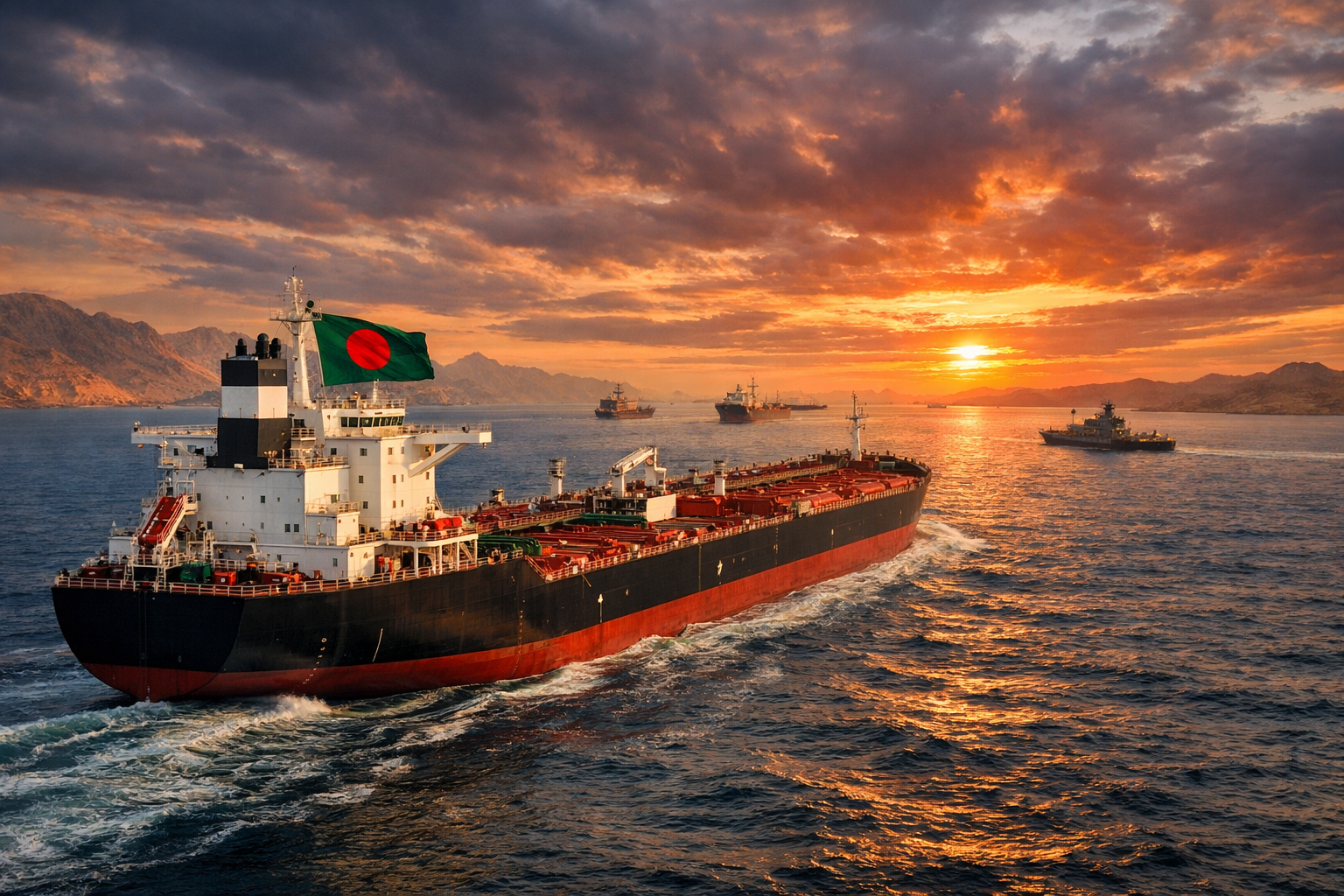
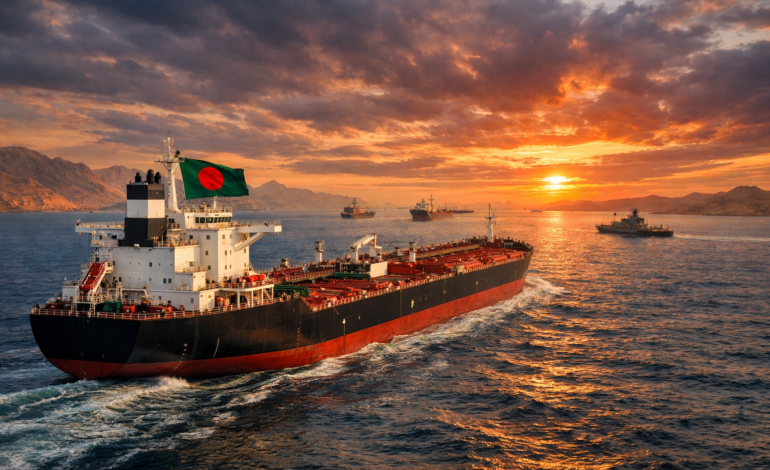
Bangladesh has secured a crucial diplomatic assurance as Iran confirmed that Bangladesh alongside China, Russia, Pakistan, Iraq, and India oil tankers will be allowed safe passage through the Strait of Hormuz. The move comes amid escalating tensions in the Middle East due to the ongoing war between Iran and Israel-USA, which disrupted global oil supply chains and raised serious concerns for energy-importing nations like Bangladesh.
The decision offers a significant boost to Dhaka, which relies heavily on imported fuel to sustain its economy and power generation.
A Critical Lifeline for Bangladesh’s Energy Supply
The Strait of Hormuz is one of the world’s most important maritime chokepoints, handling nearly one-fifth of global oil shipments. Any disruption in this route directly impacts countries dependent on imported fuel.
After Israel-USA declared war against Iran, the middle-east powerhouse had signaled restrictions on vessel movement through the strait. However, Bangladeshi oil and LNG carriers have been granted a special allowance.
Iran’s ambassador to Dhaka, Jalil Rahimi Jahanabadi, confirmed that Tehran is ready to ensure safe transit for Bangladeshi tankers.
The Energy Division on Wednesday provided the Ministry of Foreign Affairs with a detailed list of six vessels scheduled for transit in April to facilitate diplomatic communication with Tehran. These vessels are carrying approximately 5 lakh tonnes of LNG and 79,000 tonnes of crude oil.
Diplomatic Engagement Behind the Decision
The breakthrough follows direct diplomatic engagement between Bangladesh and Iran. According to officials, Bangladesh’s leadership requested assurances to safeguard fuel imports during a meeting.
Iran responded positively, agreeing to facilitate safe passage for Bangladeshi vessels, provided that authorities are informed in advance before entering the strait.
This requirement ensures coordination and security, particularly in a region currently experiencing heightened military and political tensions.
Selective Access in a Restricted Waterway
The decision to allow Bangladeshi tankers comes at a time when access to the Strait of Hormuz has become increasingly restricted.
Iran has indicated that vessels from certain countries particularly those linked to ongoing conflicts may face dangers. Iranian foreign minister said many countries requested them to ensure the safe passage of their ships through the strait, according to a report by Reuters.
“Many of the ship owners, or the countries that own these vessels, have contacted us and requested that we ensure their safe passage through the strait. For some of these countries that we consider friendly, or in cases where we have decided to do so for other reasons, our armed forces have provided safe passage,” a statement said.
He added, “You have seen on the news: China, Russia, Pakistan, Iraq, and India. Two of its ships passed through a few nights ago, and some other countries, and even Bangladesh, I believe.
“These are countries that spoke with us and coordinated with us, and this will continue in the future as well, even after the war.”
In contrast, countries considered neutral or “friendly” are being granted controlled access. Bangladesh’s inclusion in this category reflects its balanced diplomatic stance and non-aligned foreign policy.
This selective access system highlights how geopolitical considerations are now shaping global energy routes.
Impact on Bangladesh’s Economy
For Bangladesh, the assurance is critical. The country imports a significant portion of its fuel, including crude oil and liquefied natural gas (LNG), to meet domestic demand.
Any disruption in supply can lead to:
- Power shortages
- Increased fuel prices
- Economic instability
By securing safe passage through the Strait of Hormuz, Bangladesh can maintain steady fuel imports and avoid sudden shocks to its energy sector.
Reports indicate that fuel shipments have already continued, with vessels successfully reaching ports such as Chattogram.
Global Context: Rising Tensions and Energy Risks
The situation in the Middle East has created uncertainty in global energy markets. The Strait of Hormuz, which connects the Persian Gulf to the Arabian Sea, has become a focal point of geopolitical tension.
Recent developments show:
- Increased military activity in the region
- Restrictions on maritime traffic
- Rising global oil price.
These developments highlight the importance of diplomatic agreements like the one secured by Bangladesh, which allow critical shipments to continue despite broader restrictions.
Conditions for Safe Passage
While Iran has allowed Bangladeshi tankers to transit the strait, certain conditions apply:
- Advance notification to Iranian authorities
- Identification of vessels as Bangladeshi
- Compliance with security protocols
These measures are designed to ensure safe navigation and avoid potential misunderstandings in a highly sensitive المنطقة.
Strategic Significance for Bangladesh
The development underscores Bangladesh’s growing diplomatic relevance in a complex global environment.
By maintaining a neutral and balanced foreign policy, Bangladesh has been able to:
- Secure energy supply routes
- Maintain relations with multiple global powers
- Avoid entanglement in geopolitical conflicts
This strategic positioning has proven beneficial, particularly during times of crisis.
Challenges Still Remain
Despite the positive development, challenges persist:
Security Risks
The Strait of Hormuz remains a pivotal of potential conflict, with reports of attacks on vessels and military tensions.
Insurance and Shipping Costs
Even with safe passage, shipping companies may face higher insurance premiums due to increased risks.
Global Market Volatility
Fluctuations in oil prices could still impact Bangladesh’s economy.
These factors mean that while the agreement provides relief, it does not eliminate all risks.
Future Outlook: Strengthening Energy Security
The agreement with Iran highlights the importance of diversifying energy sources and strengthening supply chains.
Going forward, Bangladesh may focus on:
- Expanding fuel import partnerships
- Investing in renewable energy
- Enhancing storage capacity
Such measures can reduce dependency on a single route and improve resilience against global disruptions.
Looking Ahead
Iran’s decision to allow Bangladeshi oil tankers to pass through the Strait of Hormuz provides a crucial safeguard for the country’s energy supply during a period of global uncertainty.
For Bangladesh, the agreement is more than a diplomatic success it is an economic necessity. It ensures continuity in fuel imports while demonstrating the value of balanced foreign policy.
As geopolitical tensions continue to evolve, securing stable energy routes will remain a top priority. For now, this development offers much-needed stability in an increasingly volatile global landscape.