


Bangladesh is once again at a critical crossroads as the government weighs a possible fuel price adjustment amid soaring global oil prices and a rapidly expanding subsidy burden. The debate comes at a time when the country is grappling with external shocks triggered by geopolitical tensions in the Middle East, which have pushed crude oil prices above $120 per barrel from around $71 earlier in the year.
The country’s heavy reliance on imported energy has made it particularly vulnerable. Around 95 percent of Bangladesh’s fuel demand is met through imports, exposing the economy to global price volatility and foreign exchange pressures.
Despite these challenges, the government has so far resisted a fuel price adjustment, opting instead to absorb the rising costs through subsidies. However, this strategy is becoming increasingly unsustainable as fiscal pressures mount and foreign reserves remain under strain.
Current situation: subsidy burden rises as fuel price adjustment delayed
Bangladesh is currently maintaining domestic fuel prices well below international market rates.
This gap has translated into an enormous subsidy burden. The government is spending approximately Tk5,000 crore per month to keep fuel prices stable, with daily subsidies estimated at Tk167 crore.
In March alone, subsidy expenditure exceeded Tk5,000 crore, and projections suggest that total subsidies could reach Tk31,000 crore between March and June if current pricing continues.
Such fiscal commitments are putting intense pressure on the exchequer. Analysts warn that prolonged delays in fuel price adjustment could divert resources from critical sectors such as health, education and infrastructure, ultimately affecting long-term economic growth.
Fuel price adjustment may accelerate inflation
One of the primary concerns surrounding any fuel price adjustment is its immediate impact on inflation. Fuel prices are deeply embedded in the cost structure of the economy, influencing transportation, agriculture, manufacturing and electricity generation.
Government officials have acknowledged that even a modest increase in fuel prices would trigger a chain reaction. Higher transport costs would raise the price of essential goods, including food, disproportionately affecting low-income households.
Bangladesh is already experiencing elevated inflationary pressure. A rise in fuel prices would likely exacerbate the cost-of-living crisis, reducing purchasing power and increasing poverty risks, particularly among urban and fixed-income populations.
Electricity generation costs would also rise, as a significant portion of power production depends on diesel, furnace oil and imported LNG. This could lead to higher electricity tariffs, further compounding the economic burden on households and businesses.
Fuel price adjustment could restore fiscal balance
While politically sensitive, a fuel price adjustment could help restore fiscal discipline and reduce the strain on public finances.
The current subsidy regime is widely viewed as inefficient, as it benefits all consumers regardless of income level. Experts argue that maintaining artificially low prices effectively subsidises wealthier segments of society, leading to a misallocation of resources.
By aligning domestic prices more closely with international rates, the government could significantly reduce subsidy expenditure. This would free up fiscal space for targeted social safety net programmes aimed at protecting vulnerable groups.
Moreover, a rationalised pricing mechanism would improve the financial health of the Bangladesh Petroleum Corporation, which faces mounting losses due to the gap between import costs and retail prices.
Price adjustment and macroeconomic stability
The broader economic implications of a fuel price adjustment extend beyond inflation and fiscal balance.
Rising fuel import costs are already exerting pressure on Bangladesh’s foreign exchange reserves. Monthly fuel import expenses have increased substantially, with analysts estimating a rise of $760 million to $830 million per month.
If global prices remain elevated, Bangladesh’s annual energy import bill could increase by $4 billion to $5 billion. This would widen the current account deficit and increase the country’s reliance on external financing.
A timely fuel price adjustment could help mitigate these risks by reducing demand, improving energy efficiency and easing pressure on the balance of payments.
However, the adjustment must be carefully calibrated to avoid destabilising economic growth. Bangladesh’s industrial sector, particularly export-oriented industries, could face higher production costs, potentially affecting competitiveness in global markets.
Social impact: how fuel price adjustment affects ordinary people
For ordinary citizens, the implications of a fuel price adjustment are immediate and tangible.
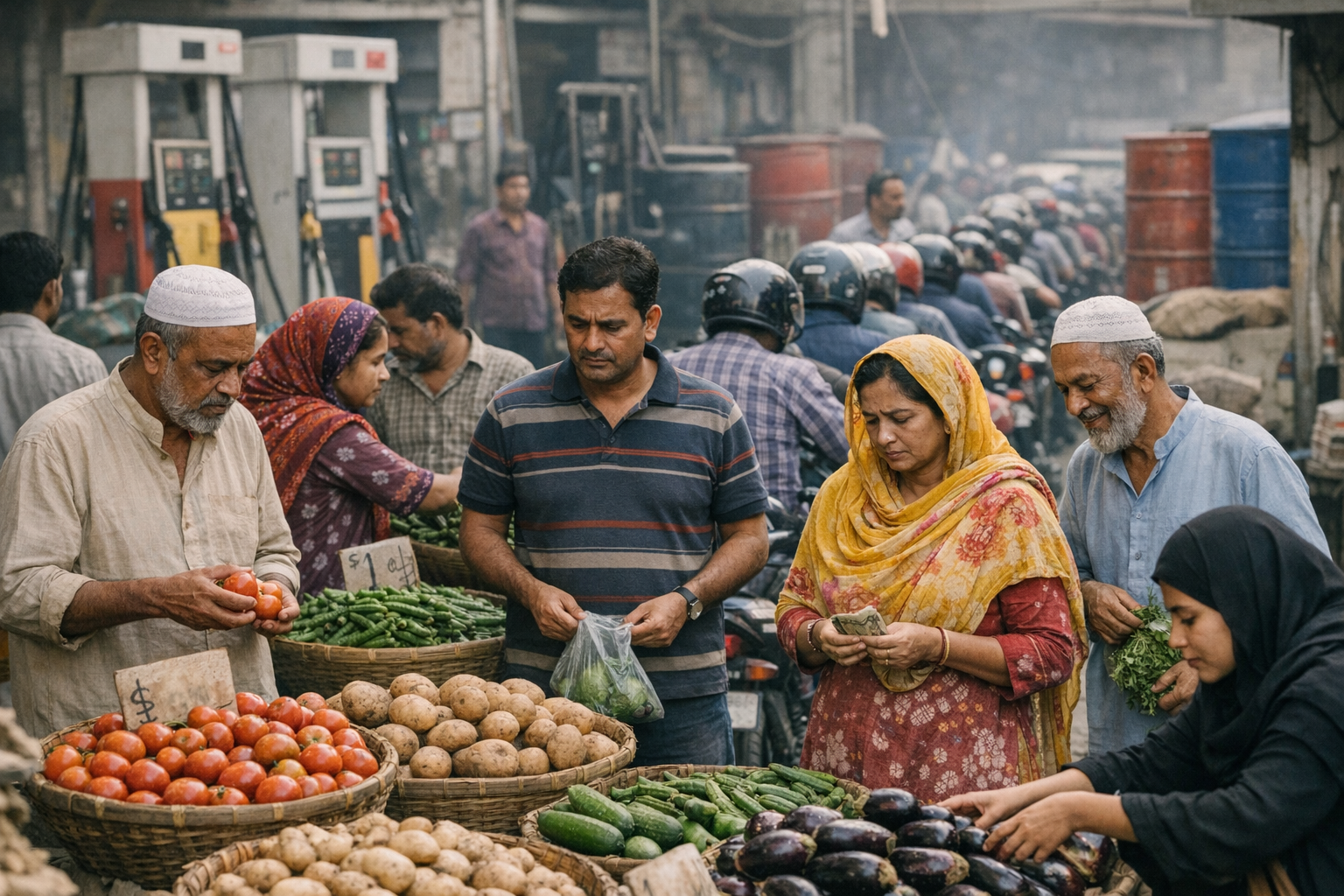
Transport fares are likely to increase, affecting daily commuters and raising logistics costs across the supply chain. This, in turn, would lead to higher prices for essential commodities such as rice, vegetables and cooking oil.
Rural communities could also be affected, as agricultural activities depend heavily on diesel-powered irrigation and machinery. Higher fuel costs would increase production expenses, potentially leading to higher food prices and reduced farmer profitability.
At the same time, the government faces a delicate balancing act. While delaying a fuel price adjustment protects consumers in the short term, it risks creating a larger economic crisis in the long run if fiscal pressures become unmanageable.
Energy crisis context: global shocks force policy rethink
The urgency of the fuel price adjustment debate has been amplified by the ongoing global energy crisis.
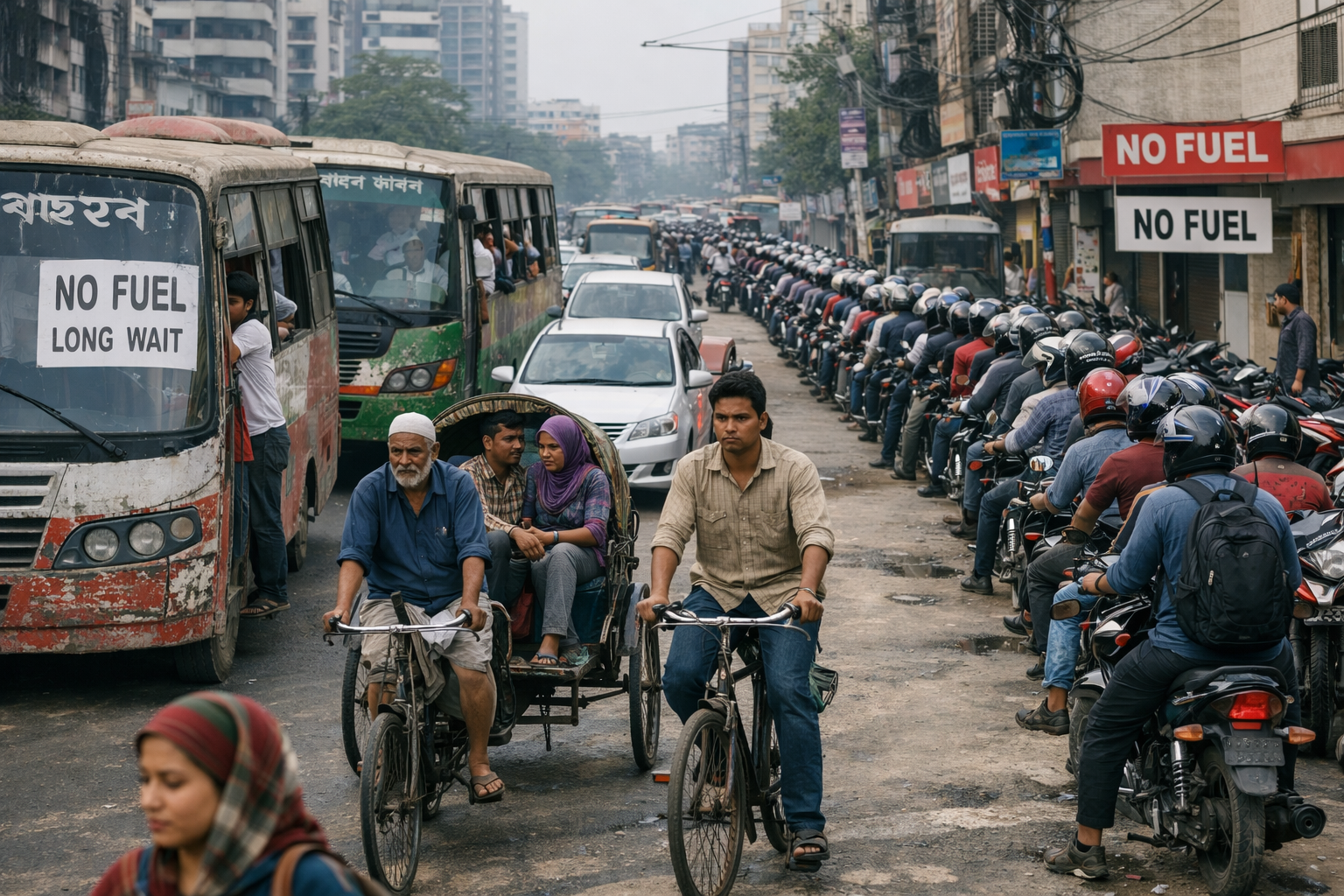
Bangladesh has already implemented a range of measures to manage the crisis, including fuel rationing, reduced working hours and restrictions on energy consumption.
The government is also seeking over $2 billion in external financing to support fuel imports and stabilise the energy sector.
These developments underscore the structural vulnerabilities of Bangladesh’s energy system and highlight the need for long-term reforms alongside any immediate fuel price adjustment.
Risks of policy missteps in fuel price adjustment
A poorly timed or poorly designed fuel price adjustment could have significant economic and political repercussions.
Sudden price hikes could trigger public discontent and disrupt economic activity, particularly in a context where inflation is already high.
There is also a risk that higher fuel prices could lead to cost-push inflation, forcing the central bank to adopt tighter monetary policies, which could slow economic growth.
Furthermore, without adequate safeguards, a fuel price adjustment could disproportionately impact vulnerable populations, exacerbating inequality and social tensions.
Opportunity for structural reform
Despite the risks, the current crisis presents an opportunity for Bangladesh to implement long-overdue reforms in its energy sector.
A well-planned fuel price adjustment could be accompanied by targeted subsidies for low-income households, ensuring that the most vulnerable are protected while reducing overall fiscal pressure.
The government could also use this moment to accelerate investments in renewable energy, diversify fuel sources and improve energy efficiency.
Such measures would not only reduce dependence on imported fuels but also enhance long-term economic resilience.
Balancing economy and politics in fuel price adjustment
Looking ahead, Bangladesh faces several challenges in implementing a fuel price adjustment.
Maintaining a balance between fiscal sustainability and social protection will be critical. Policymakers must ensure that any price increase is gradual and accompanied by measures to cushion its impact on vulnerable groups.
The government will also need to strengthen institutional capacity to manage energy pricing more effectively, including improving transparency and reducing inefficiencies in the sector.
At the same time, global uncertainties remain a major risk. Continued volatility in oil prices could complicate policy decisions and limit the effectiveness of domestic measures.
Conclusion: Price adjustment as a defining policy choice
The debate over fuel price adjustment in Bangladesh reflects a broader challenge faced by many developing economies in an era of global energy volatility.
While maintaining low fuel prices offers short-term relief, it comes at a significant fiscal cost that may not be sustainable in the long run. On the other hand, raising prices carries immediate social and economic risks.
Ultimately, the success of any fuel price adjustment will depend on how well it is designed and implemented. A balanced approach that combines gradual price increases, targeted support for vulnerable groups and structural reforms in the energy sector could help Bangladesh navigate this complex.
As the government deliberates its next move, the stakes are high, not only for the economy but also for the everyday lives of millions of citizens.