



Bangladesh is on the verge of a major shift in its trade and industrial landscape with the proposed introduction of a free trade zone. For decades, the country has relied on export processing zones and economic zones to drive manufacturing and exports. However, the concept of a free trade zone, widely used in global trade hubs, has remained absent.
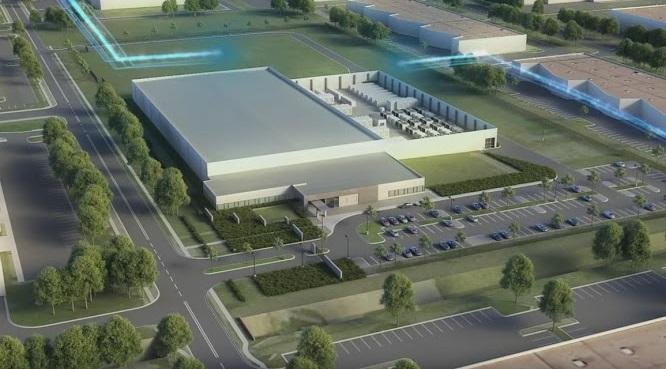
The recent policy decision by the Bangladesh Economic Zones Authority to establish the country’s first free trade zone marks a significant step towards integrating Bangladesh into faster and more flexible global supply chains. Located in Anowara in Chattogram and spanning around 600 to 650 acres, the planned free trade zone aims to function as an offshore territory in terms of customs regulations.
This initiative comes at a time when Bangladesh is seeking to diversify exports, reduce lead time, and attract higher levels of foreign investment. The introduction of a free trade zone could reshape the country’s economic trajectory if implemented effectively.
Background of industrial growth
Bangladesh’s economic growth over the past three decades has been driven largely by its export-oriented manufacturing sector, particularly the ready-made garments industry. The country has become the second largest apparel exporter globally, with exports exceeding $50 billion annually.
To support industrialisation, Bangladesh established export processing zones in the 1980s, followed by economic zones in recent years. These initiatives have attracted both domestic and foreign investment, contributing significantly to employment and export growth.
However, these zones operate within the country’s customs territory, meaning goods are subject to import procedures, duties, and regulatory delays. This has created bottlenecks, especially for industries requiring quick turnaround times.
In contrast, a free trade zone operates as a separate customs territory, allowing goods to be imported, stored, processed, and re-exported without standard customs restrictions. This fundamental difference makes a free trade zone far more flexible and competitive in global trade.
A system under pressure
Despite strong export performance, Bangladesh faces several structural challenges in trade and logistics. Lead times remain longer compared to competitor countries such as Vietnam and China. Importing raw materials often involves complex procedures and delays at ports.
For instance, sourcing raw materials like cotton from the United States can take weeks after placing an order. For industries dealing with fast fashion and quick delivery cycles, this delay can result in lost business opportunities.
Port congestion, limited warehousing facilities, and regulatory inefficiencies further compound the problem. Although Chattogram Port has improved its handling capacity, logistical constraints still affect overall competitiveness.
In this context, the absence of a free trade zone puts Bangladesh at a disadvantage. Many global companies prefer locations where they can store and process goods without customs delays, something that a free trade zone can offer.
Free trade zone concept, a transformative shift
The proposed free trade zone in Anowara is designed to function as an offshore trading hub. Goods entering the zone will not be subject to customs duties unless they enter the domestic market. This allows companies to store raw materials, carry out manufacturing, and re-export products with minimal regulatory barriers.
For example, cotton imported from the United States could be stored in the free trade zone and accessed immediately by manufacturers. If demand shifts, the same materials could be re-exported to other countries without entering Bangladesh’s customs territory.
This flexibility significantly reduces time to market, which is critical in industries such as garments, electronics, and light engineering. The free trade zone can also serve as a regional distribution hub, linking South Asia with Southeast Asia and beyond.
Faster trade and reduced lead time
One of the most immediate benefits of a free trade zone is the reduction in lead time. In global trade, speed is often as important as cost. Buyers increasingly demand shorter delivery cycles, and delays can result in lost contracts.
By allowing raw materials to be pre-positioned within the free trade zone, manufacturers can respond quickly to orders. This is particularly important for Bangladesh’s garment sector, which relies heavily on imported inputs.
Reduced lead time enhances competitiveness and enables Bangladeshi exporters to secure higher value orders. It also aligns the country with global supply chain trends, where flexibility and responsiveness are key.
Attracting foreign investment, a strong advantage
A well-functioning free trade zone can attract significant foreign direct investment. Investors are drawn to environments where regulatory barriers are minimal and operational efficiency is high.
Countries such as the United Arab Emirates have demonstrated the success of this model. The Jebel Ali Free Zone in Dubai, spanning over 14,000 acres, handles trade worth around $190 billion and contributes approximately 36 percent to Dubai’s GDP.
By introducing a free trade zone, Bangladesh can position itself as a competitive destination for global investors. The location in Chattogram, close to the country’s main seaport, further enhances its attractiveness.
Foreign companies may use the free trade zone as a base for regional operations, bringing in capital, technology, and expertise. This can accelerate industrial diversification and economic growth.
Boosting export diversification
Bangladesh’s export basket remains heavily concentrated in garments, accounting for more than 80 percent of total exports. While this sector has been highly successful, overdependence poses risks.
A free trade zone can facilitate the growth of new industries such as electronics, pharmaceuticals, and light engineering. By providing a flexible trading environment, it encourages companies to explore new product lines and markets.
The ability to import, process, and re-export goods without customs barriers supports complex manufacturing processes. This is essential for moving up the value chain and reducing reliance on low value exports.
Strengthening supply chains
Global supply chains have become increasingly complex and vulnerable to disruptions. Events such as pandemics and geopolitical conflicts have highlighted the need for resilient and flexible systems.
A free trade zone can enhance supply chain resilience by providing a buffer for raw materials and intermediate goods. Companies can maintain inventories within the zone, reducing dependence on just-in-time imports.
This is particularly important for Bangladesh, where supply chain disruptions can have significant economic impacts. A free trade zone can act as a stabilising factor, ensuring continuity in production and exports.
Supporting industrial clusters
The proposed free trade zone is part of a broader strategy that includes the development of a Defence Industrial Park in Mirsarai and the transformation of the Kushtia Sugar Mill into an industrial park.
These initiatives can create synergies by fostering industrial clusters. Companies within the free trade zone can collaborate with those in nearby economic zones and industrial parks, enhancing efficiency and innovation.
The defence industrial park, for instance, can benefit from the logistical advantages of the free trade zone. Access to imported components without customs delays can support domestic manufacturing of essential equipment.
Regulatory challenges
Despite its potential, implementing a free trade zone in Bangladesh will not be straightforward. The existing legal and regulatory framework does not fully support the concept of a free trade zone.
Amendments to laws, rules, and policies will be required to create a separate customs regime. This process can be time-consuming and politically sensitive.
Ensuring transparency and preventing misuse of the free trade zone are also critical. Without strong oversight, there is a risk of illegal activities such as smuggling and tax evasion.
Infrastructure gaps, a limiting factor
The success of a free trade zone depends heavily on infrastructure. Efficient ports, roads, and logistics facilities are essential for smooth operations.
While Chattogram offers strategic advantages, infrastructure constraints remain. Port congestion, limited container handling capacity, and inadequate connectivity can affect the performance of the free trade zone.
Significant investment will be needed to upgrade infrastructure and ensure seamless integration with global supply chains.
Governance and coordination
Effective governance is crucial for the success of the free trade zone. Multiple agencies are involved in trade, customs, and industrial development, often leading to coordination challenges.
A dedicated authority with clear mandates and accountability is needed to manage the free trade zone. Streamlined procedures and digital systems can improve efficiency and reduce bureaucratic delays.
Without strong governance, the benefits of the free trade zone may not be fully realised.
Competition from regional hubs
Bangladesh will face competition from established free trade zones in the region, including those in India, Sri Lanka, and Southeast Asia. These zones already offer advanced infrastructure and investor-friendly policies.
To compete effectively, Bangladesh must ensure that its free trade zone offers comparable or superior advantages. This includes competitive incentives, efficient services, and a stable business environment.
Future prospects
If implemented successfully, the free trade zone can become a cornerstone of Bangladesh’s economic strategy. It can transform the country into a regional trade hub, linking South Asia with global markets.
The free trade zone can also support Bangladesh’s transition from a least developed country to a developing economy. By enhancing competitiveness and attracting investment, it can sustain economic growth in the long term.
Technological integration, such as digital customs systems and smart logistics, can further enhance the efficiency of the free trade zone.
A strategic leap forward
The introduction of a free trade zone represents a strategic leap for Bangladesh. It addresses critical challenges in trade and logistics while opening new avenues for growth and diversification.
However, success will depend on careful planning, strong governance, and sustained commitment. The journey may be complex, but the potential rewards are substantial.
In an increasingly competitive global economy, the free trade zone offers Bangladesh an opportunity to redefine its position and secure a more resilient and dynamic future.