




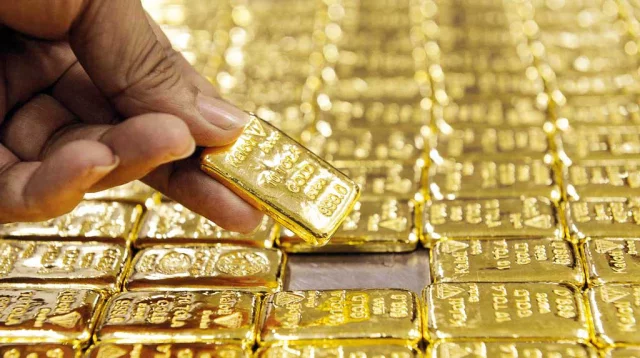

Gold Price Closes in TK 300,000 per Bhori in Bangladesh
Gold prices in Bangladesh reached new heights at the end of January 2026, with the cost of 22-carat gold crossing Tk 286,000 per bhori (11.664 grams), marking the highest price ever recorded in the country’s domestic market. This dramatic surge reflects a blend of international market dynamics, local pricing mechanisms, and broader economic conditions shaping commodity values in Bangladesh.
The Bangladesh Jewellers Association (BAJUS) issued a notice on 29 January 2026 announcing the steep increase: an astonishing Tk 16,213 rise per bhori in a single day, bringing the new 22-carat gold price to Tk 286,001. Such a sharp adjustment, the largest single-day hike in recent memory,underscores the extreme volatility seen in both domestic and global gold markets this month.
How Gold Prices Are Set in Bangladesh
Gold pricing in Bangladesh is primarily governed by the Bangladesh Jewellers Association (BAJUS), which regularly reviews and adjusts local rates based on changes in the price of pure (tejabi) gold and broader market conditions. Local prices include not only the base value of the metal but also a 5 % government-mandated Value-Added Tax (VAT) and a minimum 6 % making charge set by BAJUS, which can vary further depending on a jewellery item’s design, workmanship, and quality.
This pricing model has led to frequent adjustments in 2026: prior to the latest surge, BAJUS had already revised gold prices 15 times this year, including 13 increases and three reductions, reflecting changing market dynamics and continuous reassessments.
Recent Price Milestones in Bangladesh
The gold market in Bangladesh has seen rapid escalation over recent months:
- On 22 January 2026, 22-carat gold topped Tk 250,000 per bhori, another all-time high at that time.
- Mid-January saw prices climb to around Tk 234,680 per bhori, also a historic mark.
- Before 2026, gold prices crossed Tk 2 lakh per bhori in October 2025, a breakthrough that underscored rising global and domestic demand pressures.
The recent Tk 286,000 level is a continuation of this upward trajectory.
Why Gold Prices Are Surging
The dramatic rise in gold prices in Bangladesh is driven by a combination of domestic and global factors:
1. Global Bullion Rally
International gold markets have seen extraordinary activity, with the spot price of gold in global markets surpassing $5,500 per ounce, an unprecedented level driven by economic uncertainty, currency fluctuations, and investor demand for safe-haven assets.
Gold’s traditional role as a hedge against inflation and geopolitical risk has attracted central bank purchases and private investment alike, pushing global demand and therefore prices — higher.
2. Weakness in Key Currencies
Analysts often link gold price rises to a weaker U.S. dollar, which makes gold relatively cheaper for holders of other currencies and boosts demand. Alongside this, central bank monetary policies, particularly interest rate decisions by major players like the U.S. Federal Reserve can influence investor behaviour in gold markets.
3. Local Market Dynamics
BAJUS regularly calibrates domestic gold prices to align with changes in both international bullion prices and domestic supply costs. When the price of pure gold (tejabi gold) rises abroad or in global spot markets, local jewellers adjust their rates to reflect these changes, contributing to sharper movements in Bangladesh.
Political and economic uncertainties, including global geopolitical tensions and financial market volatility also heighten demand for gold as a protective investment, particularly among retail buyers who view gold as a store of value.
Silver and Other Precious Metals Also Rising
Alongside gold, silver prices in Bangladesh have also climbed sharply, with 22-carat silver increasing by Tk 816 per bhori to Tk 8,573 — the highest silver price ever recorded domestically. Silver priced in different carat grades (21 c, 18 c, traditional) also reached new highs at the same time.
The rising price of silver often mirrors movements in the global metals markets and reflects similar investor sentiment toward precious metals in times of economic uncertainty.
Buying, Investment, and Consumer Confidence
Investor and Retail Buyer Behaviour
For many Bangladeshi consumers, gold is not only a jewellery item but also a long-term investment and a cultural asset. Weddings, festivals, and family occasions traditionally see heavy gold purchases. Rapid price increases can therefore have mixed effects:
- Some buyers accelerate purchases anticipating further price rises, potentially creating short-term demand spikes.
- Others delay purchases due to affordability concerns, especially when prices rise faster than incomes or savings.
These trends influence retail demand patterns and consumer confidence in the market.
Affordability Challenges
At over Tk 286,000 per bhori, gold becomes a costly asset for many middle-class families. Jewellery remains a major part of cultural celebrations (e.g., weddings and festivals), so rising prices can impact household budgets and spending behaviour.
Making Charges and VAT
Consumers also bear making charges and 5 % VAT, which add to the total cost of jewellery and can vary significantly depending on design complexity. These charges are set by BAJUS and represent an additional layer of cost beyond the raw metal value.
Comparisons With Historical Trends
The current gold price represents a remarkable rise over the past year:
- In early 2025, gold prices were around Tk 144,890 per bhori, a level that was itself a record at the time.
- By late December 2025, prices had climbed to Tk 229,431 per bhori before continuing upward.
- By mid-January 2026, gold crossed Tk 250,000 per bhori, setting new all-time highs.
- Now, prices have reached Tk 286,000 per bhori — nearly double the levels seen only a year earlier.
This sharp progression highlights how volatile and responsive gold prices are to both global market trends and domestic pricing mechanisms.
Is the Trend Likely to Continue?
Analysts have previously suggested that if global bullion markets stay buoyant and geopolitical or financial uncertainty persists, gold prices could continue to rise. Some forecasts tied gold prices above Tk 250,000 per bhori by the end of 2026 if certain global conditions held and actual market movements appear to have outpaced even those projections.
However, predicting commodity prices is inherently uncertain. Factors that could influence future trends include:
- Movement in the U.S. dollar and global interest rates
- Changes in global inflation expectations
- Shifts in jewellery demand due to cultural or economic shifts
- Government policy on taxes, import duties, and pricing transparency
Gold’s historical role as a hedge means it often responds to financial risk sentiment more than to traditional supply–demand balances seen in other commodities.
What the Record Price Means for Bangladesh
The surge in gold prices to over Tk 286,000 per bhori in Bangladesh is a powerful reminder of how interconnected the domestic market is with international financial and commodity trends. Driven by global bullion rallies, rising pure gold costs, and BAJUS’s pricing model, gold has reached unprecedented levels, creating both opportunities and challenges for buyers, investors, and households.
For consumers, this milestone price underscores the importance of understanding how precious metal markets move and what external forces from currency fluctuations to geopolitical tensions can influence the cost of icons like gold jewellery. Meanwhile, for the broader economy, sustained high gold prices reflect global uncertainty and investor behaviour that prioritises perceived safety in times of economic stress.
As gold continues to shine in the markets, both buyers and analysts will be watching whether prices stabilise, retreat, or continue their historic climb throughout 2026 and beyond.