




Mothurapur: From Humble Village to National Dairy Hub
Once a poverty-stricken settlement in Chatmohar upazila, Pabna district, Mothurapur has undergone a remarkable transformation over the past two decades. What was once a village defined by low-paid labor and limited opportunity is now home to busy dairy sheds, trading signboards, and a thriving livestock business that supplies premium dairy cows across Bangladesh.
Instead of owning or breeding cows themselves, many locals have found success through fast, high-value trading. Traders in Mothurapur buy top-quality or pregnant cows and resell them, often within days, to farmers or dairy entrepreneurs nationwide. Profits per animal typically range from Tk 10,000 to Tk 20,000. This shift from traditional farming to livestock trading has helped lift entire families, and the village itself, out of generational poverty.
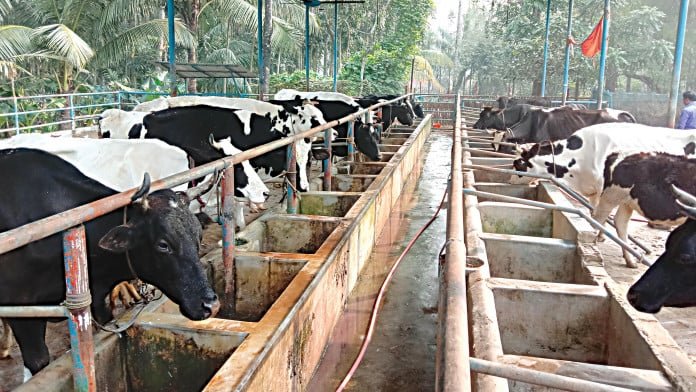
Today, roads in Mothurapur are lined with cattle sheds. Buyers travel from various districts to inspect animals, while sellers use both traditional network channels and online platforms to reach customers. This growing trade network underscores how modern enterprise, not just traditional agriculture, is driving rural economic revival.
Local Entrepreneurs Rewriting Their Destinies
The success stories from Mothurapur demonstrate how local initiative and entrepreneurship changed lives. One example is Md Rashidul Islam, who used to work as a tea vendor. In 2005, he bought a pregnant cow for Tk 75,000. Within a week, he sold it for Tk 100,000 — a profit of Tk 25,000. Encouraged, he built a small shed and began trading more cows.
Rashidul’s enterprise, now called Ratul Dairy Farm, sources high-quality, milk-producing cows from hubs around Chatmohar, Bhangura, Faridpur, Baghabari and beyond. Each month, he sells 10–12 cows, generating steady profits and providing employment for a few locals who previously had no reliable income.
Another entrepreneur, Md Jony Islam, a trained engineer who rejected low-paying jobs, established a modern shed about a decade ago. Leveraging online marketplaces, he attracts buyers from across Bangladesh. Depending on the breed and milk yield, his cows sell for Tk 200,000 to Tk 400,000. Monthly, Jony supplies 15–20 cows, while keeping modern infrastructure like customer rest-areas for long-distance buyers.
These stories show how innovative thinking combining traditional livestock knowledge with modern trade and digital marketing, can turn fortunes around.
Mothurapur: The Numbers Behind the Transformation
What began as a few tentative cow trades has evolved into a full-blown dairy hub. As of now:
- Mothurapur hosts about 25–30 large cattle sheds, operated by local entrepreneurs.
- Around 20 active farms regularly trade cows. On a monthly basis, they trade an estimated 250–300 animals.
- Buyers come from all over Bangladesh; videos and postings on social media platforms help reach customers beyond local markets. This mix of offline sheds and online visibility has expanded the reach of Mothurapur beyond geographical constraints.
Local livestock officials highlight that the wider Pabna district already has a significant dairy infrastructure. Official records show 9,665 registered dairy farms and over 848,000 cows documented though real numbers may be higher. On average, the region supplies around 25,000 tonnes of milk monthly.
This reflects a broader trend: regions with strong dairy infrastructure are now complemented by trade-oriented hubs like Mothurapur, enabling large-scale distribution of high-quality livestock across the country.
How Mothurapur’s Model Benefits Farmers Nationwide
The success of Mothurapur doesn’t only impact local traders — its ripple effects benefit dairy farmers, smallholders, and the national dairy supply chain.
- Access to quality livestock: Farmers from distant districts used to travel extensively to find good cows. Today, they often browse photos and videos online, and choose the animals they want before sending payment. Some sellers even deliver cows directly to buyers.
- Time-saving and convenience: Buyers no longer need to travel over long distances, saving time, money, and stress.
- Boost for dairy industry growth: With easier access to good dairy cows, milk production is likely to rise, which supports national efforts to increase milk output and reduce dependency on imports. This trend fits with broader initiatives to strengthen dairy and livestock value chains in Bangladesh.
- Employment creation: From caretakers and transport workers to feed suppliers and local support staff — the expanding trade ecosystem creates a range of jobs beyond traditional agriculture. Many villagers now enjoy steady income and improved livelihoods.
Why Mothurapur’s Success Matters Nationally and Globally
Boosting Rural Livelihoods Through Entrepreneurial Innovation
Mothurapur’s rise challenges traditional views of rural economy — villagers no longer depend solely on subsistence farming or labor. Instead, small-scale entrepreneurship and smart trading offer paths to sustainable prosperity.
Strengthening Bangladesh’s Dairy Value Chain
Livestock trade hubs like Mothurapur add flexibility and efficiency to Bangladesh’s dairy industry. By making quality cows available nationwide, they help ensure better milk yields and stable supply, contributing to food security and nutritional development.
Model for Rural Transformation
Mothurapur’s model — combining modern infrastructure, digital outreach, and trade networks — can serve as a blueprint for other rural areas. With adequate support and resources, similar cattle-trade hubs may emerge elsewhere, transforming livelihoods and reshaping the rural economy.
Aligning with National Dairy Policies
With the recent establishment of a dedicated Dairy Development Board (under the government’s 2023 Act), Bangladesh aims to formalize and improve the dairy sector. Hubs like Mothurapur — community-driven and market-oriented — complement efforts to expand milk production, ensure quality, and support small farmers nationwide.
Challenges That Lie Ahead
While Mothurapur’s story is largely positive, there are challenges that need careful attention for long-term sustainability:
- Animal welfare and health standards: Ensuring cows are healthy, vaccinated, and transported humanely is vital. In an unregulated or poorly regulated environment, risks of disease spread or mistreatment can grow.
- Overreliance on trade vs. breeding: Since Mothurapur focuses on trade rather than breeding, the country still depends on external or distant breeding centers. This could limit supply of high-quality calves or affect long-term genetic improvement.
- Infrastructure and logistics pressure: As demand grows, roads, transportation services, veterinary support, and regulatory oversight must expand accordingly. Without proper infrastructure, rapid growth can strain resources and erode quality.
- Market volatility and price fluctuations: Livestock prices, demand fluctuations, and seasonal cycles (e.g., festive periods) may affect profitability — especially for small traders.
Mothurapur — A Rural Renaissance in Bangladesh
Mothurapur’s remarkable transformation from a poverty-ridden village to a bustling dairy-cow trading hub offers a powerful lesson: innovation and entrepreneurial drive can reshape rural economies. Through livestock trade rather than traditional farming, villagers have created jobs, improved livelihoods, and contributed meaningfully to the national dairy supply chain.
As Bangladesh continues to strengthen its dairy sector through policy reforms and institutional support including the newly formed Dairy Development Board, the success of Mothurapur could inspire similar models across the country.
With balanced regulation, infrastructure investment, and a commitment to animal welfare, such rural trade hubs can help Bangladesh achieve self-reliance in milk production and secure sustainable livelihoods for thousands of families.