
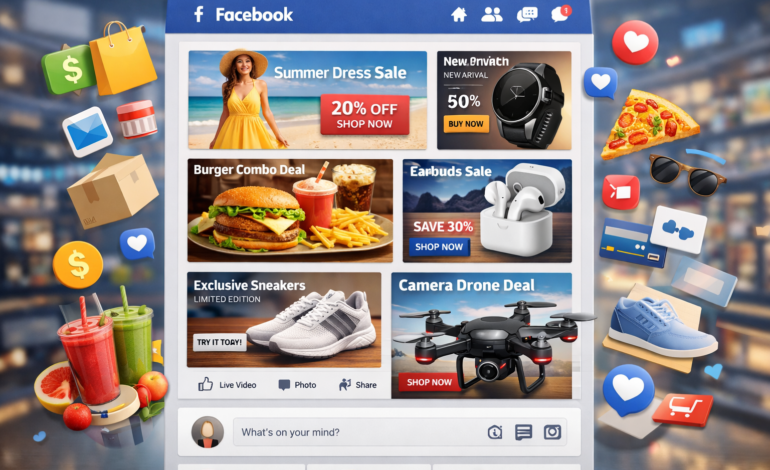

How Facebook Businesses Are Powering Bangladesh’s Micro-Economy
A Marketplace Inside Your Newsfeed
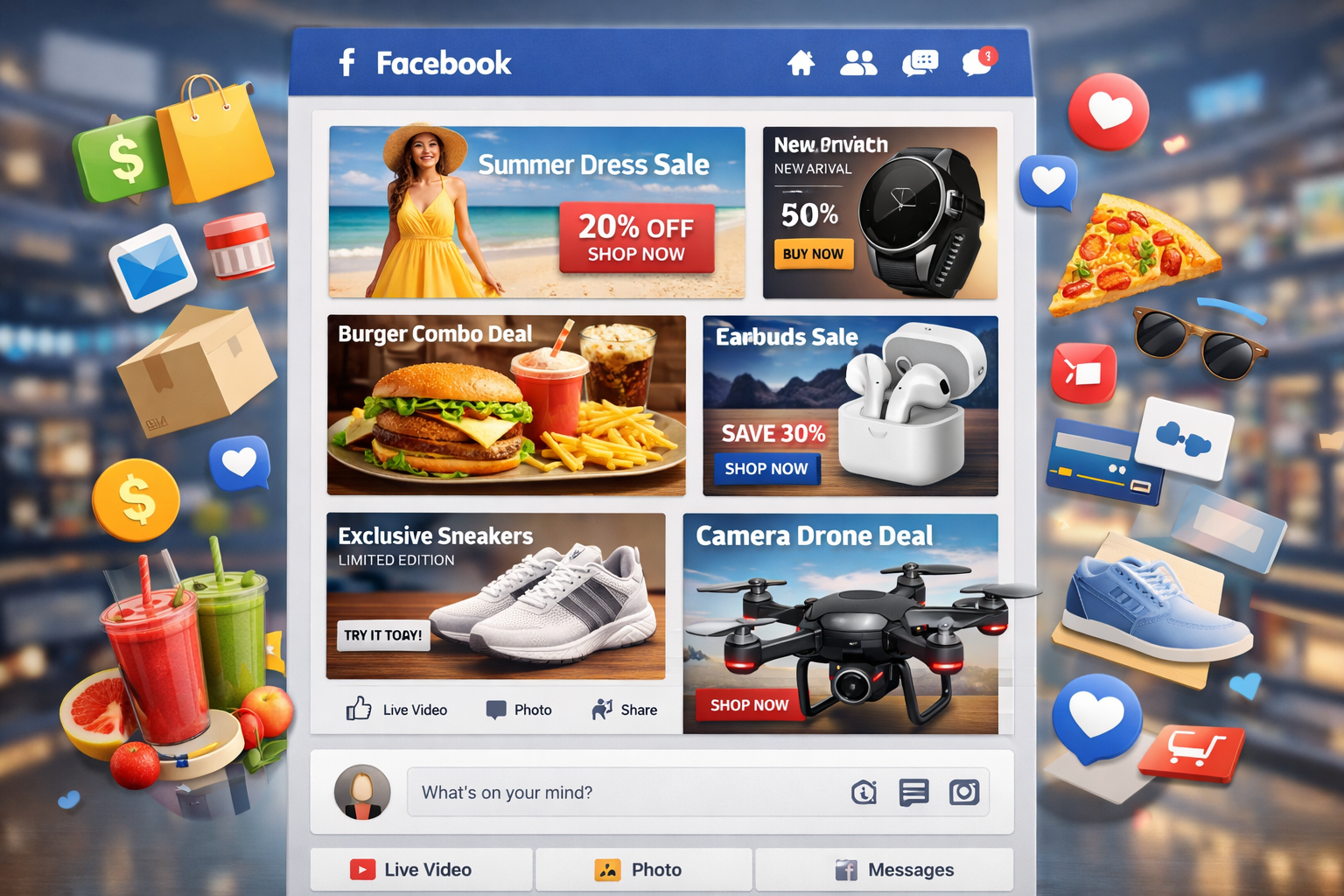
Scroll through Facebook in Bangladesh, and you’ll notice something unusual as your feed is no longer just social. It’s commercial.
Clothing stores, homemade food pages, gadget resellers, thrift shops, thousands of businesses now operate entirely within Facebook. Orders are taken in Messenger, payments are made through mobile banking, and deliveries arrive at your doorstep within days.
This phenomenon, often referred to as “F-commerce,” is quietly transforming Bangladesh’s economic landscape. What began as a convenient way to sell products online has evolved into a powerful engine driving the country’s micro-economy.
A Massive Digital Marketplace
The rise of Facebook businesses in Bangladesh is not small but massive.
Estimates suggest there are over 300,000 Facebook business pages in Bangladesh, with around 200,000–250,000 active F-commerce entrepreneurs operating regularly.
Even more striking is the impact on employment. Industry insiders believe that Facebook-based businesses have created close to a million informal jobs, including delivery workers, content creators, and support staff.
This scale places Facebook at the center of Bangladesh’s informal digital economy.
Why Facebook Works: Low Barrier, High Reach
One of the main reasons Facebook businesses are thriving is accessibility.
Unlike traditional businesses, F-commerce requires:
- No physical shop
- No expensive website
- Minimal startup capital
Anyone with a smartphone and internet connection can start selling products. This is especially important in Bangladesh, where starting a formal business can be complicated due to bureaucratic processes and licensing requirements.
At the same time, Facebook offers access to millions of users. Bangladesh had around 60 million active social media users as of 2025, making it one of the largest digital consumer bases in the region.
This combination low entry barriers and massive reach makes Facebook an ideal platform for micro-entrepreneurs.
Real-Life Scenario: A Business from a Bedroom
Consider a common scenario in Dhaka.
A university student starts a small clothing business from her home. She creates a Facebook page, posts product photos, and begins promoting them through groups and boosted ads.
Orders start coming in through Messenger. Payments are made via bKash. Deliveries are handled by third-party couriers.
Within months, what started as a side hustle becomes a steady income source.
This is not an exception, it’s a pattern.
Many young entrepreneurs, especially those aged 20–30, are entering the market through Facebook-based businesses, often turning informal ventures into full-time income streams.
Powering the Informal Economy
Bangladesh’s economy is largely informal. Around 84% of workers operate outside the formal sector, meaning they are not officially registered or taxed.
Facebook businesses fit directly into this ecosystem.
They:
- Operate without formal registration
- Avoid complex tax structures
- Function with flexible, small-scale operations
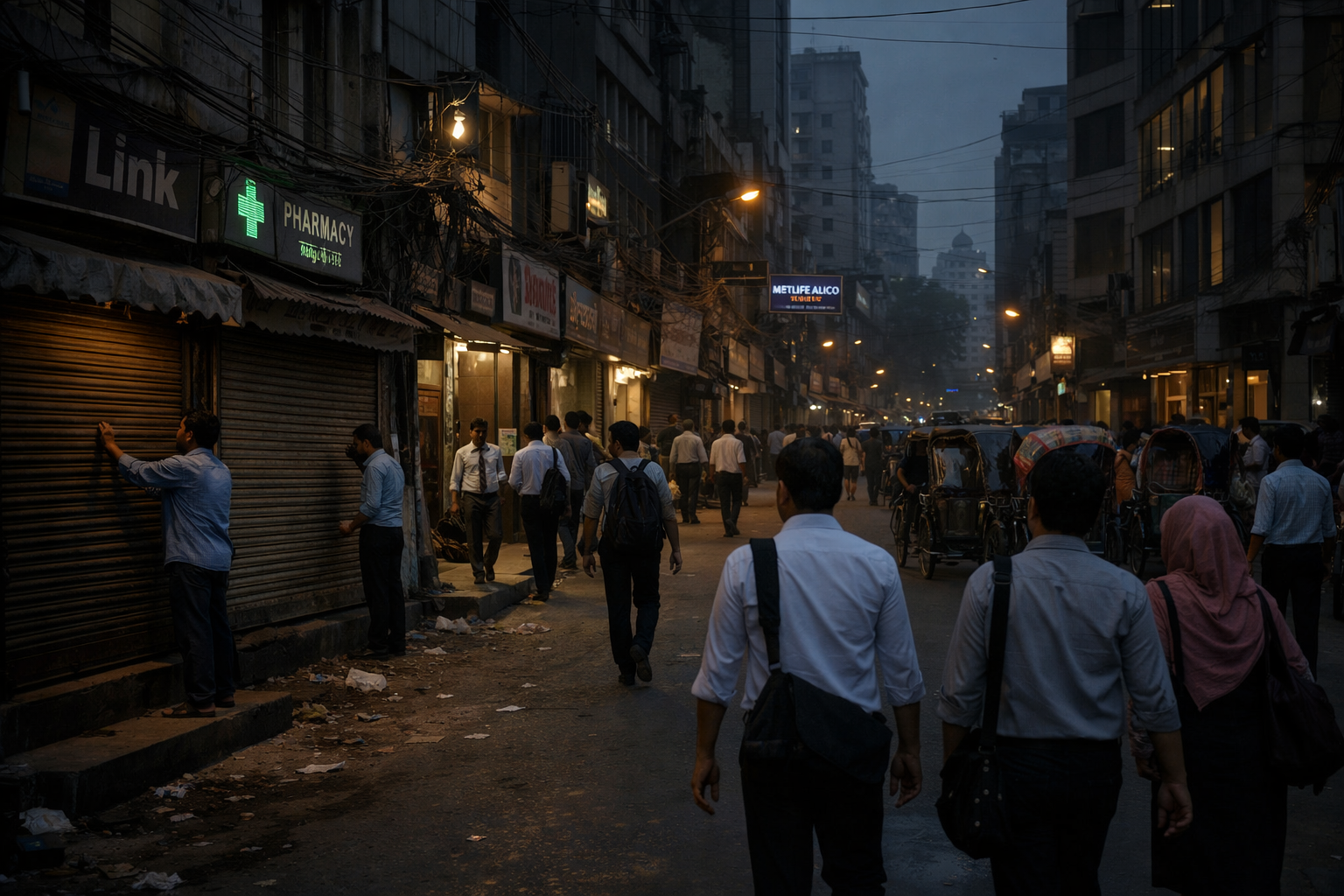
In many ways, F-commerce is a digital extension of Dhaka’s street economy, but it operates online.
Just as street vendors sell from footpaths, Facebook sellers operate from timelines and inboxes.
The Business Model: Simple but Effective
Facebook commerce in Bangladesh follows a relatively simple model:
- Product Display: Photos and videos posted on pages or groups
- Customer Interaction: Buyers message sellers directly
- Payment: Mobile financial services like bKash or Nagad
- Delivery: Courier services handle logistics
This ecosystem works because it removes complexity.
Unlike traditional e-commerce platforms, Facebook allows businesses to interact directly with customers, building trust and relationships through conversations rather than automated systems.
Industries Driving the Growth
Not all products perform equally well on Facebook. Certain categories dominate:
- Clothing and fashion
- Cosmetics and skincare
- Homemade food
- Handmade crafts
These products are visually appealing, easy to market, and suitable for small-scale production.
For many sellers, Facebook is not just a platform, it is their entire business infrastructure.
Job Creation Beyond Sellers
The impact of Facebook businesses goes beyond individual entrepreneurs.
Each successful page often creates additional economic activity:
- Delivery riders earning per order
- Freelance designers creating promotional content
- Digital marketers managing ads
- Packaging suppliers and small manufacturers
This ripple effect strengthens the micro-economy, creating a network of interconnected income streams.
Trust, Regulation, and Sustainability
Despite its growth, F-commerce faces significant challenges.
1. Lack of Regulation
Many businesses operate outside formal systems, raising concerns about tax compliance and accountability.
2. Trust Issues
Customers sometimes face fraud, fake products, or non-delivery common risks in informal markets.
3. Platform Dependency
Businesses rely entirely on Facebook. Disruptions such as internet outages or platform restrictions can immediately halt operations.
For example, during a temporary internet shutdown, many sellers reported losing all income overnight because their “shops” became inaccessible.
The Gender Impact: A New Opportunity Space
One of the most significant impacts of Facebook businesses is on women entrepreneurs.
Many women in Bangladesh face barriers to entering traditional business environments due to mobility, social norms, or safety concerns.
Facebook changes that.
It allows women to:
- Start businesses from home
- Reach customers without physical presence
- Balance work with household responsibilities
This has quietly expanded economic participation, especially among urban and semi-urban women.
From Informal to Digital Economy
The growth of Facebook businesses raises an important question: what comes next?
Experts suggest that Bangladesh needs to:
- Simplify business registration
- Introduce digital-friendly regulations
- Support small entrepreneurs with training and financing
Rather than replacing F-commerce, the goal should be to integrate it into the formal economy without removing its flexibility.
Because at its core, this system works.
A Quiet Economic Revolution
Facebook businesses in Bangladesh are more than just online shops as they are a reflection of how people adapt to economic realities.
They exist because:
- Formal systems are difficult to access
- Technology is widely available
- Demand for affordable goods is high
From students running clothing pages to families selling homemade food, these businesses are powering a micro-economy that operates quietly but effectively.
In a country where millions rely on informal income, Facebook has become more than a social platform—it has become a marketplace, an employer, and for many, a lifeline.
And as digital access continues to grow, this quiet revolution is only getting bigger.