

Eid Rush Boosts Topi, Atar and Punjabi Businesses Across Bangladesh
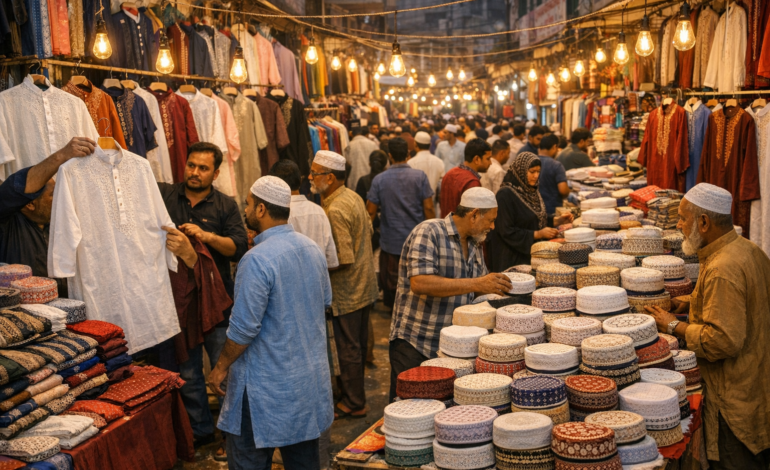
As Eid approaches, shopping hubs across Bangladesh are witnessing a surge of customers searching for traditional attire. Among the most sought-after items are Punjabi Atar and Topi, the classic combination worn by Bangladeshi men during Eid prayers and festive gatherings. From Dhaka’s bustling markets to neighborhood stalls in district towns, traders say the Eid season is the busiest time of the year for their businesses.
With only days remaining before the festival, markets are packed with shoppers eager to buy new clothes. Retailers say the rush for traditional attire reflects not only religious customs but also a cultural tradition deeply embedded in Bangladeshi society.
A Tradition Rooted in Culture and Faith
Wearing new clothes during Eid has long been a cherished tradition in Muslim communities. In Bangladesh, men commonly choose Punjabi paired with a Topi when attending Eid prayers and visiting family members throughout the day.
Fashion observers note that the garment’s popularity lies in its balance between tradition and comfort. On Eid morning, it is common to see men and boys wearing newly purchased Punjabis while heading to mosques or Eidgah grounds for congregational prayers.
The Topi, or prayer cap, often completes the look. For many families, wearing a Topi during Eid prayer is part of a long-standing tradition.
This cultural connection explains why demand for these items spikes dramatically in the weeks leading up to Eid.
Markets Packed with Eid Shoppers
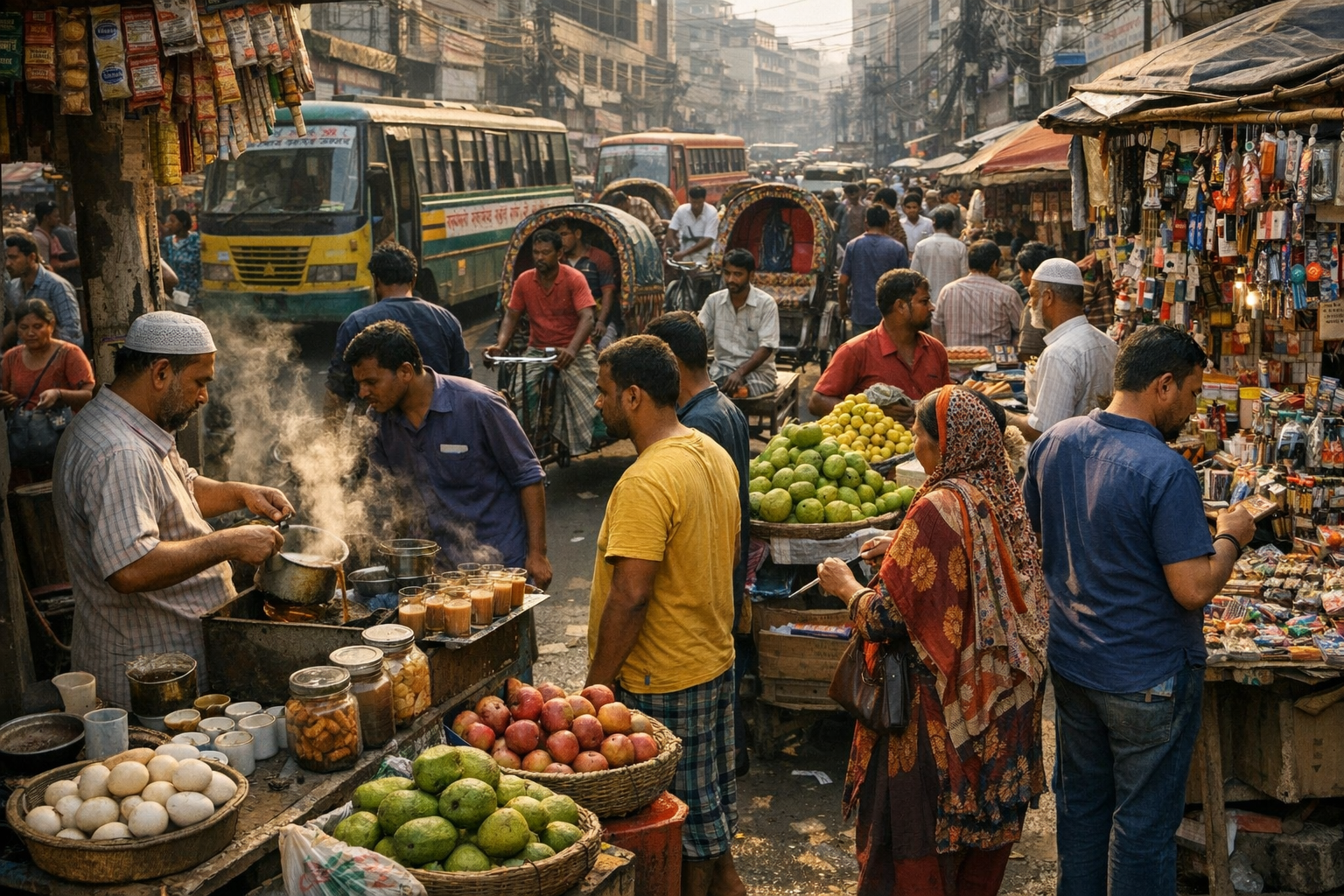
In Dhaka, major shopping destinations such as New Market, Islampur, Gausia Market, and Bashundhara City Shopping Complex have been crowded with buyers searching for the perfect Eid outfit.
Traders say foot traffic has increased significantly during the final weeks of Ramadan. Many customers prefer to shop after iftar, when markets remain open late into the night.
At New Market, one of the capital’s most popular clothing hubs, shop owners report brisk sales of Punjabi collections in various fabrics and designs.
“Sales have increased compared to the early weeks of Ramadan,” said a trader at a men’s clothing shop. “People are coming with families and buying.”
Another vendor added that young buyers are particularly interested in fashionable designs featuring embroidery and modern cuts.
Production Centers Working Overtime
The demand for Punjabi during Eid is so large that the clothing sector treats the season as its most important sales period. Industry insiders estimate that Bangladesh’s Punjabi market is worth hundreds of crores annually, with a large share of total sales occurring during Eid.
To meet this demand, garment workshops and small factories across the country remain busy throughout Ramadan.
Key production hubs include Islampur, Chawkbazar, and Narayanganj, where fabrics are sourced, cut, and stitched before being distributed to retail outlets.
A wholesaler in Islampur said orders from retailers increase dramatically before Eid.
“We start preparing months in advance. As Eid gets closer, the pressure increases because retailers want more designs and more stock,” he said.
Price Range and Popular Designs
Retailers say the price of Punjabi varies widely depending on the fabric, design, and brand.
- Budget options in roadside stalls may start from Tk700 to Tk1,000
- Mid-range collections often sell between Tk1,500 and Tk3,000
- Premium designer pieces can exceed Tk5,000 or more
Cotton remains the most popular fabric, especially because Eid often falls during the hot summer season. Many buyers prefer lightweight cotton or linen designs that are comfortable to wear during long celebrations.
In terms of colors, traders say white, pastel shades, navy blue, olive, and maroon are among the most popular choices this year.
“We see strong demand for light colors because people want something comfortable for the weather,” said a salesperson at a fashion outlet in Bashundhara City.
Embroidered collars, subtle patterns, and minimalist designs are also trending among younger shoppers.
Topi Sellers Also See Strong Demand
Alongside Punjabi sellers, vendors specializing in Topi are also experiencing a busy season.
Markets now display a wide variety of prayer caps, ranging from simple white cotton styles to colorful embroidered designs. The classic white Topi remains the most popular choice for Eid prayers, but decorative designs imported from countries like Pakistan and Turkey are also in the hype.
A Topi seller in Chawkbazar said the Eid season accounts for most of his yearly income.
“Sales increase almost five times during Ramadan,” he said. “People usually buy at least one new Topi before Eid prayers.”
Prices typically range between Tk50 and Tk300 ND more depending on the material and design.
Small Traders Depend on Eid Sales
For many small businesses, Eid shopping provides a vital boost to their annual income.
Temporary stalls selling Punjabi, Topi, and other accessories often appear in busy streets and neighborhood markets during Ramadan.
A roadside vendor in Mirpur said Eid sales help sustain his business for the rest of the year.
“This is the most important time for us,” he said. “If we can sell well during Eid, it helps cover expenses for several months.”
Many small traders also sell complementary items such as scarves, sandals, and prayer beads.
Changing Fashion Trends
While traditional designs remain popular, fashion trends are also evolving.
Retailers say younger customers are increasingly interested in modern Punjabi styles that blend traditional cuts with contemporary patterns.
Some brands have introduced coordinated family outfits where men’s Punjabis match the colors or designs of women’s dresses.
This trend has become particularly popular among families who enjoy taking photographs together during Eid celebrations.
At the same time, classic designs continue to dominate sales among older buyers.
“People may experiment with colors and designs, but the Punjabi itself will never go out of fashion during Eid,” said a retailer in Dhaka.
A Festival that Drives Commerce
Beyond its religious significance, Eid also plays a major role in Bangladesh’s retail economy.
Shopping malls, markets, and street vendors all benefit from the surge in consumer spending during Ramadan. Many families allocate a portion of their Eid bonus or savings to purchase new clothes for the festival.
The seasonal demand creates business opportunities for thousands of people from factory workers and tailors to shopkeepers and street vendors.
Looking Ahead to Eid
As the countdown to Eid continues, traders expect the shopping rush to intensify even further in the final days before the festival.
Markets will remain open late into the night, with vendors hoping to attract last-minute shoppers.
For many Bangladeshis, buying a new Punjabi and Topi is more than just shopping it is part of the excitement and anticipation that surrounds the celebration of Eid.
And for the thousands of traders who depend on the festive season, the annual rush offers both economic opportunity and a reminder of how tradition continues to shape the country’s vibrant marketplace.