

Fuel Crisis Drives E-Bike Demand in Bangladesh: A Shift Towards Smarter Mobility
Bangladesh is witnessing a significant transformation in its transportation landscape in 2026. As fuel shortages intensify across the country, consumers are rapidly turning toward electric alternatives. Among these, e-bikes have emerged as one of the most practical and accessible solutions.
What began as a temporary adjustment to fuel scarcity is now evolving into a long-term shift in urban mobility.
Fuel Crisis: The Catalyst Behind the Shift
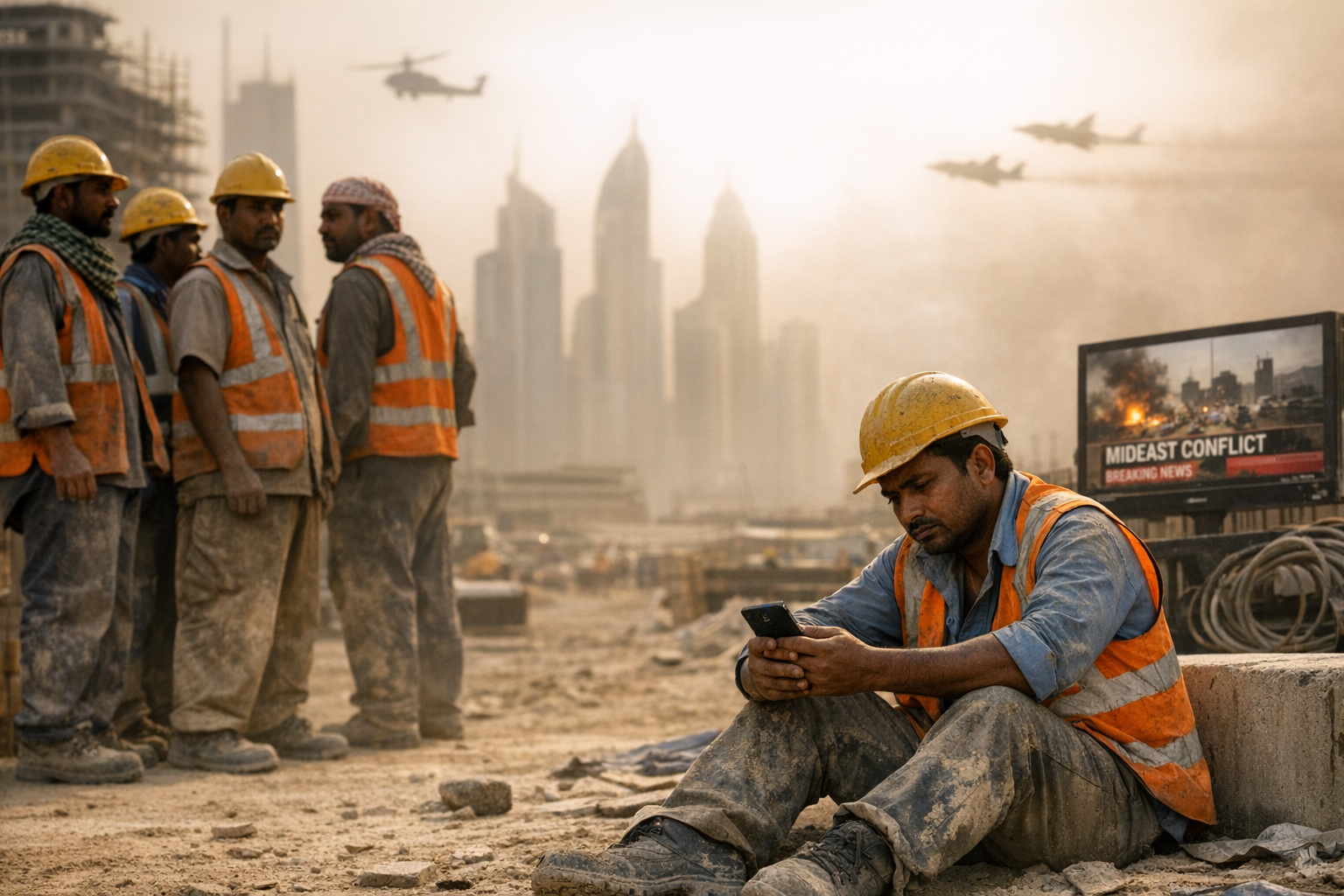
The current fuel crisis in Bangladesh is largely driven by global geopolitical tensions, particularly the conflict involving the United States, Israel, and Iran. These tensions have disrupted global energy supply chains, increasing uncertainty in fuel imports.
In cities like Dhaka, the impact is visible:
- Long queues at petrol stations
- Limited fuel supply per customer
- Rising frustration among commuters
Reports indicate that fuel stock levels are often sufficient for only 9–11 days, highlighting the fragility of the supply chain.
Additionally, panic buying and uneven distribution have worsened the situation, putting immense pressure on the system.
For everyday commuters, this has translated into lost time, reduced productivity, and higher transportation stress.
E-Bikes: A Practical Alternative Emerges
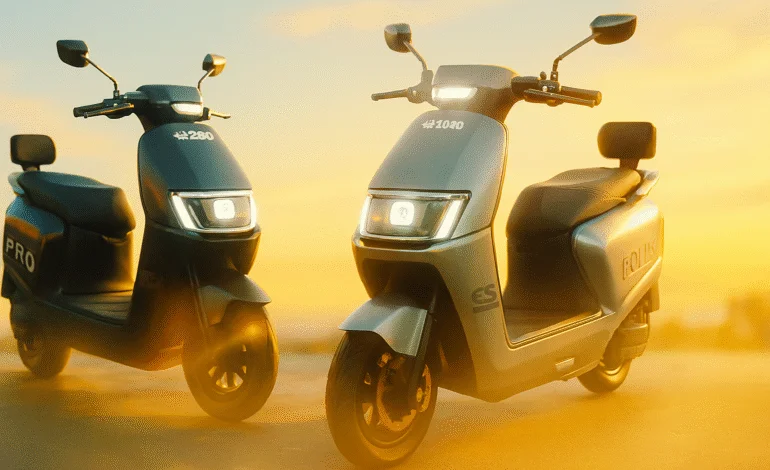
As fuel shortages disrupt daily life, e-bikes are quickly gaining popularity as a reliable alternative. Unlike traditional motorcycles, electric bikes do not rely on petrol or diesel, making them immune to fuel supply disruptions.
A growing number of urban users are making the switch not to replace their primary vehicles, but to avoid the hassle of fuel dependency.
One Dhaka-based professional highlighted this shift, noting that the decision to buy an e-bike was driven by the inconvenience of waiting in long fuel queues rather than cost alone.
This reflects a broader trend: convenience is becoming just as important as affordability.
Explosive Growth in E-Bike Sales
The demand for e-bikes has surged dramatically since the onset of the fuel crisis.
Key Market Trends:
- Monthly sales jumped from 800–1,000 units to around 2,200 units in March 2026
- This represents over 100% growth within a short period
- Sales are projected to reach 3,000 units per month if the trend continues
Even before the crisis, the market was growing steadily at 10–15% annually, but the current situation has accelerated adoption significantly.
Despite this growth, e-bikes still account for only 2–3% of the total motorcycle market, indicating massive untapped potential.
Why E-Bikes Are Gaining Popularity
The rise of e-bikes is not solely due to the fuel crisis. Several structural advantages make them an attractive option:
1. Lower Operating Costs
Charging an e-bike costs approximately Tk 14–15 per full charge, compared to significantly higher fuel expenses.
2. Minimal Maintenance
E-bikes have fewer mechanical components, eliminating the need for:
- Engine oil
- Complex servicing
- Frequent repairs
3. Long Travel Range
Modern e-bikes can travel between 80 to 130 kilometres on a single charge, making them suitable for daily commuting.
4. Environmental Benefits
Electric vehicles produce zero direct emissions, aligning with global sustainability goals.
Industry Players and Market Expansion
The rapid growth of the e-bike market has attracted both local and international players. Major brands operating in Bangladesh include:
- Runner Motors Limited
- Walton
- Pran-RFL Group\
- Revoo
These companies are expanding their product lines and investing in electric mobility to capture the growing demand.
For instance, Runner Motors currently offers multiple models of e-bikes priced between Tk 90,000 and Tk 315,000, catering to a wide range of consumers.
Challenges Slowing Adoption
Despite the promising growth, several barriers continue to limit the widespread adoption of e-bikes:
Lack of Charging Infrastructure
Unlike petrol stations, charging stations are still scarce, especially outside major cities.
Battery Concerns
Consumers remain skeptical about:
- Battery lifespan
- Replacement costs
- Charging time
High Initial Cost
Although operational costs are low, the upfront price of e-bikes can be a barrier for many middle-income buyers.
🏛️ Policy Gaps
Industry leaders have pointed out issues such as:
- High import duties on parts
- Lack of clear EV policies
These factors collectively slow down market expansion.
Economic and Social Impact
The shift toward e-bikes is beginning to reshape Bangladesh’s transportation ecosystem.
Positive Impacts:
- Reduced dependency on imported fuel
- Lower transportation costs for households
- Increased energy efficiency
However, the transition also has broader implications.
Ride-sharing drivers, for example, are struggling due to fuel shortages, with some reporting a drop in daily earnings from Tk 1,200 to Tk 800 due to time lost in fuel queues.
E-bikes could potentially offer a solution to such challenges, particularly for gig economy workers.
A Glimpse Into the Future
The fuel crisis has exposed a deeper issue as Bangladesh’s vulnerability to global energy shocks. As a result, the push toward electric mobility is no longer optional; it is becoming necessary.
Experts believe that with the right policies, Bangladesh could:
- Expand local EV manufacturing
- Develop nationwide charging infrastructure
- Reduce long-term fuel import costs
Emerging technologies like solid-state batteries could further enhance efficiency and accelerate adoption in the coming years.
What This Means for Urban Mobility
The rise of e-bikes in Bangladesh signifies a broader shift in urban mobility. By replacing noisy, fuel-burning motorcycles, e-bikes help reduce both noise and air pollution in crowded cities such as Dhaka and Chattogram. For commuters, riding an e-bike offers a cleaner and calmer journey, less dependent on volatile fuel prices. Over time, this shift could reshape commuting culture, making daily travel more affordable, sustainable, and pleasant.
The growing adoption also highlights the need for supporting infrastructure. Battery-swap stations, rapid charging hubs, and better regulatory frameworks could push e-bikes from being an alternative choice to becoming a dominant mode of transport. The economic implications are equally significant. Expansion of local manufacturing, service networks, and charging facilities can generate jobs and investment, creating ripple effects far beyond the transport sector itself.
Looking Ahead
The fuel crisis of 2026 has triggered a turning point in Bangladesh’s transportation sector. What started as a response to fuel shortages is now evolving into a broader shift toward electric mobility.
E-bikes, once considered a niche product, are quickly becoming a mainstream solution for urban commuters. Their affordability, efficiency, and independence from fuel supply disruptions make them a compelling alternative in uncertain times.
However, for this transition to sustain, Bangladesh must address key challenges particularly infrastructure, policy support, and affordability.
In the end, the rise of e-bikes is not just about transportation it is about resilience, adaptation, and the future of mobility in Bangladesh.