




Bangladesh’s First Indoor Hilsa Farming Project: A Game-Changer for Aquaculture, Trade, and Food Security
Bangladesh is poised to transform its fisheries sector with the launch of the country’s first commercial indoor hilsa farming project, a major innovation that could reshape domestic fish production and significantly expand export potential. Led by one of the nation’s largest agro-industrial conglomerates, the initiative represents a technology-driven leap forward in aquaculture, anchored in international collaboration and cutting-edge systems that could reduce pressure on wild fish stocks and create new economic opportunities.
The project is being developed by PRAN-RFL Group in partnership with Assentoft Aqua Limited, a Danish firm with experience in recirculating aquaculture systems (RAS) and industrial fish farming solutions. With a planned investment of €30 million (approximately BDT 4.3 billion), this venture seeks not only to farm hilsa, Bangladesh’s national fish but also to farm Asian seabass and other marine species in a controlled indoor environment.
Hilsa: Cultural Icon, Economic Mainstay
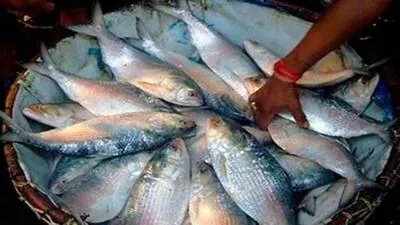
The hilsa is far more than just a fish in Bangladesh. It is a cultural symbol, a cornerstone of Bengali cuisine, and an economic mainstay deeply woven into the identity and livelihoods of millions. Hilsa accounts for a sizeable share of national fish production and supports entire communities engaged in harvesting, processing, and trade.
According to fisheries data, hilsa contributes about 12% of Bangladesh’s total fish production and approximately 1% of national GDP, with nearly 86% of the world’s hilsa catch originating from Bangladesh’s waters. The fish directly and indirectly supports millions of jobs, from artisanal fishers to supply chain workers.
However, traditional hilsa fishing is deeply seasonal and resource-dependent, relying on natural river systems, estuaries, and coastal ecosystems. Seasonal fishing bans, environmental changes, and ecosystem pressures often constrain supply, driving prices higher and limiting availability in both domestic and international markets.
Why Indoor Hilsa Farming Matters
Commercial indoor hilsa farming has long been considered biologically challenging due to the species’ complex life cycle, migratory behavior, and breeding requirements. Unlike pond aquaculture used for simpler species, hilsa has resisted easy domestication in traditional settings. However, advances in aquaculture technology, particularly Recirculating Aquaculture Systems (RAS) have made controlled indoor production far more plausible.
RAS technology allows fish to be raised in enclosed environments where crucial variables like water quality, temperature, oxygen, salinity, and waste are continuously monitored and managed. Water is treated and reused, significantly reducing consumption and disease risk, while providing optimal conditions for growth.
The project includes broodstock management, hatchery, nursery, and grow-out facilities, creating a complete production chain geared to deliver high-quality fish with predictable outputs. Target harvest weights per fish are projected between 1.2 and 1.5 kilograms, with an annual production capacity of around 2,000 tonnes once fully operational.
Strategic Collaboration: Bangladesh Meets Danish Technology
PRAN-RFL’s collaboration with Denmark’s Assentoft Aqua Limited reflects a global technology transfer in aquaculture. Assentoft Aqua specialises in hatchery design, broodstock management, and turnkey RAS solutions in developed markets, bringing expertise to Bangladesh’s ambitious project.
At the project launch, PRAN Group Managing Director Ilias Mridha emphasized the company’s commitment to adopting RAS technology to meet rising domestic and global demand for premium marine fish. The tie-up with Danish technology partners is intended to combine advanced systems with local market understanding.
Representatives from Assentoft Aqua have expressed confidence in the partnership, highlighting international technical and financing support that the venture has secured as part of Denmark-Bangladesh cooperation.
Economic and Trade Impacts
By introducing the first commercial indoor hilsa farming operation, Bangladesh aims to reduce reliance on wild catches, which fluctuate seasonally and are susceptible to ecological pressures. Indoor cultivation could support year-round production, stabilizing supply and mitigating seasonal shortages that often drive prices beyond the reach of many consumers.
Beyond consumer markets, there is clear export potential. Demand for hilsa among Bangladeshi expatriate communities is particularly strong in regions such as the Middle East, Europe, North America, and Australia. Stable indoor production could help Bangladesh capture a larger share of premium markets and boost foreign exchange earnings.
In parallel, the project will also produce Asian seabass (barramundi) and potentially other high-value species, diversifying output and spreading commercial risk across multiple product lines.
Challenges and Technical Complexities
Despite the promise, experts have noted that hilsa farming remains biologically complex, especially at commercial scale. Senior scientists from organizations like the Bangladesh Fisheries Research Institute (BFRI) highlight that controlling hilsa breeding behavior in captivity is historically difficult.
For decades, researchers in Bangladesh, India, and other parts of South Asia have worked to understand hilsa’s reproductive biology and aquaculture potential. Though progress has been made in captive rearing and early experiments in tanks and ponds, scalable commercial models have been rare and challenging to achieve.
Implementing RAS technology is itself capital-intensive, requiring strong technical capacity, consistent power supply, and rigorous management protocols to ensure economic viability. This project, developed in phases over the next two years, represents a high-risk, high-reward bet on the future of marine aquaculture in Bangladesh.
Environmental and Sustainability Considerations
Commercial indoor farming could reduce pressure on wild hilsa stocks, helping preserve river and coastal ecosystems that have historically supported artisanal fishing communities. Overfishing and environmental degradation have prompted seasonal bans and conservation efforts; sustainable indoor production offers a complementary approach to conservation goals.
However, ensuring sustainability will require effective regulation, environmental safeguards, and continuous monitoring to prevent unintended impacts, such as water pollution or disease outbreaks in enclosed systems. Stakeholders, including government agencies and research institutions, will need to support best practices and performance standards.
Global Context and Future Prospects
While Bangladesh’s initiative is pioneering in scale and ambition, indoor aquaculture is gaining traction globally as countries seek to balance food security, sustainability, and economic growth. Controlled environment aquaculture (CEA) represents a frontier in modern food systems, with applications ranging from shellfish to high-value marine species. When successful, such projects can improve resilience against climate change, supply chain disruptions, and ecosystem pressures affecting traditional fisheries.
For Bangladesh, the PRAN-RFL indoor hilsa farm could become a case study for innovation in fisheries management and export diversification, inspiring similar ventures across South Asia and beyond. If scaled successfully, it could also support rural job creation and stimulate value-chain activities in processing, transportation, and cold-chain logistics.
In a nutshell
Bangladesh’s first commercial indoor hilsa farming project marks a significant milestone in the evolution of the country’s aquaculture sector. By leveraging advanced RAS technology through an international partnership, PRAN-RFL Group is positioning Bangladesh at the forefront of modern marine fish production. This initiative promises to enhance food security, stabilize market prices, and unlock new trade opportunities, while also addressing conservation and sustainability challenges.
As the project unfolds over the next two years, stakeholders will be watching closely to see whether indoor hilsa farming can move from ambitious vision to long-term reality, a potential model for sustainable aquaculture not just in Bangladesh, but across developing economies looking to innovate within traditional industries.