




Bangladesh’s Agar Attar Hub: The Timeless Scent of Sujanagar

Bangladesh’s Agar Attar Hub: The Timeless Scent of Sujanagar
In the quiet town of Sujanagar in Bangladesh’s Pabna district, an aromatic heritage has been flourishing for generations. Sujanagar has earned a reputation as the agar attar hub of the region, where fragrant essences distilled from agarwood, one of the world’s rarest and most prized natural scents are crafted with skill, precision, and cultural pride. As global demand for natural fragrances grows, Sujanagar’s agar attar makers are poised to bring this time-honored tradition to new markets while preserving the craft’s roots in community and nature.
This article explores how agar attar production shapes local culture, the unique qualities of Sujanagar’s scent heritage, the economic impact on artisans, and what the future may hold for Bangladesh’s aromatic exports.
What Is Agar Attar?
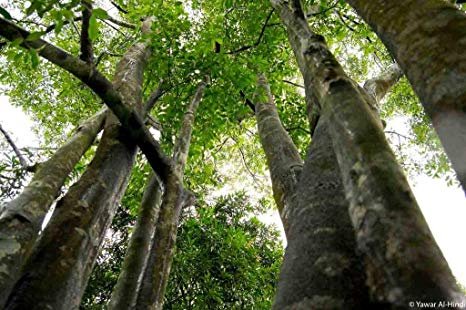
Agar attar also known as oud, agarwood oil, or aloeswood perfume, is a natural essential oil extracted from the resinous heartwood of the agarwood tree (Aquilaria species). When these trees become infected with a specific type of mold, they produce a dark, aromatic resin as part of their defense mechanism. This resinous wood is then processed to produce agar attar, a highly valued fragrance used in perfumery, traditional rituals, and high-end luxury products.
Because agarwood forms only under particular biological conditions and is rare in nature, the oil derived from it commands some of the highest prices in the fragrance world. In global markets, agar attar and oud oil can fetch thousands or even tens of thousands of dollars per kilogram, depending on quality, age, and purity.
Sujanagar: Bangladesh’s Scented Heartland
Sujanagar’s role as a center for agar attar production dates back generations, when local artisans first began collecting and distilling agarwood into aromatic essences. Over time, techniques were refined and knowledge passed down within families and communities.
Unlike many commercial perfume industries that rely on synthetic compounds, Sujanagar’s producers specialise in natural agar attar — a distinction that appeals to traditional markets in the Middle East, South Asia, and increasingly, luxury fragrance consumers in Europe and North America.
Artisans in Sujanagar source agarwood from nearby forests and plantations, then employ traditional methods of steam distillation to extract the fragrant oil. The process requires patience, refined skill, and careful attention to temperature and timing to preserve the depth of scent.
Craftsmanship and Cultural Heritage
Agar attar production in Sujanagar is more than an economic activity: it is an art form with cultural resonance. Many families in the area have been involved in the trade for decades, teaching younger generations the steps required to recognise quality wood, prepare the distillation apparatus, and evaluate the nuanced fragrance that distinguishes premium attar.
In local markets and workshops, one can observe the meticulous care that goes into each batch. Wooden barrels, copper stills, and clay pots are all part of a distillation tradition that marries empirical knowledge with sensory expertise.
Elders often recount stories of early days when agarwood was traded locally or sold to neighbouring regions, long before globalization expanded interest in oud and agar attar. These personal and collective memories contribute to Sujanagar’s identity as a fragrance hub deeply rooted in place and practice.
Economic Impact and Community Livelihoods
For many families in Sujanagar, agar attar production provides a vital source of income. Unlike seasonal agricultural work, distilling and processing agarwood can be practised year-round, offering financial stability for artisans and their households.
The local economy benefits in several ways:
- Direct employment in distillation and processing
- Trade and export opportunities for artisan cooperatives
- Supporting activities such as wood sourcing, storage, and logistics
- Preservation of traditional skills and intergenerational employment continuity
In recent years, improved access to digital platforms has allowed some producers to reach buyers beyond Bangladesh’s borders. Small cooperatives and individual entrepreneurs have begun marketing their products online, connecting with niche fragrance communities and luxury retailers that value authentic, natural attar.
Challenges in Agar Attar Production
Despite its global appeal and cultural importance, agar attar production in Sujanagar faces several challenges:
1. Supply of Agarwood
Agarwood itself is rare, and sustainable sourcing is critical. Trees must be infected with the right mold to produce resin, and natural forests are limited. Overharvesting or poor environmental management risks exhausting local supplies.
2. Quality Control
The value of agar attar depends heavily on its purity, age, and aroma profile. Maintaining consistent quality requires training, sensory evaluation skills, and sometimes expensive distillation equipment.
3. Market Access
While demand is rising globally, many local producers lack the networks or marketing capacity to expand into international markets. Export regulations, certification requirements, and branding barriers can make global trade difficult without institutional support.
4. Environmental Sustainability
Responsible harvesting and forest management are essential to protect agarwood trees and biodiversity. Climate change, deforestation, and unregulated wood collection threaten long-term sustainability.
Innovations and Adaptations
To meet these challenges, some producers and stakeholders in Sujanagar are exploring innovative approaches:
Agarwood Plantation Projects: Cultivating infected Agar trees under controlled conditions to ensure a steady supply of quality resinous wood.
Cooperative Marketing: Joining forces to consolidate production, share resources, and reach larger markets with better pricing power.
Eco-Certification: Pursuing sustainable harvest and ethical production certifications that appeal to conscious consumers.
Brand Development: Creating distinct identity and packaging for Sujanagar attar that emphasises its origin, natural methods, and artisan value.
These adaptations seek to balance tradition with competitiveness in a global market that increasingly values authenticity and sustainability.
Global Demand and Cultural Appreciation
Agar attar has long been prized in the Middle East and South Asia for its deep, resinous scent and cultural significance. In Gulf countries, oud and agarwood oils are integral to personal grooming, ceremonial occasions, and traditional perfumery. As global luxury markets evolve, interest in niche natural fragrances has expanded into Europe, North America, and East Asia.
Consumers today are more aware of provenance, artisanal craft, and environmental ethics. Sujanagar’s natural agar attar, with its deep cultural roots and handcrafted production, fits this emerging demand.
Trade shows, international perfume expos, and cross-border collaborations present opportunities for Bangladesh’s producers to position their attar as a premium natural product with a compelling story tied to heritage and sustainability.
Cultural Identity and Global Recognition
At its core, agar attar production in Sujanagar is not just an economic resource, it is a symbol of cultural identity. It represents the persistence of traditional knowledge, the value of sensory artistry, and the capacity of local communities to contribute to global culture.
As Bangladesh positions itself on the world stage in industries ranging from apparel manufacturing to information technology, agar attar offers another avenue for cultural export, one rooted in centuries-old practice.
If nurtured responsibly, it can become a hallmark of Bangladeshi craftsmanship in a global landscape that increasingly values sustainable, authentic, and locally sourced products.
Preserving Scent and Sustainability
Sujanagar’s agar attar hub exemplifies how traditional practices can remain relevant in a modern world. By balancing heritage with market innovation, local artisans are carving a space for Bangladesh in the global fragrance economy while safeguarding community livelihoods and cultural memory.
As demand for natural scents grows, and as consumers seek products with genuine story and sustainable roots, Bangladesh’s agar attar stands poised to gain wider recognition. The challenge will be to preserve the ecological and cultural foundations that make these fragrances timeless, ensuring that the scent of Sujanagar continues to captivate the world for generations to come.