



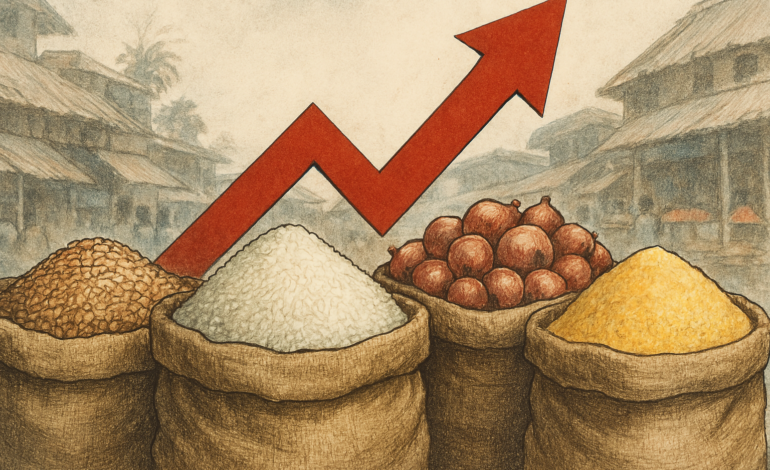

Bangladesh Ramadan Market Paradox: Prices Surge Even With Record Sugar Supply
As the holy month of Ramadan begins, Bangladesh’s markets are experiencing a puzzling economic situation. Despite reports that warehouses are full and imports of essential commodities have reached record levels, retail prices continue to rise, putting pressure on consumers. This unusual trendoften described as a market paradox has sparked debate among economists, policymakers, and the public.
From inflation and supply chain inefficiencies to market control and consumer behavior, several factors explain why prices can increase even when supplies appear abundant.
Record Supplies but Rising Prices
Recent market observations suggest that Bangladesh currently has strong availability of key commodities, particularly during Ramadan when demand typically increases. Import data indicates that essential goods have entered the country in large quantities, and wholesale warehouses reportedly hold substantial stock. However, consumers at the retail level are still facing higher prices.
This disconnect between supply and price challenges the traditional economic expectation that increased supply should lead to lower prices. According to economic theory, when supply rises faster than demand, prices usually decline.
Commodity Import Volume (Current) Comparison to Previous Year
Sugar 473,000 tonnes 39% increase
Lentils 229,000 tonnes Significant surplus
Chickpeas 28.29% above demand Record availability
Dates / Onions Multi-fold increase Massive stockpiles
These figures indicate that Bangladesh’s markets are not facing a shortage of essential Ramadan items. Instead, warehouses and supply chains are reportedly stocked with large quantities of goods.
However, despite these record imports and availability, consumers continue to experience high prices in retail markets. This contradiction has fueled discussions about market inefficiencies, supply chain disruptions, and the role of intermediaries in determining final prices.
Economists note that when imports and supply reach such high levels, prices would normally stabilize or decrease.
Inflation and the Broader Economic Context
One major reason behind rising prices is inflation, which has been affecting Bangladesh in recent years. Inflation reduces purchasing power and pushes up the cost of goods and services across the economy. Rising global commodity prices, currency pressures, and fuel costs have all contributed to this trend.
In Bangladesh, inflation has remained a key concern, creating financial strain for households. The persistent increase in the prices of essential goods has become a major challenge for both policymakers and consumers.
When inflation remains high, even a strong supply of goods may not immediately translate into lower retail prices.
Supply Chain Inefficiencies
Another significant factor is inefficiencies in the supply chain. Goods often pass through multiple intermediaries from importers and wholesalers to distributors and retailers before reaching consumers. Each stage can add costs, contributing to higher prices.
Studies on price hikes in Bangladesh show that supply chain problems, logistical challenges, and limited competition in certain sectors can significantly raise the cost of goods.
Transportation expenses, storage costs, and delays in distribution can further worsen the situation, preventing the benefits of abundant supply from reaching consumers.
Market Syndicates and Price Manipulation
In some cases, analysts argue that organized market groups or syndicates may influence pricing. When a small number of traders control the supply of essential goods, they can maintain higher prices even when supply levels are strong.
Economic discussions about Bangladesh’s markets suggest that prices are sometimes influenced not purely by supply and demand but by market power and control within certain sectors.
This dynamic can create a situation where prices remain high despite sufficient supply, reinforcing the perception of a market paradox.
Seasonal Demand During Ramadan
Ramadan itself plays a role in shaping market trends. During this period, demand for essential food items such as rice, sugar, edible oil, and dates increases significantly. Even if supplies are high, sudden spikes in demand can keep prices elevated.
In addition, consumer behavior changes during Ramadan, as households often purchase more food items for iftar and charity activities. This seasonal demand surge can reduce the impact of increased supply on retail prices.
Global Factors Affecting Domestic Prices
Bangladesh’s economy is closely connected to global markets, meaning international developments can influence domestic prices. Global oil prices, currency fluctuations, and import costs all play a role in determining the final price of goods.
Research shows that external factors such as global fuel prices and economic policies can significantly affect inflation and market stability in Bangladesh.
When global costs rise, traders may increase prices locally to cover higher import expenses.
Consumer Perception and Market Behavior
Another important aspect of the market paradox is consumer perception. If people believe prices will rise further, they may rush to buy goods early, increasing demand artificially. This behavior can push prices up even when supply levels are high.
Economic analysis highlights that consumer expectations and market sentiment can influence price trends, sometimes disrupting the normal balance between supply and demand.
This phenomenon often occurs during periods of uncertainty or high inflation.
Government Efforts to Stabilize the Market
To address rising prices, government is taking measures by doing market monitoring, import facilitation, and subsidized sales of essential commodities. In Bangladesh, authorities frequently conduct market inspections and attempt to control price manipulation during Ramadan.
Such initiatives aim to ensure that increased supply actually benefits consumers and prevents unnecessary price hikes.
However, experts suggest that long-term solutions require deeper reforms in supply chains, improved market competition, and stronger regulatory frameworks.
Why the Market Paradox Matters
The issue of rising prices despite strong supply is more than just an economic puzzle as it directly affects millions of people. For low- and middle-income families, higher food prices during Ramadan can create serious financial pressure.
Persistent price hikes also raise broader concerns about economic stability, inflation management, and market transparency. Addressing these issues is crucial for ensuring that economic growth benefits all sections of society.
In a Nutshell
The current market situation in Bangladesh highlights a complex economic reality. Even though supplies of essential goods are high, a combination of inflation, supply chain inefficiencies, market dynamics, and seasonal demand is keeping prices elevated.
This market paradox underscores the need for stronger market regulation, better logistics, and improved transparency in pricing. While increasing supply is an important step, it alone is not enough to stabilize prices.
For Bangladesh, solving this puzzle will require coordinated efforts from policymakers, businesses, and market regulators to ensure that consumers truly benefit from abundant supplies.