



Food Exports to the Gulf Are Under Pressure: How the Middle East Conflict Is Hitting Bangladesh
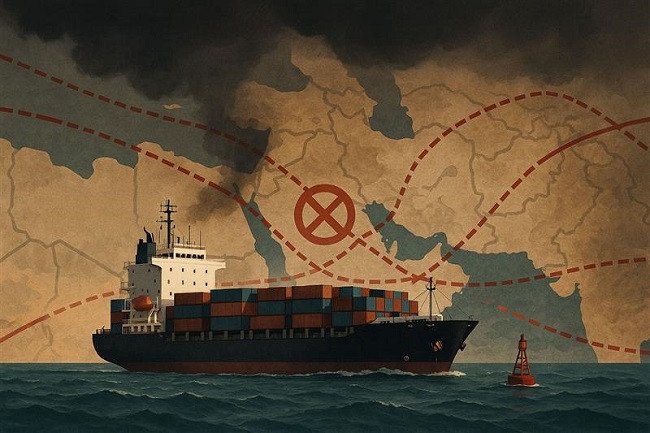
Bangladesh’s food export sector is facing a new challenge as geopolitical tensions in the Middle East begin to ripple across global trade routes. The ongoing conflict in the Gulf region has already disrupted energy markets, shipping lanes, and air cargo networks, key components that Bangladesh depends on to export food products.
For exporters, especially those dealing with perishable goods, the situation is becoming increasingly difficult. Rising costs, delayed shipments, and uncertain logistics are now threatening a sector that has been steadily growing in recent years.
Why the Gulf Market Matters for Bangladesh
Countries like Saudi Arabia, the United Arab Emirates, Qatar, and Oman are one of the most important destinations for Bangladeshi food exports. These markets have strong demand for items such as:
- Processed foods
- Frozen fish
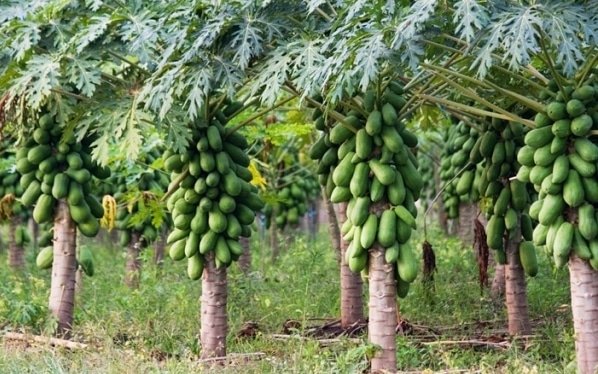
- Vegetables and agricultural products
A significant portion of Bangladesh’s perishable exports relies on fast and efficient logistics, particularly air cargo routes that pass through Middle Eastern hubs.
However, with the escalation of conflict, these critical trade routes are now under pressure.
How the War Is Disrupting Food Exports
The impact of the conflict is being felt primarily through disruptions in transportation and logistics. Air cargo operations, which are essential for exporting perishable goods, have been severely affected. A large share of Bangladesh’s air shipments typically transits through Middle Eastern hubs, but many of these routes are now restricted or suspended.
As a result, exporters are being forced to reroute shipments through alternative hubs in countries like China or Malaysia. While this keeps trade moving, it significantly increases both cost and delivery time. For perishable items, even small delays can lead to spoilage and financial loss.
Sea freight is also facing major challenges. Shipping companies have begun avoiding high-risk zones in the Gulf and nearby regions, opting for longer routes instead. These detours not only extend transit times but also increase fuel consumption and operational costs.
Rising Costs and Financial Pressure
One of the most immediate effects of the conflict is the sharp increase in transportation costs. Freight charges have surged due to:
- Higher fuel prices
- Increased insurance premiums
- War-risk surcharges
Insurance costs, in particular, have risen as shipping through conflict zones becomes more dangerous. In some cases, insurers are reducing coverage or charging significantly higher premiums, making exports more expensive and less competitive.
For Bangladeshi exporters, these added costs are difficult to absorb. Many operate on thin profit margins, especially in the food sector. As expenses rise, exporters may either reduce shipments or pass the cost on to buyers—both of which can hurt demand.
Delays and Supply Chain Breakdown
The war has also caused significant delays in global supply chains. Ships are taking longer routes, flights are being cancelled or rerouted, and ports are experiencing congestion. These disruptions are particularly damaging for food exports, where timing is critical.
In Bangladesh, containers filled with frozen fish, vegetables, and other perishable goods have reportedly been stuck at ports, waiting for shipment.
Such delays not only increase storage costs but also risk product spoilage. For exporters, this translates into direct financial losses and damaged relationships with international buyers.
Energy Crisis and Its Ripple Effects
The Middle East conflict is not just affecting logistics but it is also driving up global energy prices. Since Bangladesh relies heavily on imported fuel, the increase in oil and gas prices is putting additional pressure on the economy.
Recent estimates suggest that Bangladesh’s annual energy import bill could rise by billions of dollars due to the crisis.
Higher energy costs affect every stage of the export process, from production to transportation. Farmers, processors, and exporters all face increased expenses, making Bangladeshi products less competitive in international markets.
Fertilizer Disruptions and Agricultural Impact
Another major concern is the disruption of fertilizer supply. The Gulf region plays a crucial role in global fertilizer production and trade. With shipping routes affected and production facilities under threat, fertilizer prices are expected to rise.
This has a direct impact on Bangladesh’s agricultural sector. Higher fertilizer costs can reduce crop yields or increase production expenses, both of which ultimately affect export capacity.
Global organizations have already warned that prolonged conflict could significantly disrupt food systems, particularly in countries that depend on imported agricultural inputs.
Exporters Facing Uncertainty
For Bangladeshi exporters, the current situation is marked by uncertainty. Orders are becoming harder to fulfill on time, costs are rising unpredictably, and buyers may start looking for alternative suppliers.
In highly competitive markets like the Gulf, reliability is key. If Bangladeshi exporters fail to meet deadlines or maintain quality, they risk losing long-term contracts.
Small and medium-sized exporters are particularly vulnerable, as they have limited capacity to absorb losses or adapt to sudden changes in logistics.
Wider Economic Implications
The disruption of food exports is part of a broader economic challenge facing Bangladesh. The Middle East is not only a key export destination but also a major source of remittances and energy supplies.
Recent studies warn that the conflict could:
- Reduce remittance inflows
- Increase inflation
- Slow economic growth
For a country like Bangladesh, which is deeply connected to the Gulf region, these combined effects could create significant economic pressure.
What Can Be Done?
To mitigate the impact of the crisis, both the government and private sector need to take proactive steps. Diversifying export markets is one potential solution. By reducing dependence on a single region, Bangladesh can better withstand geopolitical shocks.
Improving logistics infrastructure is another key priority. Investments in alternative shipping routes, cold storage facilities, and faster processing systems can help reduce delays and losses.
Digital trade platforms can also play a role by connecting exporters with a wider range of buyers, allowing them to adapt more quickly to changing market conditions.
Looking Ahead
The ongoing conflict in the Middle East has exposed the vulnerability of Bangladesh’s food export sector to global disruptions. From rising costs and delayed shipments to supply chain breakdowns and energy shocks, the challenges are significant and multifaceted.
While the situation remains uncertain, it also highlights the need for greater resilience in Bangladesh’s trade and logistics systems. By adapting to these challenges and investing in long-term solutions, the country can better protect its export sector and sustain growth in an increasingly unpredictable global environment.