



Bangladesh Becomes Top Denim Exporter to the US in 2025: A Milestone for the Apparel Industry
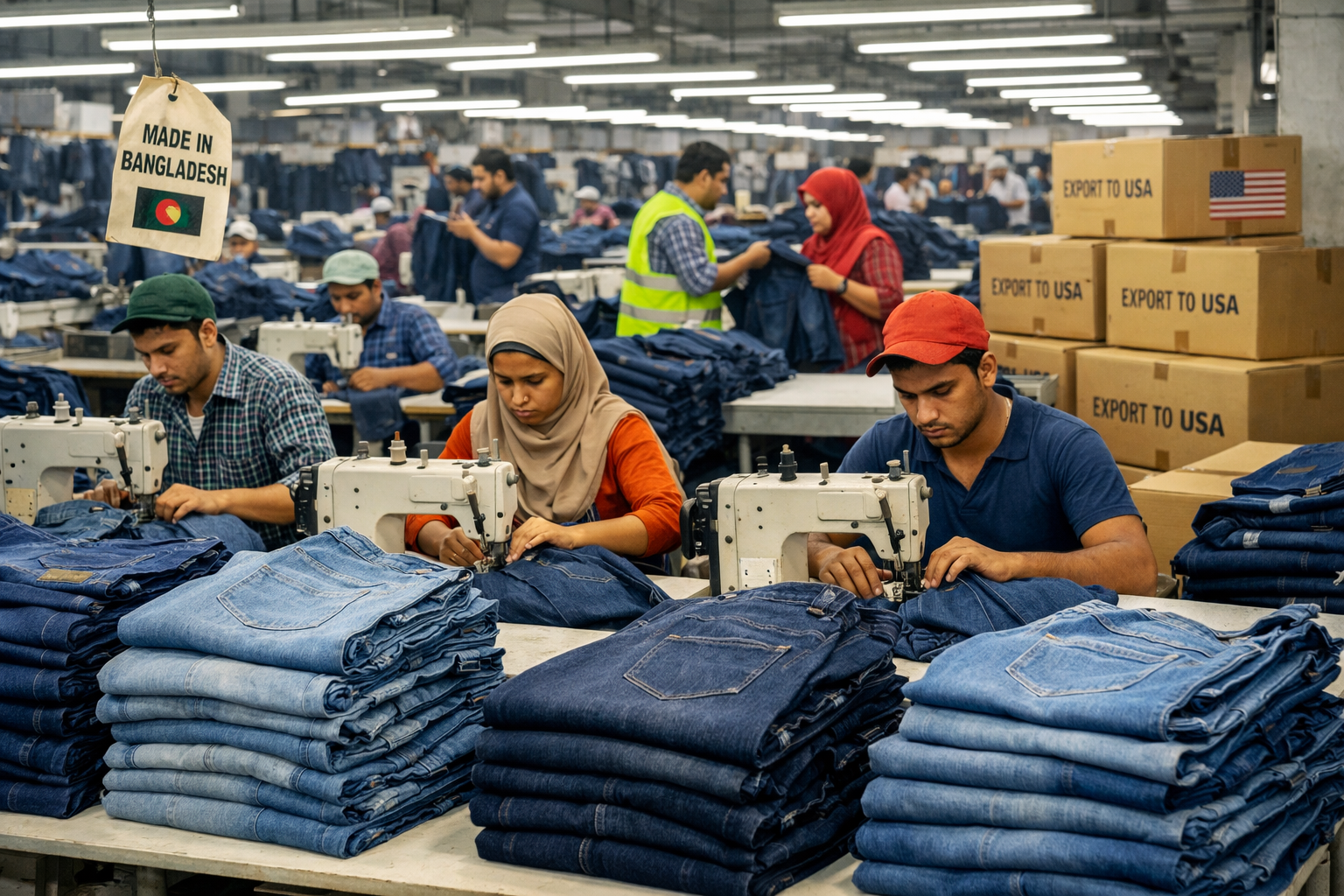
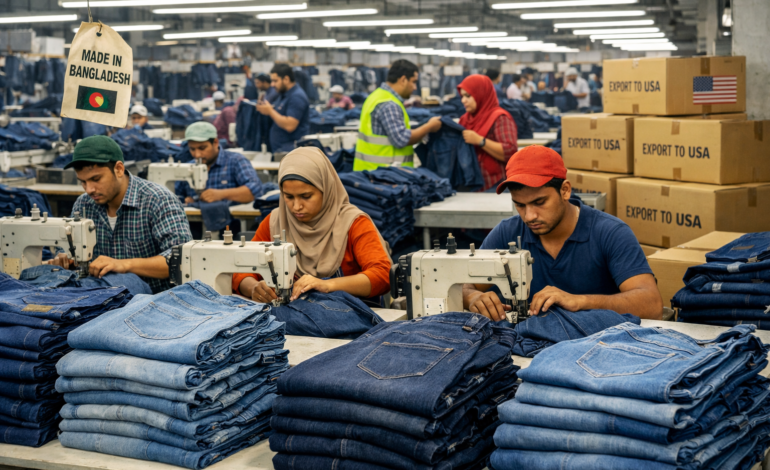
Bangladesh has achieved a significant milestone in the global apparel industry by becoming the top denim exporter to the United States in 2025. This achievement highlights the country’s growing dominance in the ready-made garments (RMG) sector and reinforces its position as a key player in global fashion supply chains.
At a time when international trade faces uncertainty and shifting dynamics, Bangladesh’s success in denim exports reflects its ability to adapt, compete, and deliver quality products at scale.
Bangladesh Tops Denim Exports to the US
Bangladesh has overtaken other major exporters to become the leading supplier of denim garments to the US market, exporting about $955.7 million, according to data from the US Office of Textiles and Apparel (Otexa)This marks a major shift in global sourcing patterns, with buyers increasingly relying on Bangladeshi manufacturers.
Moreover, the export earnings witnessed a robust year-on-year positive growth of 34.06 per cent from $713 million exported in 2024.
The growth in denim exports is driven by strong demand from US consumers, who continue to favor denim products for their versatility and durability. Bangladesh’s ability to meet this demand consistently has played a crucial role in securing the top position.
This achievement also reflects years of investment in manufacturing capacity, compliance, and product development within the country’s garment industry.
Why Denim Matters in Global Fashion
Denim is one of the most important segments in the global apparel market. From jeans to jackets, denim products remain a staple in fashion across all age groups and regions.
The US, in particular, is one of the largest consumers of denim garments. Securing a dominant position in this market gives Bangladesh a significant advantage in terms of export earnings and global recognition.
By leading denim exports to the US, Bangladesh strengthens its reputation as a reliable sourcing destination for high-volume, quality apparel production.
Key Factors Behind Bangladesh’s Success
Several factors have contributed to Bangladesh’s rise as the top denim exporter.
Competitive Pricing and Efficiency
Bangladesh continues to offer competitive pricing compared to other manufacturing countries. Efficient production processes and economies of scale allow manufacturers to keep costs low while maintaining quality.
Strong Manufacturing Base
The country has developed a robust garment manufacturing infrastructure, with hundreds of factories specializing in denim production. Many of these facilities are equipped with modern technology and adhere to international compliance standards.
Sustainability Initiatives
Bangladesh has made significant progress in sustainable manufacturing. Many denim factories now use eco-friendly processes, such as water-saving technologies and reduced chemical usage. This has made Bangladeshi products more attractive to global brands focused on sustainability.
Skilled Workforce
A large and experienced workforce is another key advantage. Workers in Bangladesh have developed expertise in denim production, ensuring consistent quality and timely delivery.
Competition from Other Exporting Countries
While Bangladesh has taken the lead, competition remains strong. Countries like Vietnam, Pakistan, and China continue to be major players in the global denim market.
Vietnam, for example, has been gaining ground due to its advanced manufacturing capabilities and trade agreements. Pakistan benefits from strong cotton production, which supports its textile industry. China, despite rising costs, remains a major exporter due to its scale and efficiency.
However, Bangladesh’s combination of cost-effectiveness, compliance, and capacity has allowed it to outperform these competitors in the US denim market.
Challenges Facing the Industry
Despite this success, the Bangladeshi denim sector faces several challenges.
Rising Production Costs
Increasing wages, energy costs, and raw material prices are putting pressure on manufacturers. While Bangladesh remains competitive, maintaining cost advantages will require continued efficiency improvements.
Global Economic Uncertainty
Fluctuations in global demand, particularly in the US and Europe, can impact export volumes. Economic slowdowns or changes in consumer behavior may affect future growth.
Compliance and Sustainability Demands
International buyers are increasingly demanding higher standards of compliance and sustainability. Meeting these expectations requires ongoing investment in technology and processes.
Infrastructure Limitations
Logistics and infrastructure challenges, including port congestion and transportation delays, can affect delivery timelines and overall competitiveness.
Economic Impact on Bangladesh
The success of denim exports has significant implications for Bangladesh’s economy. The RMG sector is the country’s largest export industry, contributing a major share of foreign exchange earnings.
Becoming the top denim exporter to the US strengthens Bangladesh’s position in global trade and boosts confidence among international investors and buyers.
The industry also provides employment to millions of workers, many of whom are women, playing a crucial role in poverty reduction and social development.
Future Outlook: Sustaining the Momentum
Looking ahead, Bangladesh has the opportunity to build on its success and further strengthen its position in the global denim market.
Key areas of focus should include:
- Investing in advanced manufacturing technologies
- Expanding sustainable production practices
- Diversifying export markets beyond the US
- Enhancing skills development and workforce training
By addressing these areas, Bangladesh can not only maintain its leadership in denim exports but also expand into higher-value segments of the apparel market.
Looking Ahead
Bangladesh’s emergence as the top denim exporter to the US in 2025 is a landmark achievement that reflects the strength and resilience of its garment industry.
From competitive pricing and skilled labor to sustainability initiatives and strong manufacturing capabilities, the country has successfully positioned itself as a global leader in denim production.
However, sustaining this position will require continuous innovation, investment, and adaptation to changing global trends. If these challenges are addressed effectively, Bangladesh’s denim industry is well poised for long-term growth and success.