



Why Coaching Centers Dominate Bangladesh’s Education System Despite Government Crackdown
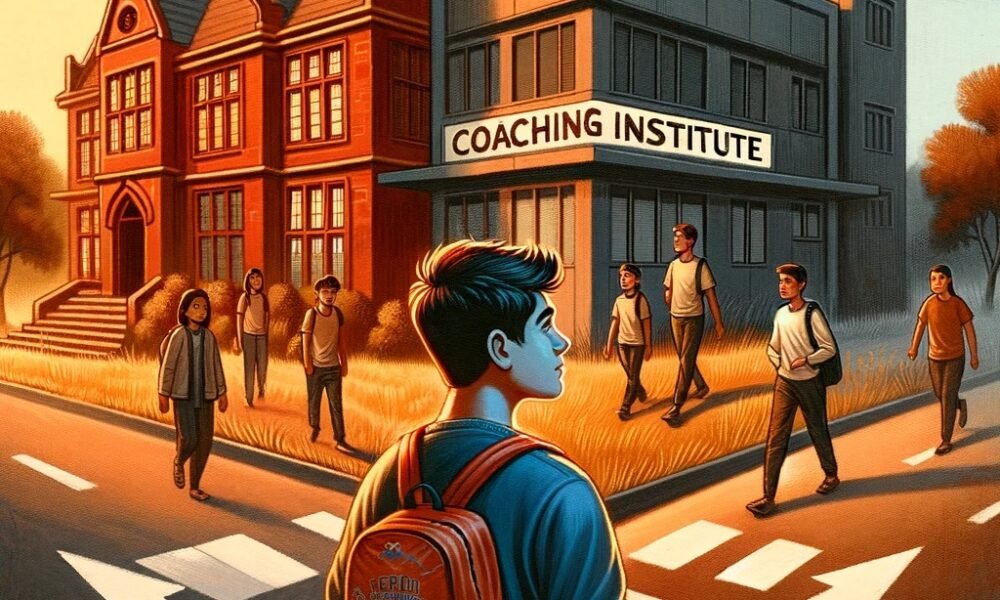
In Bangladesh, coaching centers often referred to as “shadow education” have become an inseparable part of the academic journey. From primary school to university admission, millions of students depend on private coaching to succeed in a highly competitive education system. Despite repeated government attempts to regulate or shut them down, these institutions continue to thrive.
Recently, the government has taken a strong stance once again. The Education Minister announced that all coaching centers across the country will be shut down, citing their uncontrolled growth and impact on formal education.
But why do coaching centers dominate Bangladesh’s education system in the first place? The answer lies in a complex mix of systemic weaknesses, social pressure, and economic incentives.
The Rise of Coaching Culture in Bangladesh
The growth of coaching centers in Bangladesh has been rapid and widespread. According to data from the Bangladesh Bureau of Statistics, there are at least 6,587 registered coaching centers, with thousands more operating unofficially across the country.
These centers are found in almost every cities (urban area) and even in rural towns, often clustered around schools and colleges. Over time, they have evolved into a parallel education system that operates alongside formal schooling.
The phenomenon is not unique to Bangladesh, but its scale and influence here are particularly significant. In many cases, students spend more time in coaching classes than in their actual schools.
Weaknesses in the Formal Education System
One of the main reasons behind the dominance of coaching centers is the lack of quality in mainstream education. Many schools face shortages of qualified teachers, especially in subjects like science and mathematics.
According to education reports, poor teaching quality and limited subject expertise prevent students from fully understanding their coursework.
As a result, students and parents turn to coaching centers for:
- Better explanations of difficult topics
- Exam-focused preparation
- Personalized attention
In essence, coaching centers fill the gaps left by the formal education system.
Exam-Oriented Education and Competition
Bangladesh’s education system is heavily exam-centric, with major public exams like SSC and HSC determining academic and career paths. Admission to top universities is also highly competitive.
This intense pressure creates a demand for specialized preparation, something coaching centers are designed to provide.
Many coaching institutions focus on:
- Solving past exam questions
- Predicting exam patterns
- Intensive revision techniques
This exam-driven model encourages rote learning rather than conceptual understanding, further increasing reliance on coaching.
Social Pressure and Parental Expectations
Another major factor is societal expectations. In Bangladesh, academic success is often seen as the primary path to upward mobility. Parents are willing to invest heavily in their children’s education even if it means financial strain.
Reports indicate that middle-income families spend significant amounts on coaching and private tutors, sometimes exceeding their monthly budget.
A typical student’s routine may include:
- School during the day
- Coaching classes in the morning and evening
- Private tutoring at home
This culture reinforces the belief that school education alone is not enough, making coaching centers almost mandatory.
Economic Incentives for Teachers
Coaching centers are not just beneficial for students they are also a major source of income for teachers.
Many school teachers supplement their salaries by running or teaching in coaching centers. Given that a large portion of private educational institutions operate without full government financial support, teachers often rely on additional income streams.
This creates a conflict of interest:
- Some teachers may prioritize coaching over classroom teaching
- Students may feel compelled to attend coaching to get better guidance
As a result, coaching centers become deeply embedded in the education ecosystem.
Lack of Effective Regulation
Although the government has repeatedly announced plans to control coaching centers, enforcement has been weak.
Since 2009, multiple directives have been issued to shut down coaching centers, but none have been successfully implemented.
The reasons include:
- Absence of a strong legal framework
- Political and social resistance
- High public dependence on coaching
Without proper regulation, coaching centers have continued to expand unchecked.
Inequality in Education
The rise of coaching centers has also created a significant education gap between rich and poor students.
- Wealthy families can afford multiple tutors and premium coaching programs
- Middle-income families struggle to keep up financially
- Poor students are often left behind
This inequality undermines the principle of equal access to education and widens the gap in academic performance.
Government Crackdown: A Turning Point?
The recent announcement by the Education Minister marks one of the strongest government positions against coaching centers to date. He stated that “100 percent of coaching centers in the country will be shut down” and that unregulated institutions will no longer be allowed to operate.
The government also plans to:
- Bring all educational institutions under registration
- Strengthen monitoring systems
- Reform the education structure
However, past experiences suggest that implementation will be challenging. The deep-rooted dependence on coaching centers means that simply banning them may not solve the problem.
Can Bangladesh Reduce Dependence on Coaching?
For Bangladesh to reduce its reliance on coaching centers, systemic reforms are essential. These include:
1. Improving School Education
- Hiring qualified teachers
- Enhancing teacher training programs
- Ensuring smaller class sizes
2. Reforming the Exam System
- Reducing emphasis on rote learning
- Promoting analytical and creative skills
3. Strengthening Accountability
- Monitoring teacher performance
- Preventing conflicts of interest
4. Expanding Digital Learning
- Online resources and recorded lectures
- Equal access to quality education
Without these changes, coaching centers will continue to fill the gaps.
Looking Ahead
Coaching centers dominate Bangladesh’s education system because they address real deficiencies in formal education. They provide academic support, exam preparation, and personalized learning that many schools fail to deliver.
However, their widespread presence also creates inequality, financial pressure, and a dependency that weakens the education system as a whole.
The government’s renewed effort to shut down coaching centers signals a desire for reform, but success will depend on addressing the root causes behind their rise.
Until then, coaching centers will remain a powerful and controversial force shaping the future of education in Bangladesh.