



The Heroes of 1952: How the Language Martyrs Inspired a Global Movement for Linguistic Rights
The events of February 21, 1952 in what is now Bangladesh represent one of the historic moments when people sacrificed their lives for the right to speak their mother tongue. Known today as the Language Movement, the protests led to the deaths of several young demonstrators who are remembered as the shaheed of 1952. Their sacrifice not only shaped the identity of Bangladesh but also influenced global conversations about language rights, cultural preservation, and human dignity.
Today, the legacy of these martyrs is commemorated every year through Amar Ekushey and recognized worldwide as International Mother Language Day, highlighting the global importance of linguistic diversity.
The Historical Context of the Language Movement
After the partition of the Indian subcontinent in 1947, Pakistan was formed with two geographically separate regions, the West Pakistan and East Pakistan (now Bangladesh). Although the majority of people in East Pakistan spoke Bangla, the central government declared Urdu as the sole national language.
This decision triggered widespread protests in East Pakistan, especially among students and intellectuals. Many saw the language policy as a denial of their cultural identity and political rights. The movement gradually gained momentum, culminating in demonstrations in Dhaka in February 1952.
Students from University of Dhaka played a leading role in organizing protests demanding recognition of Bangla as a state language. The demonstrations were held despite government restrictions on public gatherings.
The Martyrs of 1952
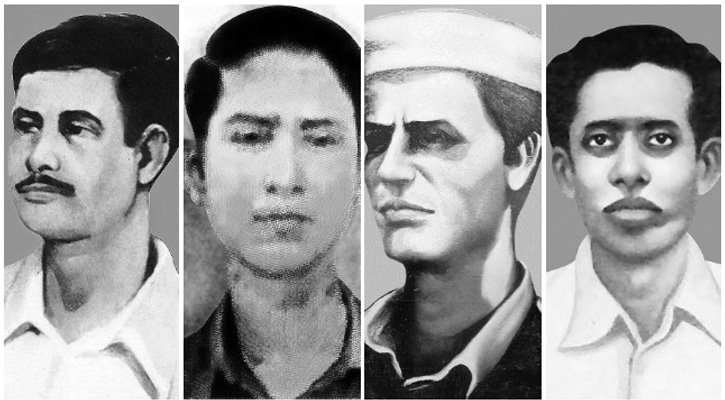
Several individuals lost their lives during the protests of February 1952. Among the most widely recognized martyrs are:
- Abul Barkat – A graduate student of political science department at Dhaka University, whose death became a powerful symbol of the movement.
- Abdus Salam – A government employee who joined the protests and was fatally wounded when police opened fire on the demonstrators near the Dhaka Medical College.
- Rafiq Uddin Ahmed – Considered as the first martyr, who was shot during the protests.He was standing the medical hostel when police opened fire. A bullet struck him in the head, killing him instantly.
- Abdul Jabbar – A common man who came to Dhaka and joined the movement after seeing the fleet of students demanding Bangla as their mother tongue.
- Shafiur Rahman – A court employee who died after being shot during subsequent demonstrations.
These individuals are remembered as the Bhasha Shaheed, or Language Martyrs, whose sacrifice helped secure recognition for Bangla and inspired future generations.
What Happened on 21 February 1952
On that day, students and activists defied government orders banning public assemblies. As demonstrators marched and gathered near Dhaka University, law enforcement opened fire on the crowd. Several protesters were killed, and many others were injured.
The tragic event shocked the population of East Pakistan and intensified the demand for linguistic rights. Public outrage spread quickly, and the Language Movement gained national and international attention.
In the years that followed, continued activism and political pressure led to Bangla being recognized as one of the state languages of Pakistan in February, 1956.
A Monument That Symbolizes Sacrifice
The memory of the martyrs is preserved at the Central Shaheed Minar, a national monument dedicated to the language heroes. Every year at midnight on 21 February, thousands of people walk barefoot to the memorial to place flowers and pay tribute.
This tradition has become one of the most powerful cultural rituals in Bangladesh. It symbolizes respect for the martyrs and reminds citizens of the importance of protecting linguistic and cultural heritage.
From Local Struggle to International Recognition
Although the events of 1952 took place in Dhaka, their significance extends far beyond Bangladesh. The Language Movement demonstrated that language is deeply tied to identity, freedom, and human rights.
Recognizing the global importance of linguistic diversity, UNESCO declared 21 February as International Mother Language Day in 1999. Since 2000, countries around the world have observed the day to promote multilingualism and protect endangered languages.
Today, the story of the Language Movement is often cited in discussions about:
- Cultural preservation
- Indigenous language rights
- Education in mother tongues
- Diversity in global societies
The sacrifice of the martyrs continues to inspire movements advocating for linguistic equality and cultural recognition worldwide.
Why the Heroes of 1952 Still Matter Today
The story of the language martyrs remains relevant in the modern world, where many languages face extinction and communities struggle to preserve their linguistic identity.
1. Protecting Linguistic Diversity
According to global research, thousands of languages are at risk of disappearing. The message of the Language Movement emphasizes the importance of preserving linguistic diversity.
2. Strengthening Cultural Identity
Language is a fundamental part of cultural identity. The movement demonstrated how protecting a language can unite people and strengthen national consciousness.
3. Inspiring Global Advocacy
From minority language rights in Europe to indigenous language revival efforts in the Americas, the legacy of 1952 continues to influence global discussions about linguistic justice.
4. Education and Inclusion
Many educators and policymakers now advocate for teaching children in their mother tongue, an idea closely connected to the principles championed during the Language Movement.
Lessons the World Can Learn from the Language Martyrs
The heroes of 1952 left behind lessons that resonate far beyond the borders of Bangladesh:
- Language is a human right.
- Cultural identity deserves protection.
- Peaceful movements can create lasting change.
- Young people can play a crucial role in shaping history.
Their story shows how a local struggle for recognition can eventually become a global symbol of cultural rights.
Looking Ahead
The heroes of 1952 are remembered not only for their sacrifice but also for the values they represented, courage, dignity, and the defense of cultural identity. Their struggle ensured the recognition of Bangla as a state language and inspired a global movement to protect linguistic diversity.
Today, as the world observes International Mother Language Day each year, the legacy of the Language Movement continues to remind humanity of the power of language and the importance of preserving it.
The story of the language martyrs stands as a testament to how the voices of a determined people can echo across generations and continents, shaping history and inspiring the world.