



The Book Cafe Comeback: How Dhaka’s Youth Are Revitalizing Reading Culture

The Book Café Comeback: How Dhaka’s Youth Are Revitalizing Reading Culture
In a city often defined by traffic congestion, relentless deadlines, and an always online lifestyle, a quiet cultural revival is unfolding. Across Dhaka, book cafés are re emerging as social sanctuaries where reading is not a solitary act but a shared experience. Driven largely by young people, these spaces are reshaping how literature fits into modern urban life and challenging the idea that reading is losing relevance in the digital age.
From cozy corners filled with poetry readings to lively discussions on contemporary fiction and social issues, Dhaka’s book cafés are becoming hubs of intellectual exchange. This comeback reflects a broader shift in youth culture where connection, creativity, and thoughtful engagement are increasingly valued.
A New Chapter in Dhaka’s Reading Culture
For many years, traditional bookstores struggled to attract younger audiences. Online content, streaming platforms, and social media appeared to dominate attention spans. Yet instead of abandoning books, Dhaka’s youth have reimagined how books are experienced.
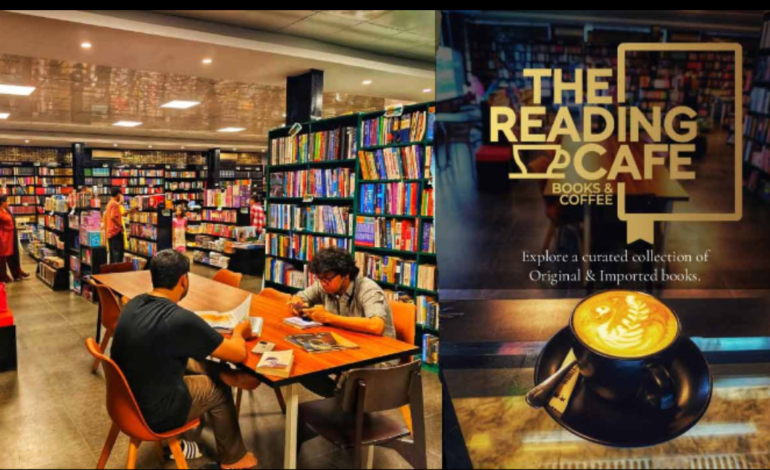
The modern book café blends literature with conversation, coffee, and community. Visitors can browse shelves, attend events, or simply sit with a book without pressure to buy. This relaxed environment has made reading feel accessible again, especially for students and young professionals seeking refuge from crowded homes or busy campuses.
As one university student at a Dhanmondi book café put it, “I come here not just to read, but to feel inspired. Being around other readers motivates me to finish books I would otherwise abandon.”
Bengal Boi: Where Books Meet Belonging
One of the most talked about names in this revival is Bengal Boi. More than a café, it functions as a cultural space where books, art, and youth expression intersect. With shelves featuring Bangla literature, translated works, and contemporary global titles, the café attracts a diverse crowd.
What sets Bengal Boi apart is its emphasis on community. Regular book discussions, open mic sessions, and small scale literary talks encourage participation rather than passive consumption. A frequent visitor shared, “This place makes reading social. You end up discussing a book with a stranger, and suddenly that story feels more alive.”
By positioning reading as a shared activity, Bengal Boi has helped redefine how young Dhakaites relate to books.
Bookworm Bangladesh: Building Readers Beyond Cafés
While cafés provide physical spaces, Bookworm Bangladesh has played a crucial role in cultivating reading habits beyond four walls. As a community driven initiative, it focuses on book clubs, reading challenges, and literary discussions that often collaborate with cafés across the city.
Their events draw students, first time readers, and seasoned bibliophiles alike. A volunteer organizer explained, “Our goal is not to tell people what to read, but to help them discover the joy of reading again.”
By bridging online engagement with offline meetups, Bookworm Bangladesh has helped sustain interest and create continuity in reading culture.
Batighar Cafés: Tradition Meets Modern Taste
Batighar cafés represent another dimension of this comeback. Long respected as a literary institution, Batighar has adapted to changing times by integrating café culture into its bookstore experience. The result is a space where tradition and modernity coexist.
Young readers browsing classic Bangla novels sit alongside others exploring contemporary non fiction or global bestsellers. The café setting encourages longer visits and deeper engagement. A young poet attending a reading session noted, “Batighar feels like home for writers and readers. You sense the history, but it still welcomes new voices.”
This blending of heritage and innovation has allowed Batighar cafés to remain relevant to a new generation.
Youth Led Spaces and Cultural Ownership
A defining feature of Dhaka’s book café revival is youth leadership. Many of these spaces are conceptualized, managed, and programmed by young entrepreneurs and volunteers. Their understanding of peer interests shapes everything from book selections to event formats.
Instead of rigid literary hierarchies, these cafés promote inclusivity. Graphic novels sit next to philosophy texts. Poetry slams coexist with academic discussions. This openness has broadened the definition of what reading culture looks like in contemporary Bangladesh.
According to one café manager, “We do not judge reading choices. If someone starts with a short novel or even a graphic book, that is a win.”
Community Impact Beyond Reading
The influence of book cafés extends beyond literature. They have become safe spaces for dialogue on social issues, mental health, identity, and creativity. For many young people, these cafés offer something rare in urban Dhaka: a place to slow down and think.
Educators also see potential. Informal discussions often spark interest in writing, critical thinking, and civic engagement. In a society where exam oriented learning dominates, these spaces encourage curiosity driven exploration.
Moreover, local authors and independent publishers benefit from visibility and direct interaction with readers. Book launches and readings held in cafés create intimate connections that large venues often lack.
Challenges and Sustainability
Despite their success, book cafés face challenges. Rising rent, fluctuating book sales, and limited disposable income among students can strain operations. Maintaining a balance between commercial viability and cultural mission requires careful planning.
Some cafés address this by hosting ticketed events or collaborating with brands that align with their values. Others rely on volunteer support and community goodwill. The continued engagement of readers will ultimately determine how sustainable this movement remains.
A Quiet Yet Powerful Revival
The resurgence of book cafés in Dhaka signals more than nostalgia. It represents a cultural adaptation where reading evolves alongside changing lifestyles. By merging books with community, conversation, and comfort, Dhaka’s youth have created spaces that feel relevant and welcoming.
As one regular visitor summed up, “In a world full of noise, these cafés remind us that stories still matter.”
If this momentum continues, Dhaka’s book café comeback may well shape the future of reading culture in Bangladesh, one shared page at a time.