


Tarique Rahman to launch pilot ‘Family Card’ scheme on March 10
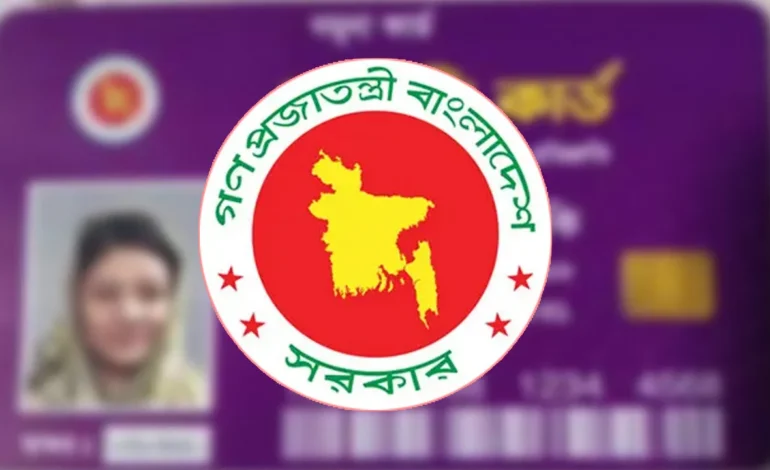

Tarique Rahman to Launch Pilot ‘Family Card’ Scheme on March 10
Bangladesh is set to witness the launch of a major Family Card scheme, an ambitious programme associated with the leadership of Tarique Rahman. The project aims to provide financial assistance and essential support to millions of households, particularly women-led families and low-income groups.
According to reports, the pilot phase of the programme is scheduled to begin on March 10, ahead of Eid-ul-Fitr, marking the first step toward implementing a broader nationwide social safety net.
The initiative has generated significant public interest, as it promises direct economic support and aims to address issues such as poverty, food security, and women’s empowerment across the country.
What Is the Family Card Scheme?
The Family Card scheme is designed as a targeted welfare programme that provides monthly financial assistance and essential benefits to households in Bangladesh. Under the pilot phase, eligible families especially those led by women will receive Tk 2,500 per month through the programme.
The concept behind the programme is to strengthen household financial stability while recognising the economic contribution of homemakers and caregivers. The initiative also reflects a broader policy direction aimed at expanding social safety nets in Bangladesh.
In addition to cash assistance, the programme may include access to essential food items and other support services, helping families cope with rising living costs and economic pressures.
Pilot Launch Ahead of Ramadan and Eid
The government plans to begin the scheme on a pilot basis during Ramadan, allowing authorities to evaluate its effectiveness before expanding it nationwide.
Initially, the programme will cover selected upazilas, where eligible households will receive Family Cards. These cards will serve as a mechanism to distribute financial support and potentially link families to other government welfare programmes.
Officials have indicated that launching the scheme before Eid is intended to provide timely relief for families facing financial challenges during the festive season, when household expenses typically increase.
Focus on Women and Household Empowerment
One of the defining features of the Family Card scheme is its focus on women-led households. The card is expected to be issued primarily in the name of the female head of the family, ensuring that women have direct access to financial assistance.
This approach aligns with broader development goals that highlight the importance of empowering women economically and socially. By giving women control over financial resources, policymakers hope to improve family welfare and encourage more inclusive economic growth.
Supporters of the programme argue that such initiatives can help recognise the often unpaid labour performed by homemakers while providing them with a level of financial independence.
Long-Term Vision: Support for Millions of Families
Beyond the pilot phase, the Family Card initiative is part of a larger vision to expand welfare coverage across Bangladesh. Political leaders associated with the programme have indicated that the goal is to eventually bring millions of families under the scheme, making it one of the largest social support initiatives in the country.
Estimates suggest that Bangladesh has around 40 million households, and policymakers have proposed gradually extending the programme to a significant portion of them, particularly those facing economic hardship.
The expansion plan reflects the government’s intention to address structural challenges such as income inequality, poverty, and limited access to social protection systems.
Why the Family Card Programme Matters
The introduction of the Family Card scheme comes at a time when many families in Bangladesh are facing economic pressures, including inflation, rising food prices, and employment uncertainties.
Social safety net programmes are considered essential tools for reducing poverty and improving food security. Experts believe that targeted cash transfers, when implemented effectively, can help families manage daily expenses, invest in small businesses, and improve overall living conditions.
The Family Card initiative could play a significant role in strengthening Bangladesh’s welfare system if executed properly.
Challenges and Questions Surrounding the Programme
While the programme has generated optimism, it has also raised several questions about implementation and sustainability. Analysts and policy experts are closely monitoring issues such as:
- How beneficiaries will be selected
- Whether the programme will reach the most vulnerable households
- The long-term funding of the initiative
- Coordination with existing social safety net programmes
Ensuring transparency and effective monitoring will be key factors in determining the success of the scheme.
Observers also note that the pilot phase will provide valuable insights into how the programme can be improved before nationwide expansion.
Political and Economic Significance
The Family Card scheme also holds political significance in Bangladesh’s evolving political landscape. It is part of a broader set of policy proposals linked to future governance plans and development strategies.
Political leaders have emphasised that the programme aims to create a more inclusive economic framework, where support reaches households directly rather than being limited to traditional welfare channels.
At the same time, policymakers are highlighting the importance of balancing welfare spending with sustainable economic planning to ensure long-term success.
What Comes Next?
With the pilot launch scheduled for March 10, the coming months will be crucial in determining the effectiveness of the Family Card programme. Authorities are expected to monitor the initial rollout closely, gathering data on its impact and identifying areas for improvement.
If the pilot proves successful, the programme could expand to more districts and eventually become a nationwide welfare initiative.
For millions of families across Bangladesh, the Family Card scheme represents not only financial assistance but also the promise of greater economic stability and support during challenging times.