

Tarique Rahman Starts Family Card Program: A New Social Safety Initiative for Millions in Bangladesh

Tarique Rahman Starts Family Card Program: A New Social Safety Initiative for Millions in Bangladesh
Bangladesh prime minister Tarique Rahman has officially started the Family Card Programme, an ambitious government plan aimed at providing financial support to low-income families across the country.
The programme focuses on empowering women and reducing poverty by delivering monthly financial assistance to vulnerable households. The initiative began with a pilot phase but carries a long-term vision of reaching tens of millions of families in Bangladesh over the next several years.
Launch of the Family Card Programme
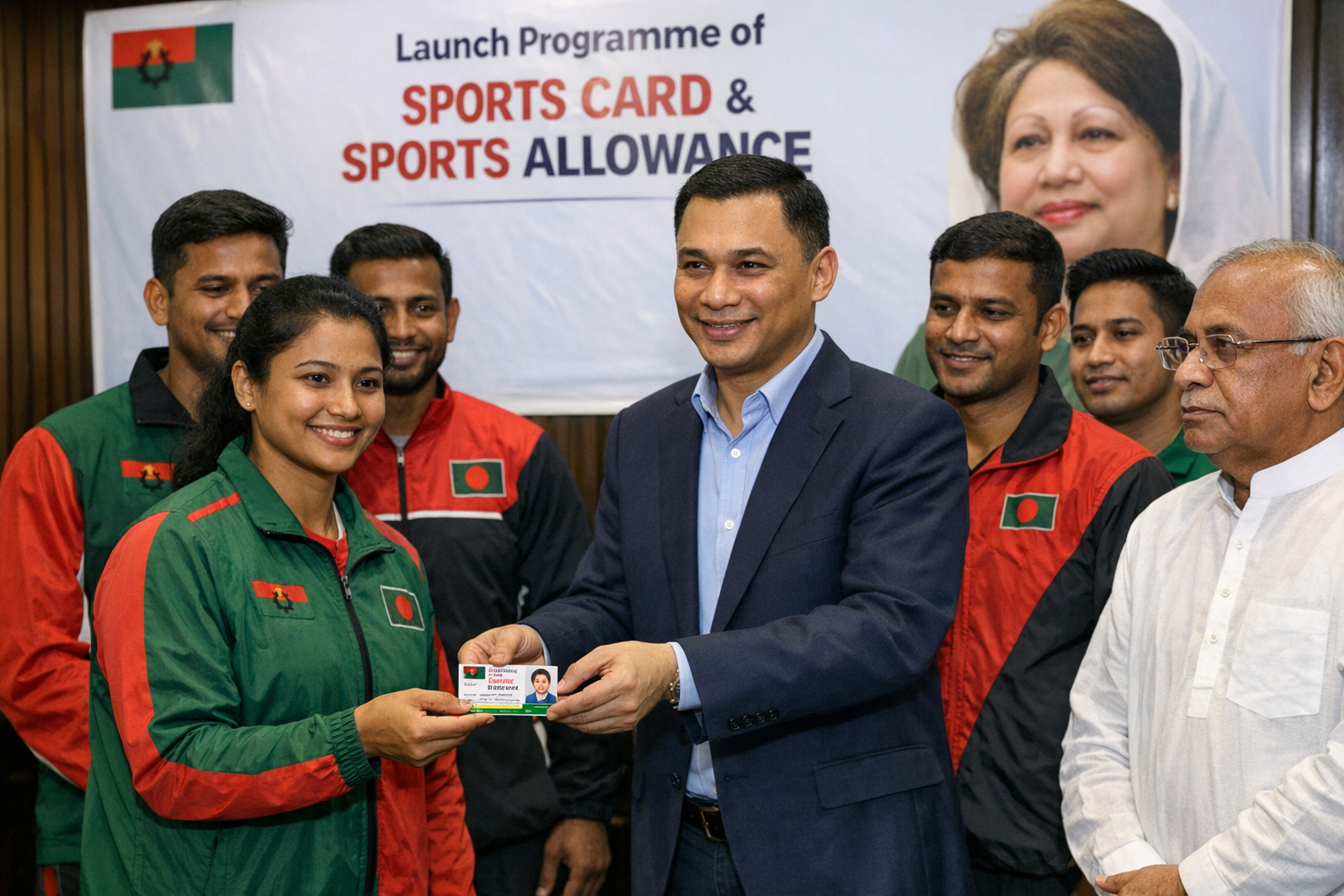
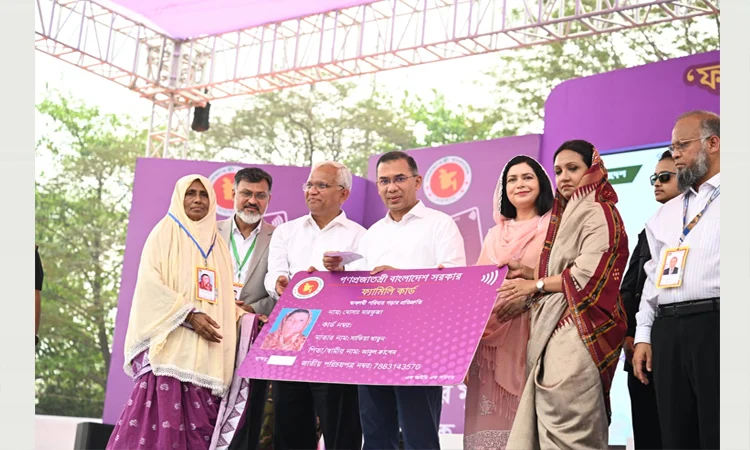
The Family Card Programme was officially inaugurated prime minister during a ceremony held in Dhaka on March 10. The launch event marked the beginning of a government initiative designed to strengthen the country’s social safety net and help families struggling with rising living costs.
At the event, the prime minister personally distributed family cards to a number of women beneficiaries, symbolizing the programme’s focus on female empowerment and family welfare.
Following the inauguration, financial assistance was transferred digitally to thousands of beneficiaries’ accounts, demonstrating the government’s effort to integrate technology and transparency into the distribution process.
What Is the Family Card Programme?
The Family Card Programme is a government financial assistance initiative designed to support vulnerable households, particularly those led by women.
Under this programme:
- Eligible families receive Tk 2,500 per month as financial assistance.
- The family card is issued to the female head of the household.
- Payments are transferred directly through digital banking or financial systems.
By providing regular cash assistance, the programme aims to help families manage essential expenses such as food, healthcare, and education.
Direct financial transfers are increasingly used worldwide because they are efficient, transparent, and reduce the chances of corruption or misuse of funds.
Pilot Programme: First Phase Implementation
The government has launched the Family Card Programme through a pilot phase before expanding it nationwide.
Key features of the pilot phase include:
- Implementation in 14 selected locations across Bangladesh.
- Coverage of 37,567 women beneficiaries in the first stage.
- Initial focus on low-income and vulnerable households.
After the inauguration ceremony, the government digitally transferred funds to the accounts of these women beneficiaries, marking the first official financial assistance under the programme.
This pilot phase will help authorities evaluate how effectively the programme operates before expanding it to a larger population.
Focus on Women’s Economic Empowerment
One of the most important features of the Family Card Programme is its emphasis on women’s financial empowerment.
The programme ensures that the family card is issued in the name of a woman, usually the mother or senior female member of the household.
This strategy is based on research and global development experience showing that:
- Women often prioritize family welfare and children’s needs.
- Financial empowerment of women improves household stability.
- It increases spending on education, nutrition, and healthcare.
By placing women at the center of the programme, the government hopes to strengthen family structures and improve social welfare outcomes.
Initial Beneficiaries from Dhaka Slums
In the early stage of the programme, many beneficiaries were selected from low-income urban communities and slum areas in Dhaka.
Among the areas included in the initial phase are:
- Karail slum
- Sattala slum
- Bhashantek slum
- Mirpur Circle Ward-8
- Alimia’s Tech slum in Ward-14
- Baganbari slum
Approximately 15,000 women from these communities were included among the first recipients of the family cards.
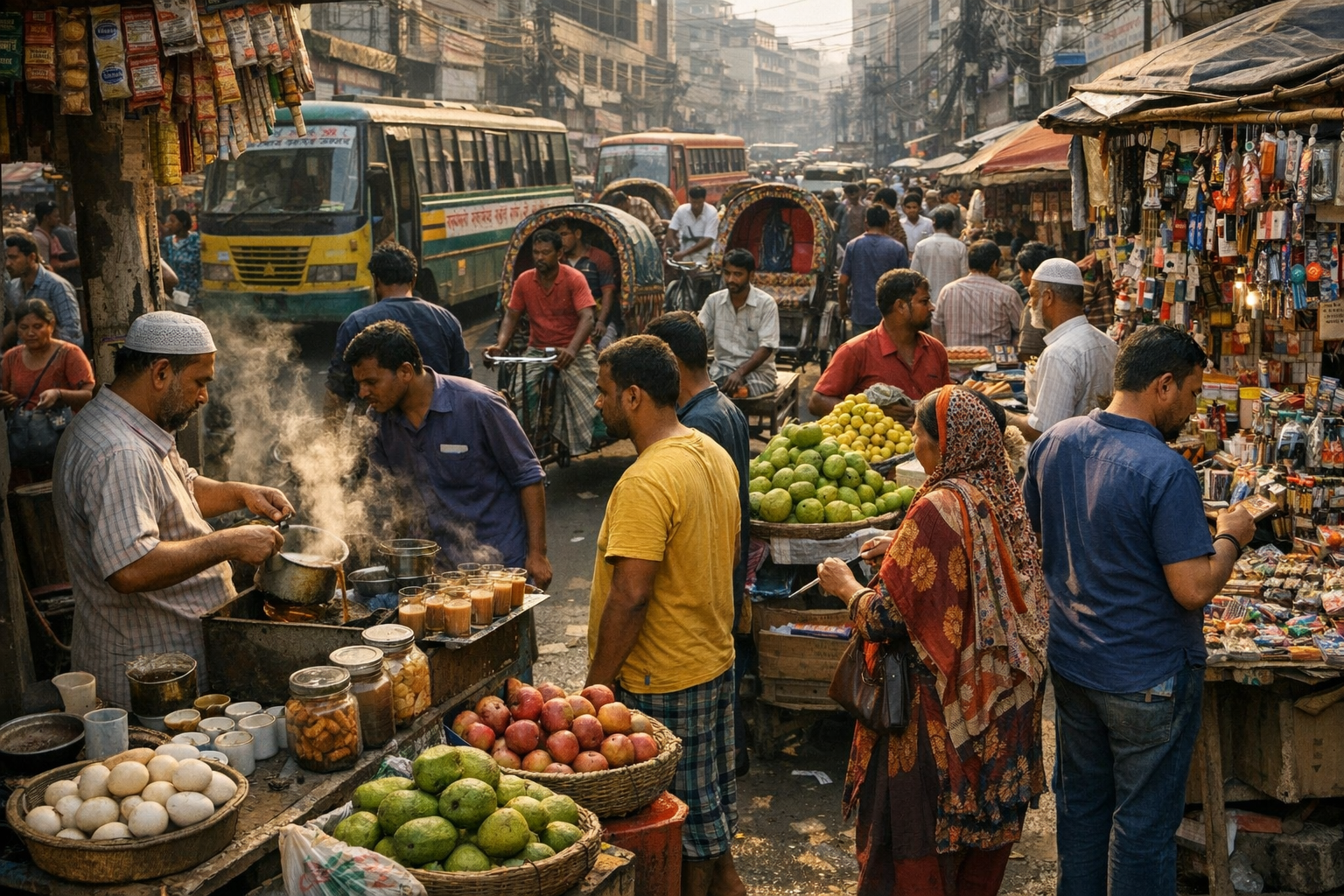
These densely populated urban areas face serious economic challenges, including limited employment opportunities, unstable income sources, and rising living costs.
By targeting such communities, the programme aims to reach those who need financial support the most.
Long-Term Plan: Reaching 40 Million Women
While the pilot programme currently covers tens of thousands of beneficiaries, the government has announced a much broader vision for the initiative.
According to official statements, the Family Card Programme aims to reach around 40 million women across Bangladesh within the next five years.
If successfully implemented, this would make it one of the largest social welfare initiatives in the country’s history.
Expanding the programme on this scale could significantly strengthen Bangladesh’s overall social safety net and reduce economic vulnerability among millions of households.
Economic Importance of the Programme
The Family Card Programme could play an important role in supporting Bangladesh’s economy and improving social stability.
1. Reducing Poverty
Regular financial assistance helps low-income families maintain basic living standards. Even a modest monthly amount can make a significant difference in households struggling with poverty.
2. Supporting Household Consumption
When families receive cash support, they spend it on local goods and services. This spending helps stimulate local markets and small businesses.
3. Encouraging Financial Inclusion
By using digital transfers and financial accounts, the programme may also help many women become part of the formal financial system for the first time.
Transparency and Digital Payment System
A key feature of the Family Card Programme is its digital payment system.
Instead of distributing funds manually, the government transfers money directly into beneficiaries’ accounts. This approach provides several advantages:
- Faster and more efficient payments
- Reduced administrative costs
- Lower risk of corruption or mismanagement
Digital financial systems are increasingly used in Bangladesh to improve transparency in government welfare programmes.
Challenges Ahead
Despite its potential benefits, the Family Card Programme will face several challenges during implementation.
Accurate Identification of Beneficiaries
Ensuring that assistance reaches the right families is essential. Authorities must rely on accurate data collection and verification systems.
Administrative Capacity
Managing a nationwide programme that could reach millions of families requires strong administrative infrastructure and coordination between local and national authorities.
Financial Sustainability
Expanding the programme to tens of millions of beneficiaries will require substantial government funding, which must be managed carefully to maintain long-term sustainability.
A Step Toward Stronger Social Protection
Bangladesh has made significant progress in reducing poverty over the past decades through economic growth and social welfare programmes.
The Family Card Programme represents another step in strengthening the country’s social protection framework.
By combining direct financial assistance, digital payments, and women’s empowerment, the initiative aims to address both economic and social challenges faced by vulnerable households.
Looking Ahead
The launch of the Family Card Programme by marks a significant development in Bangladesh’s welfare policy. Starting with a pilot phase covering more than 37,000 women beneficiaries, the programme aims to provide monthly financial assistance to vulnerable families and expand to millions of women within five years.
By focusing on women’s empowerment, digital financial transfers, and targeted poverty reduction, the Family Card Programme has the potential to become a major pillar of Bangladesh’s social safety net system.
If implemented effectively and expanded as planned, the initiative could help improve the lives of millions of families and contribute to greater economic security and social stability across Bangladesh.