


Shakrain Festival in Bangladesh

Shakrain Festival in Bangladesh: How an Old Dhaka Tradition Became a Global Cultural Attraction
Shakrain is one of the most colorful and emotionally rich festivals in Bangladesh, celebrated with unmatched energy in the historic neighborhoods of Old Dhaka. Observed at the end of the Bengali month of Poush, Shakrain marks the arrival of longer days and the close of the harvest season. What began centuries ago as a seasonal celebration has evolved into a major cultural event that now attracts attention from travelers, photographers, and cultural researchers from around the world.
Today, Shakrain is more than a local festival. It represents how traditional urban cultures can survive and thrive in a modern globalized world. Through kite flying, rooftop gatherings, traditional food, and community bonding, Shakrain showcases Bangladesh’s living heritage in a way that feels both timeless and contemporary.
The Historical Roots of Shakrain
The origins of Shakrain are closely tied to agricultural cycles and ancient Bengali customs. Traditionally, the festival marked the end of the winter harvest season, a time when farmers and urban families alike could pause and celebrate after months of hard work.
Over time, as Dhaka grew into a major city, the celebration took on a more urban character. Rooftops replaced open fields, and neighborhoods became the center of festivities. Despite these changes, the spirit of gratitude and renewal has remained at the heart of Shakrain.
Unlike many festivals that are driven by religious rituals, Shakrain is largely cultural and social in nature. This makes it widely inclusive, welcoming people from all backgrounds to take part in the celebrations.
Why Kite Flying Defines Shakrain
The most iconic image of Shakrain is the sky of Old Dhaka filled with thousands of colorful kites. From early afternoon until late evening, rooftops turn into lively arenas where people of all ages compete to cut each other’s kites using specially prepared strings.
Kite flying during Shakrain is not just a pastime. It is a form of artistic expression and friendly competition. Many families prepare their kites days in advance, decorating them with bright colors and unique designs. The excitement builds as the sky slowly fills and cheers erupt whenever a kite is cut free.
For international visitors, this visual spectacle offers a rare glimpse into a living urban tradition that has survived despite rapid modernization.
A Festival That Brings Communities Together
One of the most meaningful aspects of Shakrain is its power to unite people. On this day, social boundaries often fade. Neighbors who rarely interact throughout the year gather on rooftops, share food, and celebrate together.
Children learn the joy of teamwork as they hold strings, guide kites, and support each other. Elders share stories of how Shakrain was celebrated decades ago, passing cultural memory from one generation to the next.
In a world where urban life often leads to isolation, Shakrain stands out as a reminder of how festivals can strengthen social bonds and create a sense of belonging.
Food Traditions That Add Flavor to the Celebration
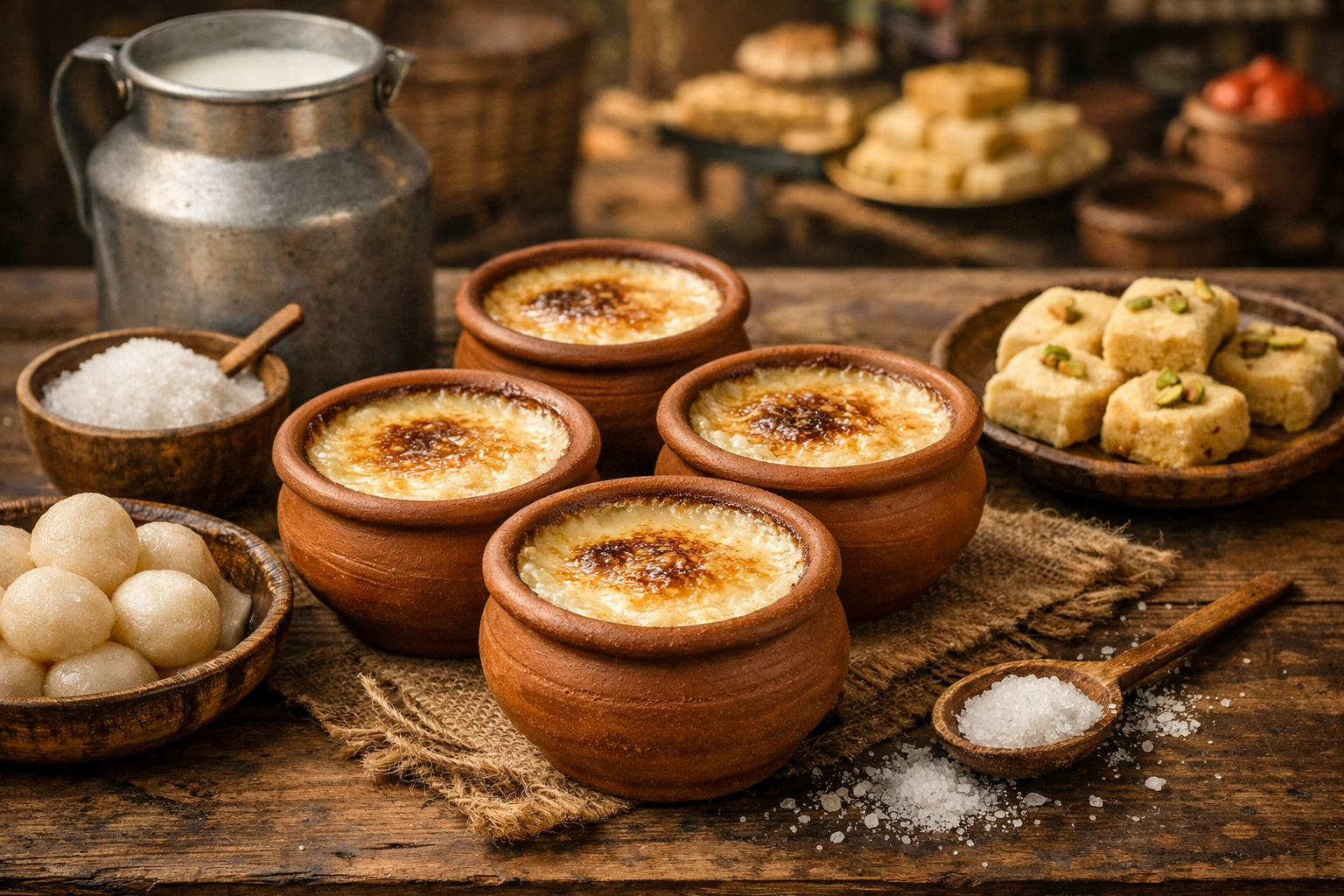
No Shakrain celebration is complete without traditional food. Homes across Old Dhaka prepare a variety of seasonal dishes, including pitha, fried snacks, and sweet treats. These foods are often shared among neighbors, turning rooftops into informal community dining spaces.
The culinary aspect of Shakrain reflects Bangladesh’s deep connection between food and culture. For many families, the festival is as much about preparing and sharing meals as it is about flying kites.
In recent years, restaurants and cultural organizations have also begun highlighting Shakrain themed menus, making the festival accessible to people beyond Old Dhaka.
Shakrain in a Global Cultural Context
Around the world, many cultures celebrate seasonal transitions with festivals that combine nature, community, and creativity. Events such as Makar Sankranti in India, the Spring Festival in China, and harvest festivals in Europe share similar themes of renewal and gratitude.
Shakrain fits naturally into this global tradition of seasonal celebrations. What makes it unique is its urban setting. Few major cities in the world maintain such a strong rooftop festival culture, especially in densely populated historic districts.
As international travelers seek more authentic cultural experiences, Shakrain offers a powerful example of how local traditions can contribute to global cultural tourism.
Tourism and International Recognition
In recent years, Shakrain has gained increasing attention from international media outlets, travel bloggers, and documentary filmmakers. Images of Dhaka’s skyline filled with kites have appeared in global publications, helping reshape perceptions of Bangladesh as a destination rich in cultural experiences.
For tourists, Shakrain offers something rare. It is not a staged performance but a genuine community celebration. Visitors become observers of real life rather than spectators of a scripted event.
This growing global interest has also encouraged local authorities and cultural groups to think about how to preserve the festival while managing safety, crowd control, and environmental impact.
Challenges in a Modern Urban Environment
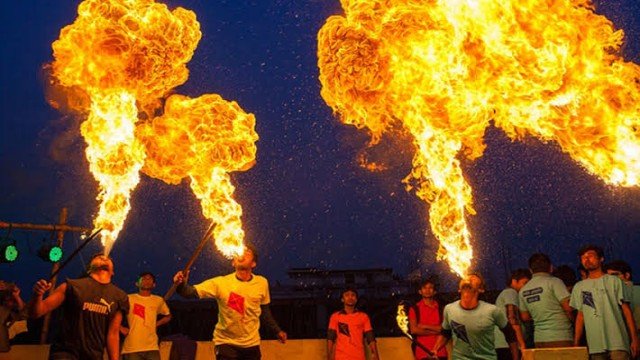
Despite its popularity, Shakrain faces challenges. Safety concerns related to kite strings, fire risks, and rooftop overcrowding have become more prominent as the city grows denser. Authorities often issue guidelines to ensure responsible celebration.
There are also environmental concerns, including plastic waste from kites and noise pollution from fireworks. In response, community groups have begun promoting eco friendly kites and safer celebration practices.
These efforts show that tradition and modern responsibility can coexist when communities take collective ownership of their cultural heritage.
How Younger Generations Are Redefining Shakrain
Young people play a key role in keeping Shakrain alive. Through social media, photography, and video storytelling, they are sharing the festival with audiences far beyond Dhaka.
Many youth groups now organize rooftop cultural programs, blending traditional music with modern performances. This creative fusion helps Shakrain remain relevant in a changing cultural landscape.
By adapting traditions without losing their essence, the younger generation ensures that Shakrain continues to inspire both local pride and global curiosity.
Why Shakrain Matters Beyond Bangladesh
Shakrain is more than a festival. It is a case study in cultural resilience. In an era where globalization often leads to cultural uniformity, Shakrain shows how local traditions can maintain their identity while engaging with the world.
For cultural researchers, it offers insights into urban heritage preservation. For travelers, it provides an authentic experience. For Bangladesh, it stands as a powerful symbol of how everyday people keep history alive through celebration.
A Festival That Connects the Past With the Future
Shakrain remains one of Bangladesh’s most beloved cultural events because it speaks to something universal. The joy of community, the beauty of shared traditions, and the human desire to celebrate life together.
From the rooftops of Old Dhaka to the screens of international audiences, Shakrain continues to fly high, much like the kites that define it. As Bangladesh moves forward in a rapidly changing world, festivals like Shakrain ensure that cultural roots remain strong, visible, and meaningful.
In that sense, Shakrain is not only a festival for Bangladesh. It is a reminder to the world that true cultural richness comes from communities that celebrate who they are and invite others to witness their story.