Rooppur Bangladesh: The Little Russia on the Padma

Rooppur Bangladesh: The Little Russia on the Padma
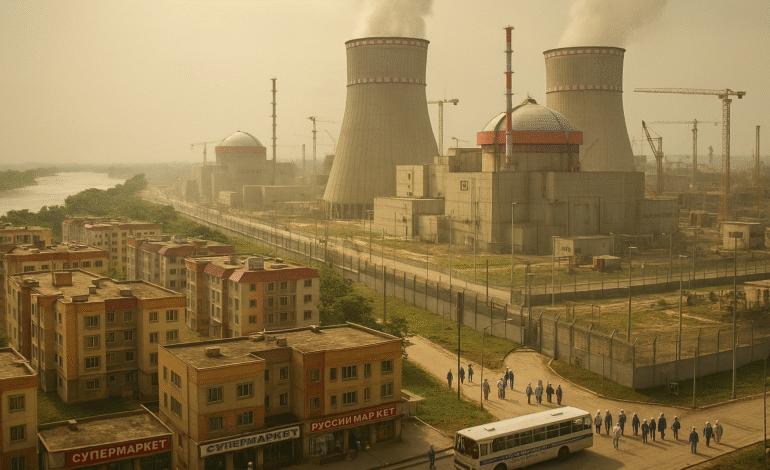
Rooppur, a quiet riverside town in Pabna district, Bangladesh, is rapidly becoming a mini-Russia. This unusual transformation is rooted in the construction of the Rooppur Nuclear Power Plant, developed in close partnership with Russia’s Rosatom. Over time, the community, infrastructure, and cultural dynamics around Rooppur have evolved in ways that reflect deep economic and social integration and have ignited debate about sovereignty, energy security, and local identity.
A Town Transformed: From Village to “Little Russia”
Once a largely rural, sparsely populated area, Rooppur has undergone rapid change since the agreement to build a 2,400 MW nuclear power plant with Russia. The influx of Russian engineers, construction workers, and technical experts has reshaped the town’s look and feel.
According to local media, shop signboards in parts of the town now carry Russian language alongside Bengali and English, creating an everyday “mini-Russia” aesthetic. Reporters have noted Russian-style markets, restaurants catering to Russian tastes, and regular use of Russian in daily commerce.
This isn’t just superficial: shops are selling Russian goods, food items, perfumes, and other products familiar to the Russian workers there. According to one local report, Russians have become a visible part of the town’s economy, with markets, restaurants, and social life organized around their presence.
Energy Ambitions and Strategic Partnership
The core reason for this “mini-Russia” is the Rooppur Nuclear Power Plant (RNPP), Bangladesh’s first nuclear power facility. Designed with two VVER-1200 reactors, the project is being built by Rosatom, Russia’s state-owned nuclear company.
Financially, the project is mostly backed by Russia: about 90% of the $11.38 billion cost comes from a Russian loan. In return, Russian expertise, technology, and labor have flowed into Rooppur transforming both energy infrastructure and local demographics.
The first unit is expected to launch soon, with the Russian ambassador in Dhaka recently stating that the first reactor could be operational by the end of this year. For Bangladesh, the plant is more than electricity — it is part of a long-term vision to secure reliable, low-carbon energy and reduce dependence on fossil fuels.
Cultural and Social Impact: A Town That Speaks Two Languages
Living side by side, Russians and Bangladeshis in Rooppur have created a unique social fabric. Locals say that Russian and Bengali coexist in daily life, from street signs to shop conversations. In what was once a relatively isolated rural area, market life now includes familiar Russian staples vegetables called by their Russian names, imported processed goods, and Russian-style consumer habits.
For many Bangladeshis who migrated to Rooppur for work, this shift has created economic opportunity. The construction project has spurred local business: restaurants, convenience shops, and housing for expatriates. At the same time, Russians living here contribute to that local economy, bringing their own spending power and preferences.
Nuclear Diplomacy and Global Influence
The Rooppur project goes beyond economics — it’s also a clear symbol of Russia’s geopolitical reach. As analysts have pointed out, constructing an atomic energy plant abroad allows Russia to deepen its ties with countries like Bangladesh.
From Russia’s point of view:
It secures a long-term industrial foothold.
It strengthens bilateral relations via energy diplomacy.
It showcases Rosatom’s capacity to build major projects, even under global tension.
For Bangladesh:
The plant helps address energy shortages and stabilize its power grid.
It signals technological ambition: Bangladesh becomes part of the global nuclear community.
Training programs with Rosatom have given Bangladeshi engineers and technicians exposure to nuclear technology.
Risks and Criticism: Not Everyone Sees It as Win-Win
Despite the economic and strategic benefits, the “Little Russia” image comes with concerns:
1. Sovereignty and Dependence: Critics warn of over-dependence on Russian financing and technology. If Bangladesh relies too heavily on Russia for nuclear operations, it could limit its policy flexibility.
2. Debt Risk: The $11.38 billion loan even with favorable terms must be repaid; some analysts worry about future repayment burdens.
3. Nuclear Safety: While Rosatom pledges high safety standards, any nuclear plant brings inherent risks. Close engagement with the International Atomic Energy Agency (IAEA) is crucial.
4. Cultural Tensions: The presence of a large expatriate Russian community might create social divides, though so far locals describe the relationship as “friendly.”
5. Environmental Impact: Concerns persist about nuclear waste, long-term storage, and spent fuel. However, Bangladesh has secured a promise from Russia to take back spent nuclear fuel.
What “Little Russia” Means for the Future of Bangladesh
The Rooppur enclave is symbolic of a broader trend: how major infrastructure projects can reshape not only energy landscapes but social and cultural geographies. Here’s what this transformation could mean going forward:
Economic Uplift: With more Russian investment and activity, Rooppur could become a regional hub for technology, not just energy.
Diplomatic Ties: The partnership may deepen Bangladesh–Russia cooperation in other sectors from education to defense.
Soft Power Exchange: Russian language and lifestyle in Rooppur could influence local culture, education, and business patterns.
Regional Energy Security: If successful, Rooppur could be Bangladesh’s template for future nuclear projects, shaping its path to energy self-sufficiency.
Sustainable Development: Nuclear energy aligns with low-carbon objectives, but only if managed with strong regulation, safety oversight, and long-term planning.
Rooppur as a Microcosm of Russia-Bangladesh Cooperation
Rooppur’s transformation into a “mini-Russia” is more than a quirky nickname — it reflects deep interdependence between Bangladesh and Russia. The town’s evolving skyline, its markets, and social life now mirror a geopolitical ambition that spans energy security, economic development, and cultural exchange.
As Bangladesh accelerates its journey into the nuclear age, Rooppur stands at the heart of a powerful narrative: one where modern energy infrastructure becomes the foundation for new forms of diplomacy, development, and identity.
Rooppur in Bangladesh is transforming into a “mini-Russia,” driven by the construction of the Rosatom-built nuclear power plant. This unique enclave reflects deep energy, economic, and cultural ties between Dhaka and Moscow.