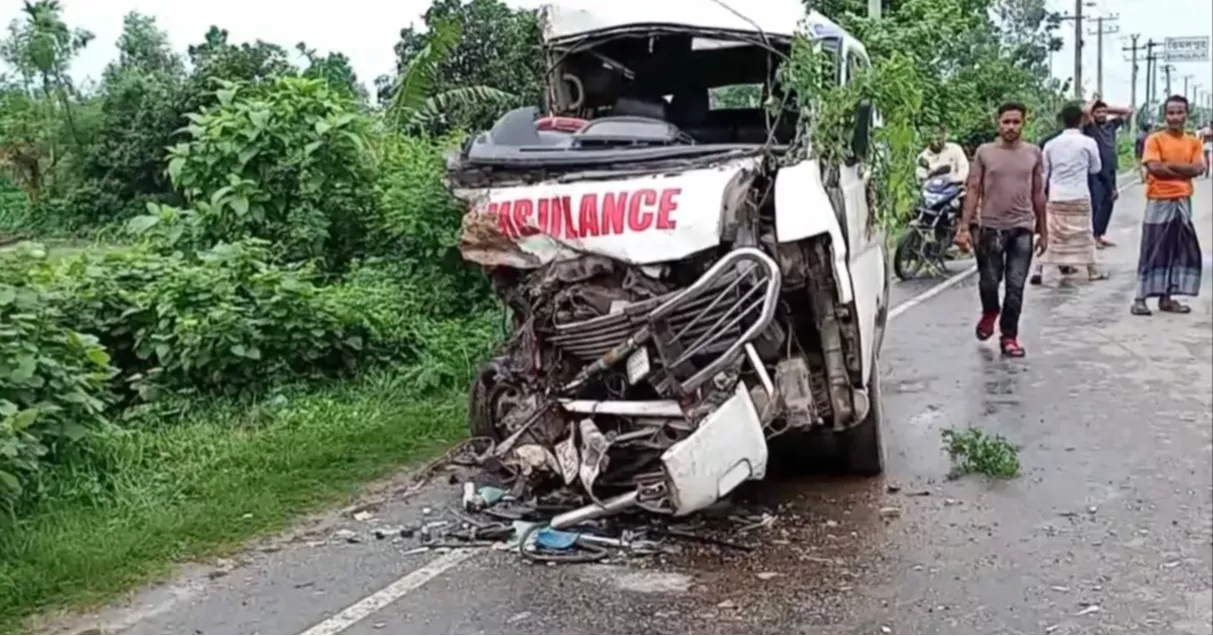



Bangladesh is witnessing an alarming surge in fatalities from road crashes, particularly during peak travel periods such as Eid holidays. Recent incidents, including a deadly bus plunge into the Padma River that killed over two dozen passengers returning after Eid, highlight the persistent dangers on the country’s roads.
While such tragedies often capture headlines, they are part of a much larger and systemic issue. Road safety remains one of the most pressing public policy challenges in Bangladesh, with thousands of lives lost every year.
Longstanding Road Safety Challenges
Bangladesh has one of the highest road fatality rates in the region. Estimates vary, but data from multiple organisations show the scale of the crisis. In 2025 alone, at least 7,359 people were killed and over 16,000 injured in road crashes, according to the Road Safety Foundation.
Other estimates place the death toll even higher. The Bangladesh Passenger Welfare Association reported 9,111 fatalities in the same year, indicating inconsistencies in reporting systems.
These figures reflect a broader structural problem. Road safety conditions remain weak, with only about 2 percent of roads meeting adequate safety standards for pedestrians.
Vulnerable Road Users: A Disturbing Reality
A significant portion of victims are among the most vulnerable groups. Children, pedestrians, and motorcyclists account for a large share of fatalities. In 2025, over 1,000 children died in road crashes, while pedestrians represented nearly half of all deaths in some areas.
Motorcycles alone contributed to nearly 40 percent of fatal crashes, reflecting rapid motorisation without adequate regulation or training.
These patterns underscore the urgent need to prioritise road safety, particularly for those most at risk.
Eid Travel and Seasonal Spikes
Every year, major religious holidays trigger a massive movement of people from cities to rural areas. This seasonal migration significantly increases traffic volume and accident risks.
During recent Eid travel periods, fatalities have surged sharply. In one recent Eid-ul-Azha period, at least 312 people were killed and over 1,000 injured in just 12 days.
Similarly, earlier Eid holidays recorded over 130 deaths within a week, showing a consistent pattern of heightened danger.
Reports suggesting over 250 deaths during recent Eid travel periods align with this recurring trend, indicating that road safety failures are not isolated incidents but systemic.
Overcrowding and Risky Behaviour
The Eid rush often leads to overcrowded highways, unsafe vehicles, and risky driving behaviours. Buses operate beyond capacity, drivers work extended hours, and enforcement becomes weaker under pressure.
Low visibility, speeding, reckless overtaking, and poor vehicle conditions further compound the risks. Research shows that factors such as overtaking, wet roads, and bus involvement significantly increase fatality likelihood in Bangladesh.
This combination creates a predictable cycle where road safety deteriorates precisely when demand peaks.
Why Road Safety Remains Elusive
One of the biggest obstacles to improving road safety is weak enforcement of traffic laws. Despite existing regulations, violations such as speeding, unlicensed driving, and overloading remain widespread.
Limited manpower, corruption, and lack of digital monitoring systems reduce the effectiveness of enforcement agencies. Without consistent penalties, unsafe behaviour continues unchecked.
Poor Infrastructure: A Structural Constraint
Infrastructure deficiencies play a major role in road crashes. Many highways lack proper lane separation, pedestrian crossings, and lighting.
Only a small proportion of roads meet acceptable safety standards, especially for pedestrians and cyclists.
Dangerous intersections and poorly designed curves further increase accident risks, particularly in peri-urban and rural areas.
Inadequate Public Transport Regulation
The public transport sector remains loosely regulated. Competition among operators often leads to reckless driving, as drivers race to pick up passengers.
Fitness certificates for vehicles are frequently overlooked, allowing unroadworthy vehicles to operate. Driver training and licensing systems also suffer from weak oversight.
Data Gaps: A Critical Weakness
Reliable data is essential for improving road safety, yet Bangladesh faces significant gaps in accident reporting.
Different organisations provide conflicting statistics, making it difficult to design evidence-based policies. Studies highlight that accident data collection remains fragmented and often underreported.
Without accurate data, interventions cannot be effectively targeted.
Rapid Urbanisation: A Growing Pressure
Unplanned urban expansion has increased traffic congestion and road usage without corresponding infrastructure upgrades.
Cities like Dhaka and Chattogram face intense pressure, with rising numbers of vehicles and limited road space. This imbalance exacerbates road safety risks.
Progress with Limitations
The government has introduced laws such as the Road Transport Act 2018, aimed at improving road safety through stricter penalties and accountability.
The law was enacted following widespread public protests demanding safer roads. It marked a significant step towards recognising road safety as a national priority.
Awareness Campaigns, Limited Impact
Various awareness campaigns have been conducted to educate drivers and pedestrians about road safety.
While these initiatives have increased public awareness, their impact has been limited due to inconsistent implementation and lack of sustained efforts.
Infrastructure Projects, Gradual Improvements
Major highway upgrades and flyover constructions have improved traffic flow in some areas.
However, these projects often prioritise speed and capacity over road safety features such as pedestrian facilities and safe crossings.
Law Enforcement Drives, Short Term Gains
Occasional crackdowns on traffic violations have shown temporary improvements. For example, staggered travel during certain Eid periods helped reduce accidents in some years.
However, these gains are not sustained due to lack of continuous enforcement.
Gaps and Limitations: Why Progress Falls Short
Policies and laws exist, but implementation remains weak. Institutional coordination among agencies is limited, leading to fragmented efforts.
Lack of Accountability
Accountability mechanisms for drivers, operators, and regulators are insufficient. Many accidents go unpunished or unresolved.
Insufficient Investment in Safety, A Missed Opportunity
Investment in road infrastructure often focuses on expansion rather than safety enhancements.
Critical elements such as signage, lighting, and pedestrian facilities are frequently neglected.
Cultural Attitudes, A Hidden Challenge
Public attitudes towards road safety also play a role. Risky behaviour, lack of compliance with rules, and low awareness contribute to accidents.
Changing behaviour requires long-term education and enforcement.
What Bangladesh Should Prioritise?
Strengthening Enforcement, A Necessary Reform
Improving enforcement is essential for enhancing road safety. This includes deploying digital monitoring systems, increasing traffic police capacity, and ensuring strict penalties for violations.
Safer Infrastructure Design
Road design must prioritise safety over speed. This includes building pedestrian crossings, separate lanes for different users, and safer intersections.
Investment should focus on making roads forgiving and reducing the severity of crashes.
Regulating Public Transport
Reforming the public transport sector is key to improving road safety. Driver training, licensing, and vehicle fitness checks must be strictly enforced.
Reducing competition among operators can also discourage reckless driving.
Data Driven Policy, A Smart Approach
Developing a unified and reliable accident database is crucial. Accurate data can help identify high-risk areas and design targeted interventions.
Technology can play a key role in improving data collection and analysis.
Public Awareness and Education
Sustained awareness campaigns are needed to change behaviour. Road safety education should be integrated into school curricula and community programmes.
Protecting Vulnerable Users
Special measures are needed to protect pedestrians, cyclists, and motorcyclists.
This includes dedicated lanes, better crossings, and stricter enforcement of helmet and seatbelt laws.
Turning Crisis into Opportunity
The rise in road accidents in Bangladesh is not an unavoidable consequence of development but a preventable crisis. The recurring tragedies during Eid travel periods highlight deep systemic failures in road safety management.
With thousands of lives lost each year, the urgency to act has never been greater. Strengthening enforcement, improving infrastructure, regulating transport, and adopting data driven policies can significantly reduce fatalities.
Road safety must be treated as a national priority, not just during crises but as a continuous commitment. Without decisive action, the human and economic costs will continue to rise.