

Rickshaw Art Festival in Bangladesh
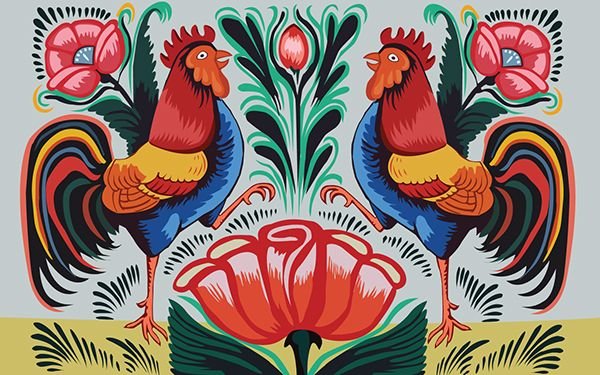

Rickshaw Art Festival 2026: Celebrating Bangladesh’s Colourful Heritage
Rickshaw art is one of the most dynamic and recognisable expressions of visual culture in Bangladesh. Known for its vibrant colours and bold imagery, this art form has long been part of the nation’s identity. Artists and cultural institutions came together to celebrate this tradition with the Rickshaw Art Festival 2026, a festival that highlighted the creativity, history, and ongoing relevance of rickshaw art in contemporary Bangladesh.
Hosted by North South University and organised jointly with Awake Coffee Roasters and Shei Dhaka, the festival opened on January 28 and ran through January 31, inviting visitors to experience the rich tapestry of local visual traditions expressed through painted rickshaw panels, workshops, screenings, and discussions.
A Living Tradition on Wheels
Rickshaw art in Bangladesh is more than decoration more like a moving canvas that reflects the aspirations, stories, and visual imagination of the country. What began as practical ornamentation on a common mode of transport evolved into a distinct folk art form that blends tradition and contemporary culture. Whether portraying flowers, birds, film stars, rural scenes, or symbolic motifs, rickshaw art has long helped define a uniquely Bangladeshi visual language.
Rickshaws and rickshaw paintings were officially recognised by UNESCO as an Intangible Cultural Heritage of Humanity, underscoring their cultural importance and cementing their place as a living heritage that connects past and present.
A Feast of Colour and Culture
Housed in the halls and open spaces of North South University, the Rickshaw Art Festival 2026 was structured to appeal to diverse audiences — from students and art lovers to families and international visitors.
Art Exhibitions on Steel Panels
A central feature of the festival was an exhibition of rickshaw art painted on steel rickshaw backs, staying true to the original medium. Instead of canvas or paper, these works showcased the bright, saturated colours and intricate patterns that characterise the art form. Bold reds, yellows, greens, and blues dominated the space, creating a sense of walking through a gallery that pulsed with energy.
The subjects of these works ranged widely from portraits of classic film stars and native birds and flowers to fantasy characters and global pop culture icons like Michael Jackson, Harry Potter, and characters from modern TV series such as “Sherlock Holmes” and “Stranger Things.” This blending of global imagery with local artistic sensibilities demonstrated how rickshaw art continues to evolve while maintaining a strong sense of identity.
Celebrated Artists and Cultural Figures
According to media, the festival featured works by renowned artists such as Mohammad Hanif Pappu, Dilip Kumar, Syed Ahmad Hossain, Rafiqul Islam, and Monir Hossain (Monir). These artists represent the living lineage of rickshaw painting each carrying forward techniques and motifs that have been passed down through generations.
The inauguration was graced by notable cultural figures, including photojournalist Shahidul Alam, cultural advisor Mostofa Sarwar Farooki, an embassy representative, and Dr Abdul Hannan Chowdhury, Vice-Chancellor of North South University. Their presence highlighted the festival’s importance not only as an art exhibition but also as a cultural celebration recognised at national levels of leadership and education.
Bridging Visual Art and Film
The Rickshaw Art Festival 2026 offered more than static paintings. It also featured a cinematic showcase of modern Bengali classics, including films such as “Aynabaji”, “Monpura”, and “Rickshaw Girl”.
These screenings underscored how visual art and storytelling intersect in Bangladeshi culture. Many filmmakers have drawn on the visual lexicon of rickshaw art, while rich narrative traditions are mirrored in the dramatic compositions seen on rickshaw panels. By pairing art with cinema, the festival emphasised a broader understanding of cultural expression, one that transcends individual mediums to reflect shared historical and aesthetic values.
Education and Workshops: Passing the Torch
One of the festival’s core objectives was to educate and engage younger generations. University students participated in training sessions focused on traditional painting techniques, and schoolchildren were invited to learn how to paint live during scheduled sessions.
These interactive elements supported the idea that art must be lived and experienced not merely observed. They also ensured that the skills, stories, and cultural knowledge embedded in rickshaw painting continue to be carried forward beyond the festival.
Preserving Heritage in a Changing World
Cultural festivals such as this do more than display art; they create spaces for important conversations. A panel discussion titled “How Can We Preserve & Promote Rickshaw & Cinema Art Globally? A Heritage at Risk of Fading” was scheduled for January 31, stated in a report by Daily Star.
Participants included representatives from UNESCO and leading cultural institutions. The discussion aimed at exploring strategies for sustaining interest in rickshaw art and related cultural traditions, especially as globalisation and modernisation reshape artistic practices around the world.
The Larger Cultural Context
Bangladesh’s rickshaw art tradition is significant not only for its artistic value but also for its place in the country’s collective identity. As UNESCO recognises this form as intangible cultural heritage, it joins other Bangladeshi traditions that have received international acknowledgement, such as jamdani weaving, baul music, and Mangal Shobhajatra.
The slow movement of rickshaws through busy streets once served a practical purpose, but it also provided a mobile gallery, a means of sharing stories and visual narratives with everyday passersby. From historical motifs to colourful depictions of rural life, the imagery became a living archive of evolving cultural values.
At times, critics and cultural observers have noted that aspects of traditional rickshaw art appear to be changing as new forms of transport and media emerge. Still, events like the Rickshaw Art Festival emphasise that this creative heritage continues to resonate, adapt, and find relevance with new generations.
A Festival That Matters
More than an art exhibition, the Rickshaw Art Festival 2026 served as a cultural platform that connected heritage with contemporary audiences. By combining painting displays, film screenings, workshops, and intellectual dialogue, it offered a multi-dimensional view of Bangladeshi visual culture.
It reminded visitors that traditional artistic forms are not static relics of the past but dynamic practices that evolve while preserving core values. The festival encouraged people, especially the youth to value and protect a tradition that is uniquely Bangladeshi and globally acknowledged for its creativity and cultural depth.
In a Nutshell
The Rickshaw Art Festival 2026 illustrated how a distinct visual language rooted in everyday life can become a source of national pride and artistic inspiration. Through bold colours, storytelling imagery, and cultural celebration, the festival showcased the enduring spirit of rickshaw art, a heritage that continues to shape Bangladesh’s cultural landscape.
As rickshaw art moves from the streets into galleries and global recognition, it serves as a reminder that cultural heritage is alive, adaptable, and worth celebrating for future generations.