



Public vs Private Education: The Enormous Gap in Bangladesh

Public vs Private Education: The Enormous Gap in Bangladesh
In bustling cities across Bangladesh, families increasingly find themselves navigating a stark choice: send their children to government schools that are free or relatively inexpensive, or pay for private schools that promise higher standards and modern facilities. This divide between public and private education has deepened over time, shaping learning outcomes, household finances, and the future prospects of urban youth.
As Bangladesh rapidly urbanises and demand for quality education rises, the gap between public and private schooling has become one of the most visible markers of educational inequality in the country’s cities. Understanding this gap, its roots, current dynamics, and potential solutions is crucial for parents, educators, policymakers, and students alike.
Understanding the Public and Private School Landscape
In Bangladesh, both public and private schools operate side by side in cities such as Dhaka, Chattogram, and Sylhet. Public schools are established, funded and managed by the government, offering tuition-free or very low-fee education aimed at providing universal access. Private schools, ranging from local private primary schools to English-medium international curriculum schools charge tuition and often promise more resources and opportunities.
However, rapid growth in private schooling has reshaped urban education. Private schools now account for a significant portion of enrolment, and their expansion has been driven by parental demand for quality learning environments and better outcomes than many public schools historically deliver.
Why Families Choose Private Schools
Perceived Quality and Resources
A major reason urban families opt for private education is the perception of higher instructional quality. Private schools often offer well-maintained classrooms, multimedia resources, extracurricular programmes, and in some cases, international curricula — features that are less common in public schools. Schools like Scholastica, Willes Little Flower, in Dhaka, for example, follow internationally recognised syllabuses and have well-developed campuses, making them attractive to families who can afford them.
Parents frequently report that private schools provide stricter academic routines, better attention to students, and more regular teacher accountability. In contrast, public schools in many urban areas while accessible may struggle with limited teaching materials, overcrowded classrooms, and weaker facility support.
Language and Competitive Advantage
Many private schools also emphasise English-medium instruction, which many parents believe enhances future opportunities in globalised higher education and job markets. English proficiency is often viewed as an added advantage compared to predominantly Bengali-medium public school instruction, although quality varies within both sectors.
Private schooling is seen by some parents as a way to position their children for competitive examinations, career opportunities, or international study paths, reinforcing demand for tuition-based education.
Challenges Within Public Schools
Public education in urban Bangladesh faces persistent challenges, even as the state continues to prioritise universal access:
Funding and Teacher Quality
Government schools historically receive limited funding compared with the breadth of demand placed on them. Insufficient public investment can lead to suboptimal infrastructure, outdated textbooks, and fewer opportunities for teachers to access professional development.
The quality of teacher training and support directly affects learning outcomes: private schools often provide better professional development opportunities because of tuition revenues, while public schools struggle to offer competitive salaries or continuous teacher support.
Infrastructure and Learning Environment
Public school students in urban areas often attend institutions with older facilities, fewer laboratories and limited access to digital learning tools. This can affect students’ engagement and readiness for modern careers in technology, science and mathematics. Even with urban proximity, resource constraints can slow progress toward quality.
Financial Burden on Families
Cost of Private Education
Affording private education is increasingly expensive for urban families. Tuition fees, books, uniforms, transportation, and extra coaching add up quickly. A recent analysis highlights that household education expenses continue to rise because many parents feel compelled to opt for private schooling to secure quality education even if it stretches family budgets.
For lower-income families or those living in dense urban settlements, education costs can become a major financial strain. Such expenses marginalise families who cannot afford private tuition, widening socio-economic disparities in educational access.
The Public School Option
Government schools remain tuition-free or low-fee, but the limitations in quality and infrastructure mean that many families still prefer private options despite the cost. This situation creates a paradox: the very system meant to provide equitable access is often under-resourced, while more expensive alternatives expand access only to those who can pay.
Measuring Learning Outcomes
Empirical studies and education reports suggest that despite rapid enrolment growth, learning outcomes in public schools are mixed. National and international assessments indicate that many students struggle to master foundational literacy and numeracy skills, a gap that private schools may be better positioned to address with targeted teaching practices and additional resources.
However, an important nuance is that not all private institutions outperform public ones. Quality varies widely depending on management, teacher quality, curriculum choices, and oversight and some private institutions operate with minimal regulation, creating concerns about standardisation and outcome consistency.
Equity and Policy Implications
Access vs. Quality
The educational divide in urban Bangladesh raises broader questions about equity and the role of the state in guaranteeing quality education for all. While families with greater resources can choose tuition-based schools, others must rely on public schools that may lag in certain dimensions.
Global development goals emphasise free, quality primary and secondary education, but when public institutions lack adequate financing and private options become dominant due to perception of quality, equality of opportunity is compromised.
Teacher Professionalism and Support
Improving teacher training both in content knowledge and pedagogical methods remains a widely cited policy recommendation to strengthen public education and close the divide. Professional development, fair compensation, and performance incentives would improve public school outcomes and help attract motivated educators.
Regulatory and Oversight Mechanisms
Stronger oversight of private schools, including registration, standardised curricula and accountability to education authorities can help ensure quality across both public and private sectors. There are existing concerns about private institutions that operate informally or deregulated, complicating efforts to measure and assure outcomes.
Parental Engagement and School Choice
Another dimension of the public-private gap is parental involvement. Families with children in private schools often participate actively in school communities, monitor progress, and engage with teachers. In contrast, public school parents may face cultural or informational barriers that limit engagement with teachers and school leadership, reducing the extent of parent-school collaboration that can support student learning.
Complementary Approaches: Bridging the Divide
Public-Private Partnerships
Collaborative models where government and private sectors share resources and expertise are increasingly discussed as strategies to bridge gaps. Joint teacher training programmes, shared infrastructure, and curriculum support initiatives can expand quality education without excluding under-served families.
Community and NGO Engagement
Non-government organisations and community groups play a role in supporting urban public schools with supplementary tutoring, digital literacy programmes, and additional resources for students. Strengthening these linkages helps supplement state efforts and enrich learning environments.
Technology and Digital Learning
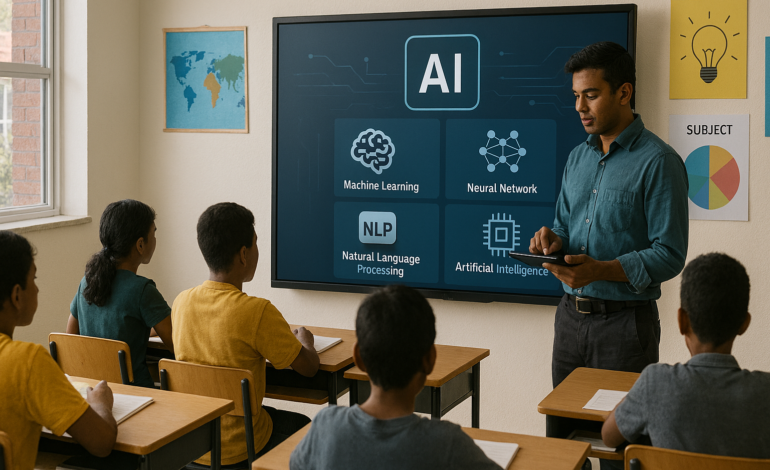
Digital learning platforms and blended instruction can help address teacher shortages and resource gaps in public schools. With appropriate infrastructure and connectivity, technology can bring high-quality educational content to a wider range of learners.
Toward Balanced and Inclusive Urban Education
The widening gap between public and private education in urban Bangladesh reflects both economic and systemic pressures on the country’s education landscape. While private schools have expanded rapidly and meet growing parental expectations for quality and outcomes, public schools continue to serve the majority of students, often with limited resources and support.
Addressing this divide requires balanced policy action, including investment in public education infrastructure, teacher development, regulatory standards for private institutions, and community engagement all aimed at ensuring that quality education is not determined by a family’s ability to pay. As Bangladesh pursues sustainable growth and social inclusion, strengthening its education system remains key to nurturing a skilled, literate, and equitable workforce for the future.