



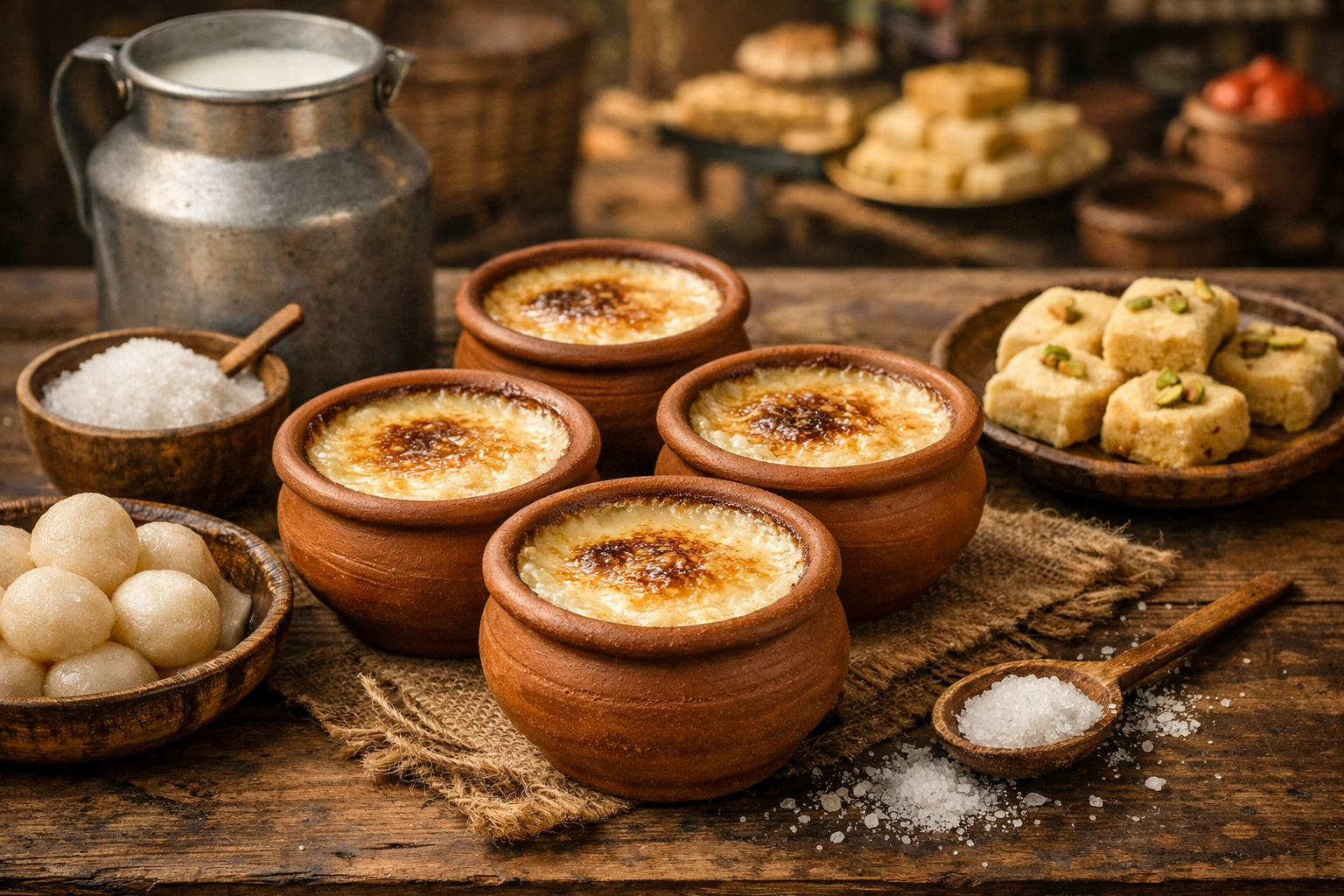
Prince of Wales Bakery: Dhaka’s 175-Year-Old Legacy
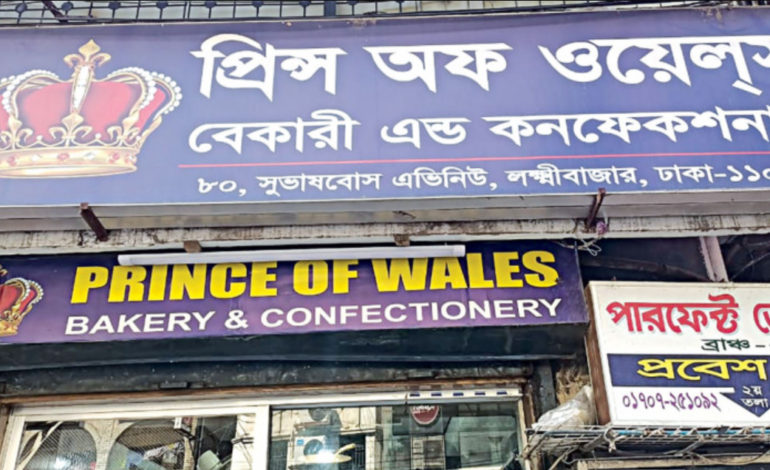

Prince of Wales Bakery: Preserving Old Dhaka’s 175-Year-Old Legacy
In the heart of Old Dhaka, where narrow streets are alive with history, aromas, and tradition, Prince of Wales Bakery has stood as a culinary landmark for over 175 years. Established during the British colonial era, this bakery is not merely a place to buy bread and sweets; it is a living testament to the city’s rich cultural heritage, blending colonial influence with local flavors that have delighted generations.
Despite the rapid modernization of Dhaka, the bakery has retained its original charm, making it a rare window into the past. Visitors and locals alike continue to flock to Prince of Wales Bakery, drawn not only by nostalgia but by the unmistakable taste that has survived centuries of social and culinary changes.
A Historical Landmark in Old Dhaka
Prince of Wales Bakery was founded in the mid-19th century, during a time when European culinary traditions were beginning to mix with local Bengali tastes. Its name reflects the colonial connection to the British monarchy, a common practice of the era, yet the bakery quickly became a household name for Dhaka residents of all backgrounds.
The bakery’s establishment coincided with the growth of Dhaka as a trade and administrative center, and it quickly gained a reputation for producing high-quality bread, pastries, and biscuits. Over the decades, it has witnessed political changes, wars, and the evolution of Dhaka from a colonial city to the bustling capital of an independent Bangladesh.
Signature Products That Stand the Test of Time
What sets Prince of Wales Bakery apart is its dedication to maintaining traditional recipes that have been passed down for generations. Their bread, often made in small batches, retains a texture and flavor that mass-produced varieties cannot match. Classic pastries and cookies continue to be prepared using age-old techniques, ensuring that each bite delivers the taste of history.
Items such as butter bread, sponge cakes, and fruit pastries remain favorites among customers, while seasonal specialties often bring back memories of festive occasions in Old Dhaka. The bakery has carefully preserved the balance between sweetness, richness, and freshness, a hallmark of its enduring reputation.
Maintaining Tradition Amid Modernisation
While Dhaka has experienced rapid urbanization and an influx of international bakery chains, Prince of Wales Bakery has stayed true to its roots. The interiors reflect a vintage aesthetic, with wooden counters, brass utensils, and old-fashioned ovens that still operate with traditional methods. This commitment to authenticity attracts not only local patrons but also tourists seeking an authentic glimpse of Dhaka’s culinary heritage.
At a time when many historical businesses have been replaced by modern franchises, the bakery’s resilience demonstrates the value of preserving cultural and culinary identity. It serves as a bridge between the past and present, allowing new generations to experience flavors that have remained largely unchanged for nearly two centuries.
Cultural Significance in Old Dhaka
Old Dhaka is renowned for its vibrant street life, historic mosques, temples, and heritage architecture. Within this landscape, Prince of Wales Bakery stands as a symbol of the city’s multicultural past. During colonial times, it was a meeting place for Europeans and local elites, offering a unique space where culinary exchange occurred alongside social interactions.
Even today, the bakery remains an integral part of community life. Residents of Old Dhaka often recount childhood memories of visiting the bakery with parents and grandparents, emphasizing the continuity of tradition. Its presence highlights how food can serve as a cultural anchor in rapidly changing urban environments.
Challenges of Preserving Heritage
Despite its historical significance, Prince of Wales Bakery faces challenges common to legacy businesses. Rising property prices, competition from modern bakeries, and changing consumer preferences require careful balancing. The bakery’s management has emphasised the importance of maintaining quality over mass production, often prioritising tradition even if it limits expansion.
Additionally, sourcing quality ingredients and adhering to artisanal baking methods demand higher costs and labor intensity. Yet, it is precisely this dedication to craft and authenticity that preserves the bakery’s unique identity and ensures its products remain unmatched.
Global Relevance of Culinary Heritage
Prince of Wales Bakery’s story is not unique to Dhaka. Across the world, cities are recognizing the importance of preserving culinary heritage as part of broader cultural tourism and heritage management initiatives. Historical bakeries serve as living museums, providing insights into local lifestyles, colonial influences, and societal changes over time.
In this global context, Prince of Wales Bakery represents Bangladesh’s ability to safeguard heritage while remaining relevant in a modern, interconnected world. Food tourism, cultural exchange, and heritage conservation are increasingly intertwined, and establishments like this bakery become key contributors to a country’s global cultural footprint.
Tourist Attraction and Media Recognition
In recent years, Prince of Wales Bakery has gained attention from travel writers, culinary bloggers, and heritage enthusiasts. Its reputation as a must-visit site in Old Dhaka has been featured in multiple media outlets highlighting Bangladesh’s rich culinary history. For foreign visitors, the bakery offers an opportunity to taste history while understanding the city’s layered cultural identity.
Guided tours often include a visit to the bakery, allowing tourists to sample traditional pastries and interact with the staff who continue the age-old baking techniques. Such experiences enhance cultural understanding and contribute to the preservation of traditional businesses.
Future Prospects and Preservation Efforts
Ensuring the longevity of Prince of Wales Bakery requires more than customer loyalty; it demands recognition from cultural preservation authorities and support from heritage conservation programs. Partnerships with tourism boards, media coverage, and community initiatives can help highlight the bakery’s historical importance while ensuring its financial sustainability.
Educating younger bakers in traditional methods, documenting recipes, and promoting culinary workshops can further safeguard this legacy. In doing so, Prince of Wales Bakery can continue to serve as both a culinary landmark and a symbol of Dhaka’s enduring historical identity.
Conclusion
Prince of Wales Bakery is more than a bakery; it is a living testament to the resilience of culture and tradition in Old Dhaka. For 175 years, it has delighted generations with its bread, pastries, and cookies, preserving techniques that reflect both colonial heritage and local ingenuity. Its story is a reminder that food is a powerful medium for cultural continuity, connecting past, present, and future.
As Bangladesh continues to modernize, establishments like Prince of Wales Bakery offer a model of how historical businesses can survive, adapt, and maintain relevance in a globalized world. By honoring this heritage, Bangladesh not only celebrates its culinary achievements but also strengthens its cultural identity for future generations.