




New EPZ in Brahmanbaria’s Kasba: A Game-Changer for Industry and Employment in Bangladesh
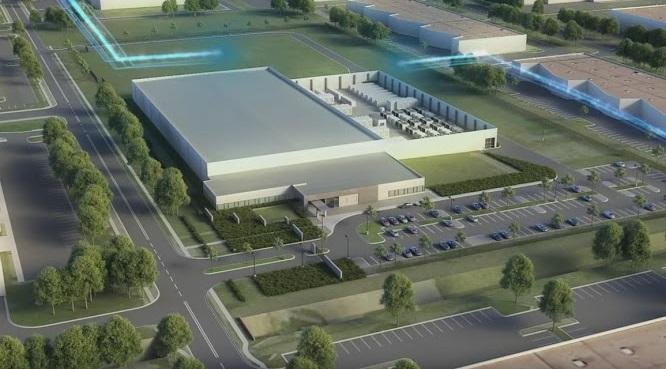
The government of Bangladesh has taken a significant step toward expanding its industrial base by initiating plans to establish a new Export Processing Zone (EPZ) in Kasba upazila of Brahmanbaria. This move is expected to boost economic activity, attract foreign investment, and create thousands of jobs in the region.
At a time when Bangladesh is aiming to diversify its industrial growth beyond traditional hubs like Dhaka and Chattogram, the proposed EPZ represents a strategic shift toward regional development. If implemented effectively, it could transform Brahmanbaria into a key industrial corridor.
What Is the Proposed EPZ Project?
The planned Export Processing Zone will be located in the Tin Lakh Pir area under Binauti union in Kasba upazila. The initiative has already received approval from the Bangladesh Export Processing Zones Authority, the government body responsible for managing EPZs across the country.
The proposal was formally submitted on 24 March 2026 and has since been accepted, with authorities indicating that further steps will be taken in accordance with established procedures.
EPZs are specially designated industrial areas where both local and foreign investors can set up export-oriented industries with various incentives, including tax benefits, infrastructure support, and simplified regulations.
Why Kasba and Brahmanbaria?
The selection of Kasba Upazila as the site for the new EPZ is a reflection of strategic planning. Brahmanbaria is located near major trade routes and has proximity to key industrial zones and ports.
Its location offers several advantages. First, it provides relatively easy access to Chattogram Port, the country’s main maritime gateway. Second, it is close to the capital, Dhaka, making logistics and connectivity more efficient. Finally, the availability of land in semi-rural areas like Kasba makes large-scale industrial development more feasible.
The region has historically been less industrialized compared to other parts of Bangladesh. Establishing an EPZ here could help balance regional economic disparities and bring new opportunities to underserved communities.
Economic Impact: A New Growth Engine
The establishment of an EPZ typically acts as a powerful economic catalyst. In the case of Brahmanbaria, the impact could be transformative.
Firstly, the project is expected to attract both domestic and foreign investment. EPZs in Bangladesh have historically been successful in drawing international companies, particularly in sectors like garments, electronics, and light manufacturing.
Secondly, the EPZ will significantly boost export earnings. Industries set up within the zone will primarily focus on export-oriented production, contributing to Bangladesh’s foreign exchange reserves.
Moreover, the development of the EPZ will stimulate related sectors such as transportation, logistics, and services. Local businesses, including small enterprises, are likely to benefit from increased demand for goods and services.
Employment Opportunities and Social Impact
One of the most significant benefits of the new EPZ will be job creation. Thousands of direct and indirect employment opportunities are expected to emerge once the zone becomes operational.
For local residents, this means access to stable income sources without having to migrate to major cities. Young people in Brahmanbaria and nearby districts will have the opportunity to work in industrial sectors, gaining skills and experience.
The social impact could be equally important. Increased employment often leads to improved living standards, better access to education, and enhanced healthcare facilities. Over time, the region could witness a significant improvement in overall quality of life.
Role of BEPZA and Industrial Policy
The Bangladesh Export Processing Zones Authority will play a central role in developing and managing the new EPZ. BEPZA has a proven track record of operating several successful EPZs across the country, including those in Dhaka, Chattogram, and Cumilla.
These zones have contributed significantly to Bangladesh’s industrial growth by providing a business-friendly environment for investors. With streamlined administrative processes, reliable infrastructure, and policy support, BEPZA ensures that EPZs remain competitive on a global scale.
The Brahmanbaria EPZ is expected to follow a similar model, offering incentives that make it attractive for both local and international investors.
Challenges and Considerations
Despite its potential, the project will need to address several challenges to succeed. Infrastructure development is one of the most critical factors. Roads, electricity supply, water resources, and communication networks must be upgraded to support industrial operations.
Land acquisition can also be a sensitive issue. Ensuring fair compensation and minimizing displacement will be essential to avoid social conflict.
Environmental concerns must also be taken into account. Industrial activities can have significant ecological impacts, and proper planning will be necessary to ensure sustainable development.
Finally, maintaining transparency and efficiency in project implementation will be key. Delays or mismanagement could undermine the benefits of the initiative.
A Step Toward Balanced Regional Development
The proposed EPZ in Kasba reflects a broader shift in Bangladesh’s development strategy. Instead of concentrating industries in a few major cities, the government is now focusing on spreading economic activity across different regions.
This approach has multiple benefits. It reduces pressure on overcrowded urban centers, promotes equitable growth, and creates opportunities in rural and semi-urban areas.
For Brahmanbaria, the EPZ could mark the beginning of a new economic era. The district, which has traditionally relied on agriculture and small-scale businesses, may soon emerge as an industrial hub.
Future Prospects
If implemented successfully, the Brahmanbaria EPZ could pave the way for further industrial expansion in the region. It may attract additional investments in infrastructure, education, and technology, creating a comprehensive ecosystem for growth.
The project could also serve as a model for similar initiatives in other parts of Bangladesh. By demonstrating the benefits of decentralized industrial development, it could encourage policymakers to replicate the approach elsewhere.
In a Nutshell
The government’s initiative to establish a new EPZ in Kasba Upazila is a forward-looking step that has the potential to reshape the economic landscape of the region.
By attracting investment, creating jobs, and boosting exports, the project could deliver long-term benefits not only for Brahmanbaria but for Bangladesh as a whole. However, its success will depend on effective implementation, strong infrastructure, and sustainable planning.
As Bangladesh continues its journey toward becoming a middle-income country, initiatives like this will play a crucial role in driving inclusive and balanced growth.