

Mushfiqur Rahim Stranded in Saudi: Middle East War Disrupts Travel and Impacts Migrants Worldwide

Mushfiqur Rahim Stranded Abroad: Middle East War Disrupts Travel and Impacts Migrants Worldwide
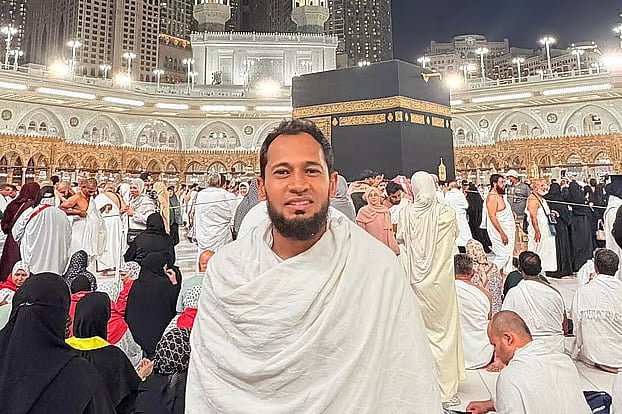
The sudden escalation of tensions between Iran-Israel-USA in the Middle East has begun to affect not only geopolitics and international travel but also the lives of ordinary people including athletes and migrant workers. One such case involves Bangladeshi cricketer Mushfiqur Rahim, who recently found himself stranded in Saudi Arabia after performing Umrah due to flight disruptions caused by the ongoing conflict in the region.
This incident highlights how rapidly changing security conditions and airspace closures can ripple across global travel networks, affecting thousands of passengers, including millions of migrant workers and pilgrims from South Asia.
Mushfiqur Rahim’s Travel Disruption After Umrah
Bangladesh’s veteran wicketkeeper-batsman Mushfiqur Rahim travelled to Saudi Arabia to perform Umrah, a pilgrimage undertaken by Muslims throughout the year. However, his return journey to Bangladesh was unexpectedly disrupted due to rising tensions and a war-like situation in the Middle East.
According to reports, Rahim was scheduled to return home via Dubai on an Emirates flight. But after the flight took off from Jeddah, it was forced to return due to security concerns linked to the escalating conflict involving Israel, Iran, and the United States.
As a result, Mushfiqur and thousands of other passengers have been stuck at Jeddah airport, waiting for flights to resume or alternative travel arrangements to be made.
In a social media message, the cricketer explained his situation and asked for prayers from fans and well-wishers. His experience quickly drew public attention in Bangladesh, not only because of his status as a national sports icon but also because it mirrored the plight of many Bangladeshi travelers facing similar uncertainties.
Suspension of Flights Across the Region
The situation escalated quickly as airlines began suspending flights to Middle Eastern destinations. Bangladesh’s national carrier, Biman Bangladesh Airlines, halted services to the region due to safety concerns.
At the same time, major international airlines such as Emirates and Qatar Airways adjusted their routes or cancelled flights entirely. Several countries, including Jordan, Iraq, and Lebanon, also temporarily closed their airspace amid fears of missile attacks and regional escalation.
These measures demonstrate how conflicts in strategically important regions can disrupt global aviation networks almost instantly. The Middle East acts as a major transit hub connecting Asia, Europe, and Africa, meaning disruptions there affect passengers worldwide.
Impact of the War on Migrant Workers and Immigrants
Beyond stranded travelers and tourists, the war has serious implications for migrant workers and immigrants, particularly those from South Asia. Millions of Bangladeshis live and work in Middle Eastern countries such as Saudi Arabia, the United Arab Emirates, and Qatar.
When conflicts erupt in this region, they create uncertainty for these communities. Travel restrictions, suspended flights, and security risks can prevent workers from returning home during emergencies or family crises. At the same time, migrant workers planning to travel abroad for employment may face delays or cancellations.
In addition, many immigrants rely heavily on international travel routes through Gulf countries. If these routes become unstable, it affects not only workers but also students, pilgrims, and expatriate families.
For Bangladeshi migrant communities, the situation is particularly significant because remittances from overseas workers are a major pillar of the country’s economy. Any prolonged disruption in travel or employment opportunities could have wider economic consequences.
A Reminder of the Global Nature of Conflict
The case of Mushfiqur Rahim demonstrates how conflicts far from home can still impact everyday lives. Sports stars, migrant workers, tourists, and business travelers all rely on stable international transport networks.
When airspace closures and travel bans occur, thousands of people are left in uncertain situations, often waiting for updates in airports or temporary accommodations. The psychological stress of such disruptions can be significant, especially when passengers are unsure about when they will be able to return home.
For migrants and immigrants living abroad, geopolitical tensions can also raise concerns about safety and stability in their host countries.
Bangladesh’s Connection to the Middle East
Bangladesh has long-standing economic, social, and religious ties with the Middle East. Every year, thousands of Bangladeshis travel to Saudi Arabia for Hajj and Umrah, while millions of others work in Gulf nations across various sectors.
Because of these connections, any crisis in the region quickly becomes a matter of concern in Bangladesh. The current situation has already drawn attention from the public and policymakers, as authorities monitor the safety of citizens abroad.
Airline suspensions and airspace closures may also affect upcoming travel plans for pilgrims and migrant workers.
The Role of Social Media in Crisis Awareness
Mushfiqur Rahim’s social media update played an important role in bringing attention to the issue. Within hours, news of his situation spread across Bangladesh, highlighting the broader travel disruptions affecting many passengers.
In modern crises, social media often acts as a real-time communication channel between travelers and the public. It allows people stranded abroad to share their experiences and seek support.
For governments and airlines, such updates also serve as reminders of the importance of transparent communication during emergencies.
What Happens Next for Stranded Travelers?
For passengers like Mushfiqur Rahim and thousands of others waiting at airports, the next steps depend largely on how quickly the geopolitical situation stabilizes. Airlines and aviation authorities typically resume flights only after confirming that routes are safe.
In the meantime, embassies and airlines often coordinate to assist stranded passengers with accommodation, alternative routes, or updated travel plans.
Bangladesh’s authorities are also expected to keep monitoring the situation and provide necessary support to citizens abroad.
A Larger Story Beyond Cricket
Although Mushfiqur Rahim’s situation gained attention because of his popularity, his experience reflects a broader global issue. Conflicts today rarely remain limited to specific regions; instead, they affect travel, migration, trade, and everyday life worldwide.
For millions of migrants and immigrants, such disruptions highlight the fragile nature of international mobility in times of crisis.
The incident also reminds people of the interconnected nature of the modern world—where a conflict in one region can quickly affect individuals thousands of miles away.
In a Nutshell
The story of Mushfiqur Rahim being stranded in Saudi Arabia offers a glimpse into the far-reaching consequences of geopolitical tensions. While the conflict in the Middle East is primarily a political and military issue, its effects are felt by travelers, migrant workers, and families across the globe.
For Bangladesh, the situation underscores the importance of monitoring the safety of citizens abroad and ensuring effective coordination with international airlines and governments.
As the world watches developments in the region, the hope remains that stability will return soon allowing stranded passengers to resume their journeys and migrant communities to continue their lives without uncertainty.