


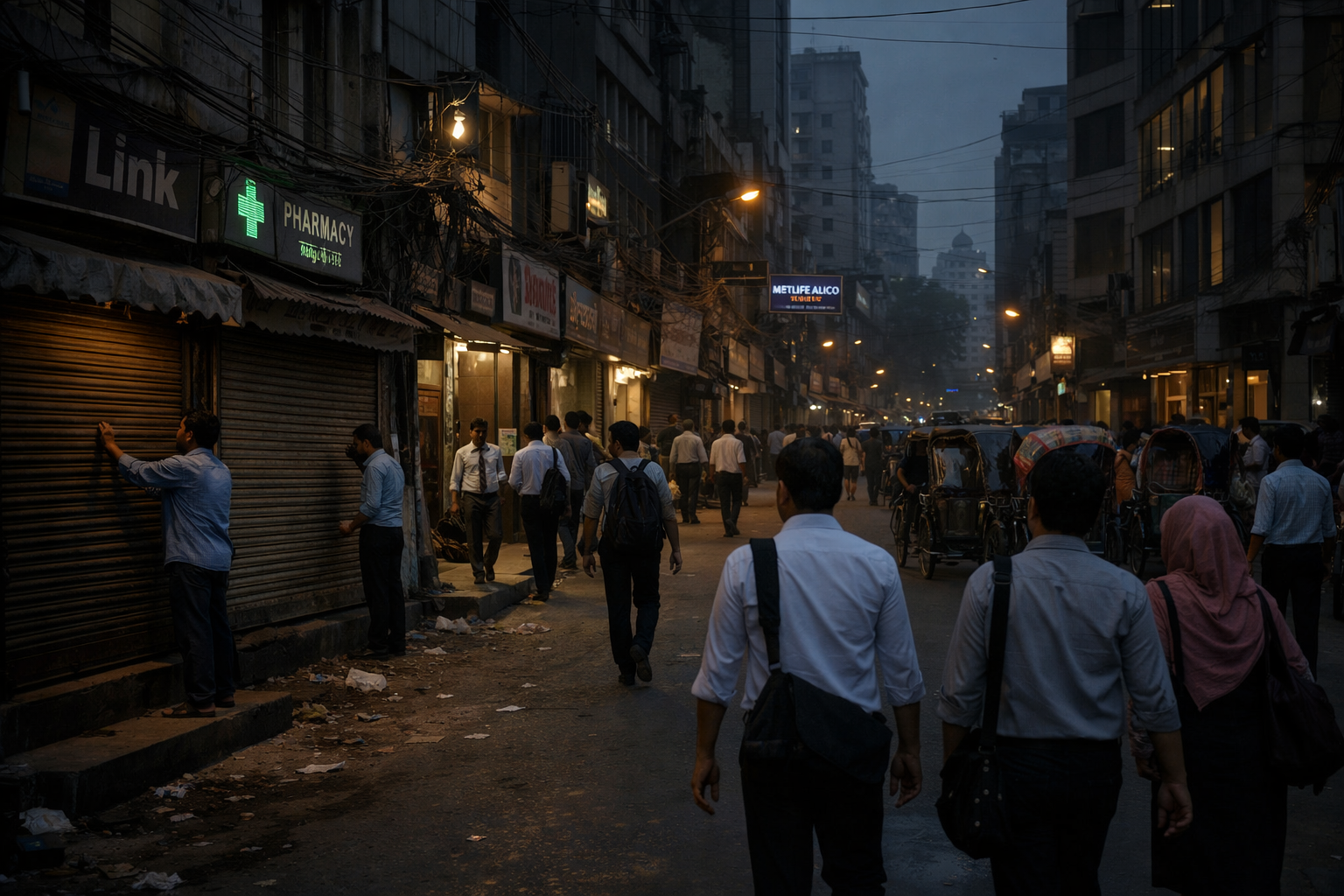

Moshar Machine: Bangladesh’s Promising Tech Solution to the Mosquito Menace
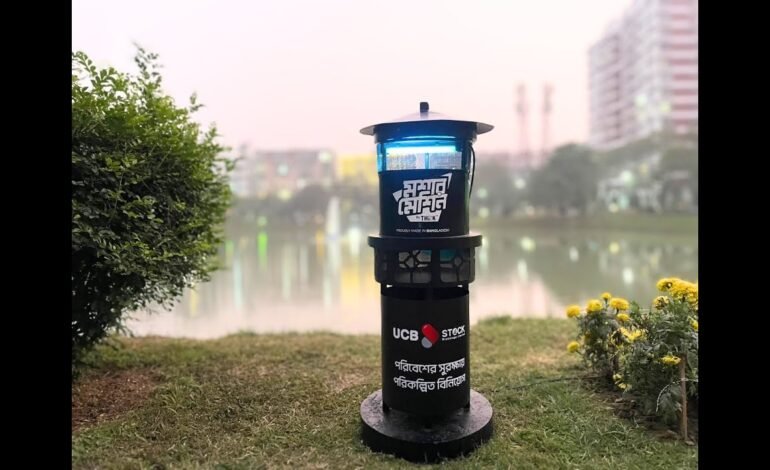

Moshar Machine: Bangladesh’s Promising Tech Solution to the Mosquito Menace
As mosquito‑borne diseases such as dengue, malaria, and chikungunya continue to challenge public health in Bangladesh, a homegrown technological innovation is offering a new way to control mosquito populations. The “Moshar Machine”, developed by a Bangladeshi research team led by entrepreneur Ashiqur Tanim, has gained attention as a low‑cost, eco‑friendly device capable of trapping and killing large numbers of mosquitoes. This breakthrough could play an important role in urban and rural mosquito control strategies.
With mosquito infestations increasing in many parts of the country, especially during monsoon and post‑monsoon seasons, solutions that work efficiently and safely are urgently needed. Traditional methods like chemical sprays, coils, and fogging have limitations including health and environmental concerns that make alternative technologies like the Moshar Machine especially relevant.
A Home‑Grown Answer to a Persistent Problem
The Moshar Machine is the result of years of research and development by THiNK LABs, a Dhaka‑based innovation lab founded by Ashiqur Tanim, an Australian‑educated entrepreneur. Upon returning to Bangladesh in 2019, Tanim set out to apply high‑tech engineering solutions to everyday challenges, including the mosquito menace that affects millions of people each year.
What sets the Moshar Machine apart from conventional mosquito traps is how it mimics human presence to attract mosquitoes. Female mosquitoes the ones responsible for biting and transmitting diseases are drawn to carbon dioxide released as humans breathe. Instead of relying on chemical fuels or refills like many commercial CO₂ traps, the Moshar Machine uses a photocatalytic process that triggers reactions in the air to release trace amounts of carbon dioxide. This makes it both fuel‑free and environmentally friendly.
Once mosquitoes approach the device, a fan draws them in and traps them in an internal cage where they die from dehydration within a few hours.
How the Moshar Machine Works
The device uses a blend of light, airflow and chemical interaction to lure mosquitoes:
- Photocatalysis: A specific wavelength of light interacts with a special coating inside the machine, initiating a chemical reaction that produces trace carbon dioxide, replicating human breath.
- Attraction and Capture: Female mosquitoes are drawn to the carbon dioxide and light. Once they come close, a fan pulls them into a trapping chamber.
- Dehydration and Death: The captured mosquitoes are kept in an enclosed area where dry airflow accelerates dehydration, leading to death within two to three hours.
Experts have noted that unlike traps that burn propane or use harmful chemicals, the Moshar Machine’s technology avoids toxic emissions and environmental damage.
Eco‑Friendly and Safe by Design
One of the biggest advantages of the Moshar Machine is its eco‑friendly nature. By eliminating the need for propane or chemical attractants, the device minimizes both fuel costs and potential harm to humans, animals, or beneficial insects.
According to scientists involved in independent testing, the machine’s design significantly reduces the likelihood of inadvertently attracting beneficial insects like bees, which are essential for pollination.
The device’s metal outer body and sturdy build also make it suitable for outdoor use in public spaces such as parks, campuses, and residential neighborhoods, and simple maintenance like net‑cleaning ensures it continues functioning effectively.
While any insect trapping system might catch a very small number of non‑target species, the design prioritizes female mosquito attraction to reduce breeding populations without widespread ecosystem disruption.
Proven Effectiveness in Tests
To measure performance, entomologists including Professor Dr. Kabirul Bashar conducted efficacy trials. The results demonstrated that the Moshar Machine does more than simply attract mosquitoes it can significantly cut down mosquito populations in tested environments.
In these tests, the machine successfully captured eight different mosquito species, including species responsible for transmitting dengue, Zika, and malaria, such as Aedes albopictus and Anopheles minimus.
Dr. Bashar noted that the Moshar Machine was more effective and far cheaper than many foreign commercial mosquito traps, with the capacity to kill more than 3,000 mosquitoes in a single night in some settings. He emphasized that because the device attracts only female mosquitoes, it not only reduces biting nuisance but also curbs breeding cycles over time.
How It Differs from Traditional Methods
Bangladesh is no stranger to mosquito control efforts. City corporations and health authorities often engage in spraying larvicides, fogging operations, and public awareness campaigns. For example, targeted use of Bti larvicide has been part of municipal efforts to reduce mosquito larvae in breeding habitats.
However, many conventional approaches rely on chemical agents, which can pose health risks, require frequent application, and may be less effective long term. In contrast, the Moshar Machine offers a sustainable and continuous deterrent without chemical use.
Conventional solutions like mosquito coils, electric repellent devices, and aerosols are still widely used in homes, but they often provide only temporary relief and may emit harmful smoke or odors. A technology‑driven trap like the Moshar Machine provides a different paradigm by actively reducing mosquito populations rather than repelling them temporarily.
The Potential for Wider Deployment
Though individual units are already being purchased for personal use, Tanim and his team emphasize that the full potential of the device can only be realized when deployed at scale, particularly in high‑risk public spaces and mosquito breeding zones.
The company has the production capacity to manufacture thousands of units monthly, and partnerships with organizations such as Bangladesh Diesel Plant Limited could help scale manufacturing efforts of the metal casing and related components.
The Moshar Machine also holds promise for future enhancements. Tanim has suggested integrating anti‑theft systems and automatic monitoring to make the devices more suitable for widespread outdoor deployment in urban and rural areas.
Supporting Public Awareness and Community Action
In addition to the innovation itself, Think Labs has been involved in mosquito awareness campaigns, educating communities about mosquito‑borne diseases and prevention strategies. These efforts complement the technological solution by engaging schools, workplaces, and neighborhoods around effective control practices.
Community education is a key part of reducing mosquito breeding, as eliminating stagnant water and maintaining clean surroundings are proven methods for preventing mosquito proliferation.
Challenges and Future Directions
While the Moshar Machine shows strong promise, widespread adoption requires policy support, public‑private collaboration, and sustained awareness efforts. These include ensuring devices are placed strategically in mosquito hotspots, maintained properly, and integrated into broader public health strategies.
Investments in research and development could also lead to improved models with broader coverage, smarter monitoring, and integration with other vector control technologies.
Given the continued threat of mosquito‑borne illnesses in Bangladesh, innovations like the Moshar Machine offer new hope for long‑term, eco‑friendly control solutions that prioritize both health and sustainability.
Looking Ahead
The Moshar Machine represents a significant technological breakthrough in the battle against mosquito‑borne diseases in Bangladesh. Its eco‑friendly design, effectiveness in reducing mosquito populations, and potential for scalable deployment make it a compelling alternative to traditional control methods.
By harnessing science and local innovation, Bangladesh may be able to reduce the burden of diseases like dengue and malaria more sustainably offering healthier, more comfortable environments for residents across the country.
As public awareness grows and deployment expands, the Moshar Machine stands poised to become a key piece of the nation’s mosquito control strategy for years to come.